3 Reasons Why Acupuncture for TMJ is Best for Jaw Clenching
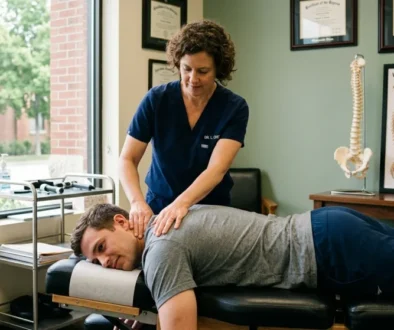
For severe, daily jaw clenching and muscle-based facial pain—choose acupuncture. For structural misalignment of the cervical spine or the jaw joint itself—choose chiropractic adjustments combined with soft tissue rehabilitation. Here is why: acupuncture targets the overactive masseter and temporalis muscles to interrupt pain signals and reduce inflammation at a neurological level, whereas chiropractic care addresses the mechanical alignment of the joint. The temporomandibular joint is one of the most complex, frequently used joints in your body, meaning any imbalance can lead to chronic headaches, ear pain, and a locked jaw. Fortunately, clinical evidence shows that inserting ultra-thin needles into precise anatomical points can break this cycle of dysfunction. If you are looking for a non-invasive, drug-free way to find relief from jaw tension and facial pain, professional acupuncture offers a highly effective pathway. At Cross-Up Chiropractic in Libertyville, IL, we combine these ancient techniques with modern biomechanical understanding to help you regain full, pain-free movement of your jaw.
Key Takeaways
- Acupuncture directly relaxes the masseter and temporalis muscles, addressing the deep muscular tension that drives TMJ pain.
- Stimulating specific acupuncture points triggers the release of endorphins and promotes local blood circulation to accelerate tissue healing.
- For optimal results, combining acupuncture with chiropractic care addresses both the muscular and structural aspects of jaw dysfunction.
- Most patients notice a significant reduction in jaw stiffness and clicking within four to six weekly treatment sessions.
- Choosing a licensed practitioner who understands the anatomy of the trigeminal nerve is essential for safe, effective, and targeted TMJ treatment.
Does Acupuncture Help TMJ Symptoms and Jaw Pain?

Acupuncture helps TMJ symptoms by directly targeting the neuromuscular pathways that control your jaw movement and pain perception. When you suffer from a temporomandibular joint disorder, the muscles surrounding your jaw—specifically the masseter, temporalis, and lateral pterygoids—become locked in a state of chronic spasm. According to the National Institute of Dental and Craniofacial Research, TMJ disorders affect over 10 million Americans, causing persistent pain that can easily radiate into the neck, head, and shoulders. Traditional medical treatments often rely on heavy pain medications or rigid dental splints, which only mask your symptoms without resolving the underlying muscle tension.
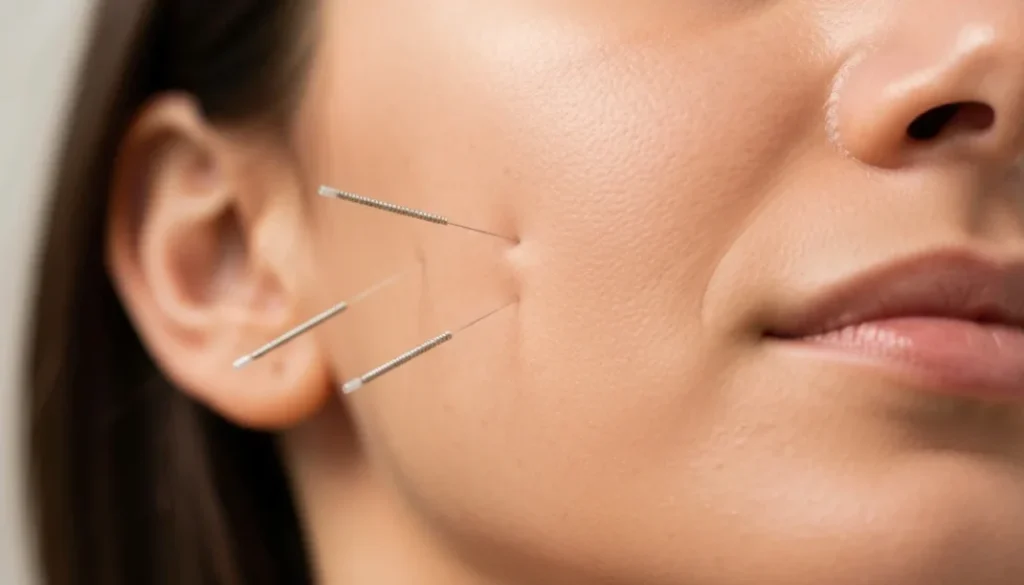
Acupuncture offers a physiological solution by inserting hair-thin, sterile needles into specific local and distal trigger points. This insertion creates a localized micro-trauma, which signals your brain to increase blood circulation and deliver fresh oxygen to the ischemic, tight jaw muscles. At the same time, your nervous system releases natural painkillers like endorphins and enkephalins. A clinical study published in the Journal of Oral Rehabilitation reported that a high percentage of patients experienced a significant reduction in TMJ pain intensity and improved jaw mobility after undergoing regular acupuncture therapy. By reducing the local inflammatory response and calming the hyperactive trigeminal nerve, acupuncture provides a deep, lasting physical release that manual stretching alone cannot achieve.
When these facial muscles finally relax, the pressure on the temporomandibular joint capsule decreases. This relieves the common clicking, popping, and locking sensations that make eating and speaking painful. Furthermore, releasing the tension in these muscles prevents the referral of pain to other areas. Many patients find that their chronic tension headaches, temple pressure, and even unexplained earaches disappear once their jaw muscles are properly balanced through targeted acupuncture sessions.
How Can Acupuncture Help TMJ Relief and Muscle Relaxation?

Acupuncture can help TMJ relief by addressing both the physical tension in your jaw and the systemic stress that triggers unconscious clenching. Many people do not realize that TMJ is heavily influenced by the autonomic nervous system. When you are stressed, your body enters a fight-or-flight state, causing you to clench your teeth, especially while sleeping. Acupuncture acts as a powerful reset button for your nervous system, shifting your body back into a parasympathetic, relaxed state where healing can occur.
During a session, we target local points around the ear and jaw, such as Stomach 7 (Xiaguan) and Stomach 6 (Jiache), which sit directly over the masseter muscle. We also use distal points, such as Large Intestine 4 (Hegu) on the hand, which is highly regarded in clinical practice for relieving pain in the face and head. Stimulating these points reduces the production of cortisol, the body’s primary stress hormone, while releasing tight myofascial bands. This dual-action approach not only stops the immediate pain but also addresses the emotional stress that causes jaw clenching in the first place.
For individuals seeking acupuncture near me, choosing a clinic that integrates this systemic approach can drastically improve your long-term outcome. By calming the overactive nervous system, you will wake up with a softer, more relaxed jaw and fewer tension headaches. Over time, this treatment retrains your body to maintain a relaxed jaw posture, preventing the return of chronic spasms and joint inflammation.
What to Expect During Your Jaw Pain Acupuncture Treatment
Your first acupuncture session for jaw pain begins with a detailed physical assessment of your jaw mobility, cervical posture, and pain history. Understanding your daily habits, such as grinding your teeth, chewing gum, or experiencing high stress levels, helps us customize the needle placement for your unique muscle patterns. Once we identify the primary source of your tension, you will lie down comfortably on a padded treatment table in a quiet room.
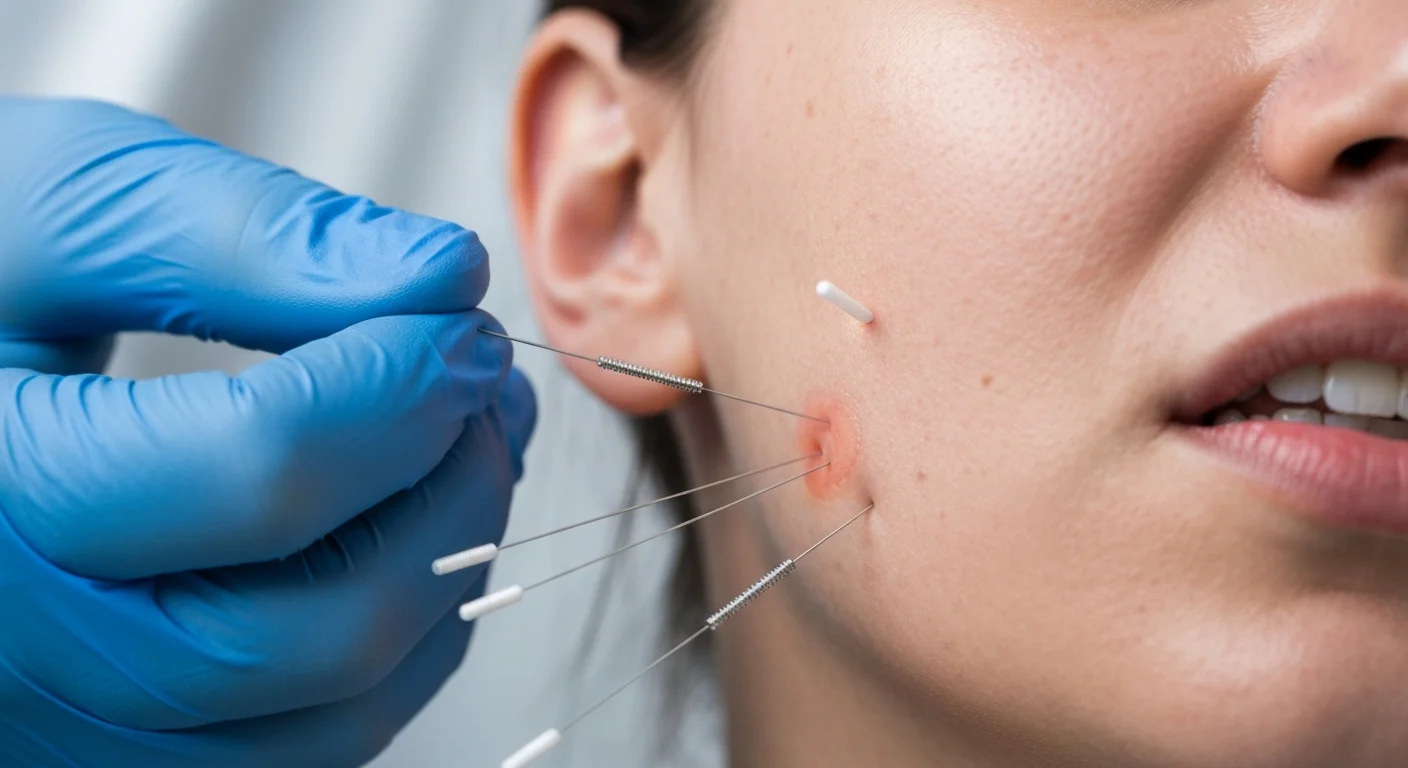
We use sterile, single-use needles that are incredibly thin—roughly the width of a single strand of human hair. You might feel a brief, mild sensation like a tiny pinch when the needles are inserted, followed by a dull, heavy, or warm sensation as the points are activated. Here is the typical step-by-step process of a treatment session:
- Preparation and Assessment: We gently palpate the masseter, temporalis, and neck muscles to locate active trigger points and assess joint movement.
- Needle Insertion: We insert ultra-fine needles into local facial points and supportive distal points on your hands, arms, or legs.
- Rest and Retention: You will rest quietly in a dimly lit, relaxing room for 20 to 30 minutes while the needles stimulate your nervous system.
- Optional Stimulation: In some cases, we may apply gentle manual manipulation or low-frequency electro-acupuncture to enhance muscle relaxation.
- Removal and Post-Care: The needles are quickly and painlessly removed, leaving no marks, and we discuss home care exercises to maintain your relief.
Most patients leave their session feeling a deep sense of total-body relaxation and an immediate lightness in their jaw. It is common to experience a wider, smoother range of motion when opening your mouth right after the treatment. Any mild muscle soreness that occurs after the session typically resolves within 24 hours, leaving behind significantly improved comfort.
Comparing TMJ Relief Options: Acupuncture vs. Chiropractor vs. Splints
Finding the right treatment path requires comparing how different therapies address the underlying causes of jaw dysfunction. While customized dental splints protect your teeth from night grinding, they do not actively relax the spastic muscles or realign the joint. Chiropractic adjustments, on the other hand, focus on restoring proper biomechanics to the neck and temporomandibular joint, which is highly beneficial since cervical spine issues often refer pain directly to the jaw. If you want to know more about this, explore how chiropractic care for jaw tension can address structural imbalances.
Acupuncture excels at releasing deep myofascial trigger points and regulating your nervous system’s pain response. Combining these therapies often yields the fastest and most permanent relief because it addresses both joint mechanics and muscle tension simultaneously. The table below outlines how these common TMJ treatments compare across key metrics:
| Treatment Method | Primary Mechanism of Action | Average Cost per Session | Best For |
|---|---|---|---|
| Acupuncture | Releases muscle trigger points, increases local blood flow, and reduces nervous system stress. | $80 – $160 | Muscular tension, stress-induced clenching, and acute facial pain. |
| Chiropractic Care | Realigns the jaw joint and cervical spine, improving overall structural biomechanics. | $70 – $130 | Joint clicking, limited jaw opening, and neck-related jaw pain. |
| Dental Splints / Night Guards | Provides a physical barrier to protect teeth from wear during sleep. | $300 – $1,000 (total cost) | Preventing tooth damage from severe nocturnal bruxism. |
| Physical Therapy | Strengthens postural muscles and stretches tight jaw tissues through active exercise. | $100 – $200 | Long-term rehabilitation and muscle imbalance correction. |
Using a combination of acupuncture to calm the muscles and chiropractic care to align the joint offers a comprehensive solution. This dual approach addresses both the muscular “software” and the skeletal “hardware” of your jaw, leading to faster recovery and less downtime.
How Many Acupuncture Sessions Are Needed for TMJ Relief?
The number of acupuncture sessions required for TMJ relief depends on the chronicity of your jaw pain and the severity of your daily symptoms. For acute jaw spasms triggered by a recent dental procedure or a brief period of intense stress, patients often experience significant relief in just two to three sessions. For chronic TMJ issues that have developed over several years, a structured treatment plan of six to ten sessions spaced over a few weeks is typically necessary to achieve lasting results.
An initial consultation and comprehensive treatment session generally ranges from $120 to $220, while follow-up sessions typically cost between $80 and $160. The Cochrane Database of Systematic Reviews highlights that while short-term relief is often immediate, cumulative treatments are necessary to retrain the muscles and create permanent changes in your pain pathways. We recommend starting with one to two sessions per week for the first three weeks, then gradually spacing out your visits as your jaw muscles learn to remain relaxed. Once we achieve your pain relief goals, many patients transition to a monthly maintenance session to prevent stress-related tension from returning.
Investing in a complete series of treatments ensures that the deep muscle fibers have time to fully heal and lengthen. Stopping treatment too early, as soon as the initial pain subsides, often allows the old, ingrained clenching habits to return. Commitment to the full plan is key to long-term success.
Common Professional Mistakes in Managing Jaw Disorders
A common professional mistake in managing jaw disorders is treating the jaw in complete isolation from the rest of the body. Many practitioners focus solely on the painful joint itself, ignoring how postural imbalances in the upper back, shoulders, and cervical spine directly affect jaw alignment. If you have a forward-head posture from looking at a computer screen all day, it pulls your mandible backward, putting constant strain on the temporomandibular joint. At Cross-Up Chiropractic, we always evaluate your entire spinal posture to ensure we are not just chasing the symptom of jaw pain while ignoring its true mechanical cause.
Another frequent error is relying entirely on passive treatments like mouthguards without addressing active muscular trigger points. While a mouthguard prevents your teeth from grinding down, it does not stop your jaw muscles from contracting violently throughout the night. If you do not actively release the masseter and temporalis muscles with acupuncture or manual therapy, you will continue to wake up with headaches and jaw fatigue. Avoid the mistake of waiting until your jaw completely locks or your teeth crack before seeking help. Proactive, combined care that addresses both joint alignment and muscular tension is the most reliable way to achieve permanent, pain-free jaw function.
Lastly, some patients are advised to undergo irreversible treatments, such as grinding down teeth or having jaw surgery, before trying conservative therapies. We strongly advocate for conservative, non-invasive therapies like acupuncture, chiropractic care, and physical therapy as your first line of defense. These methods carry virtually no risk and often resolve even the most severe TMJ cases without the need for invasive procedures.
FAQ
Can acupuncture cure TMJ permanently?
Acupuncture can provide long-lasting relief from TMJ symptoms by releasing deep muscle tension and reducing stress, but it is not a permanent cure if behavioral habits like chronic teeth clenching continue. Combining acupuncture with posture correction, chiropractic care, and stress management is the best way to maintain long-term, pain-free results.
How quickly does acupuncture work for jaw pain?
Many patients feel a noticeable reduction in jaw tightness and facial pain immediately after their very first session, while others require three to four treatments to see significant progress. The speed of your recovery depends on whether your pain is acute or a long-standing, chronic condition.
Is acupuncture safe for treating TMJ disorders?
Yes, acupuncture is highly safe when performed by a licensed, certified professional using sterile, single-use needles. Side effects are incredibly rare and typically limited to minor bruising or temporary muscle soreness at the insertion site.
Which acupuncture points are used for TMJ?
Practitioners primarily use local points on the face like Stomach 6 (over the masseter muscle) and Stomach 7 (near the joint capsule), along with distal points like Large Intestine 4 on the hand to relieve facial pain. Supportive points on the neck and scalp are also targeted to relieve associated tension headaches.
What should I avoid after a TMJ acupuncture session?
You should avoid eating hard, crunchy, or overly chewy foods for the first 24 hours to give your relaxed jaw muscles a chance to rest. It is also wise to avoid high-intensity workouts immediately after treatment and instead focus on staying hydrated and resting to support your body’s natural healing process.
When should I see a chiropractor instead of just getting acupuncture for TMJ?
You should see a chiropractor if your jaw pain is accompanied by neck stiffness, chronic headaches, joint clicking, or an uneven bite. Integrating both therapies ensures that the skeletal alignment of your neck and jaw is corrected alongside muscular relaxation.