
How Does Physical Therapy Help Arthritis
Arthritis can make your joints feel stiff and sore. Does physical therapy help arthritis? Physical therapy is a common way to help manage these symptoms and keep you moving more easily and with less pain.
What is Arthritis?
Arthritis is a term for a group of conditions that affect the joints, which are the places where two bones meet (like the knees, hips, hands, and spine). The inside of the joint changes over time, damaging the smooth cartilage that helps bones glide, or the joint lining, sometimes even the nearby bone and connective tissue.
Arthritis can affect just one joint or many joints, and it can range from mild inconvenience to almost constant noticeable pain, depending on the type. There are many forms of arthritis, with osteoarthritis and rheumatoid arthritis being the most common.
Common symptoms often include joint pain, stiffness, swelling, tenderness, and problems moving. There can also be some warmth or redness around the joint, especially when it hurts the most.
Common causes depend on the type. Osteoarthritis is usually caused by wear-and-tear changes in the joint over time, especially in older adults, while rheumatoid arthritis is an autoimmune condition in which the immune system attacks joint tissues. Other forms can be related to past injuries, genetics, infections, or even metabolic issues.
Can arthritis be cured? Most types of arthritis cannot be cured completely. The good news is that many treatments can make it much easier to live with. The best plan usually combines medical care with lifestyle changes, exercise, and other supportive therapies.
Can Physical Therapy Help Arthritis?
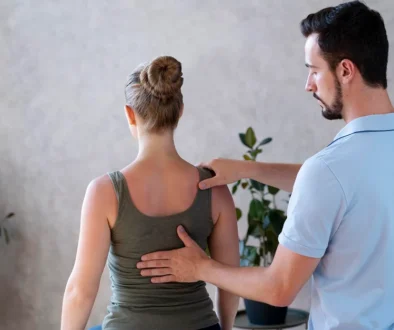
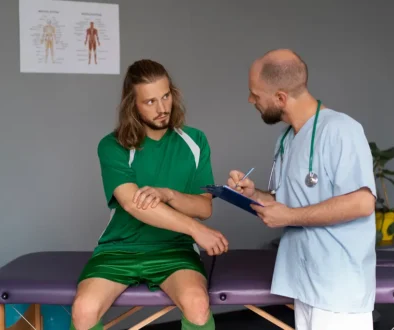
How does physical therapy help arthritis? Physical therapy can help many people with arthritis by making movement easier. The therapist looks at how you walk, how your joints move, and where you have problems with movement. They also check posture and the way you move, including your posture, how you sit, etc.
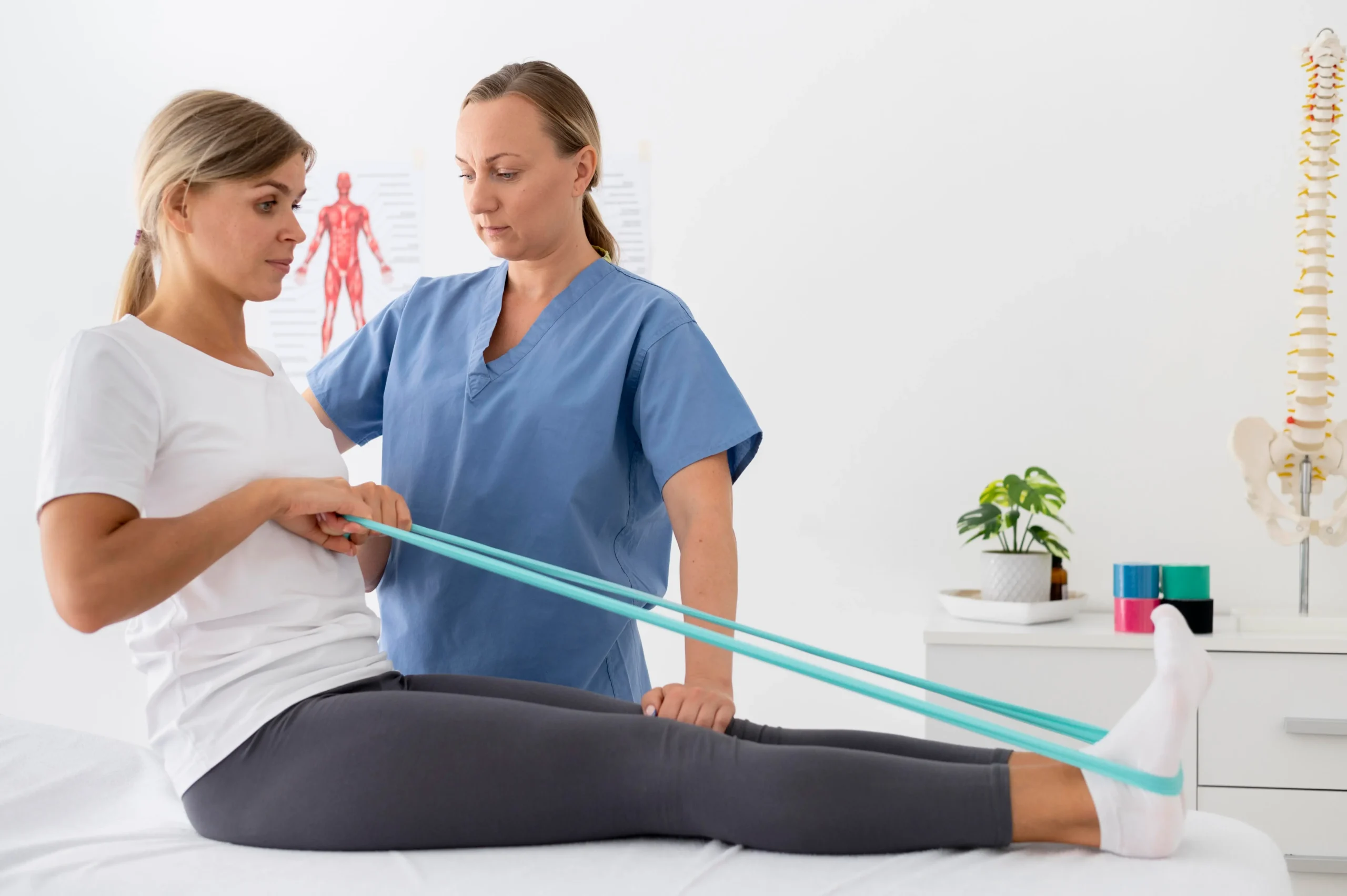
After that, you get a plan just for you. A big part of it is guided exercise. You’ll do stretches to keep joints from getting too stiff, plus strengthening work to support the joint with stronger muscles around it. The goal is not “hard workouts.”
Physical Therapy Techniques Used for Arthritis Relief
Physical therapy treatment for arthritis is a mix of hands-on care, movement, and practical training that’s picked based on your joints and your daily routine. The goal is to make movement easier, ease pain, and help you stay active with less pain.
Manual Therapy
Manual therapy is hands-on treatment that a physical therapist provides with their hands, not machines. It can include gentle joint movements, stretching, and soft-tissue work to relax stiff areas and help your joints move more easily. For arthritis, it’s often used to ease stiffness, calm sore tissues, and make exercises feel easier. It’s usually used in conjunction with strengthening and stretching.
Strengthening Exercises
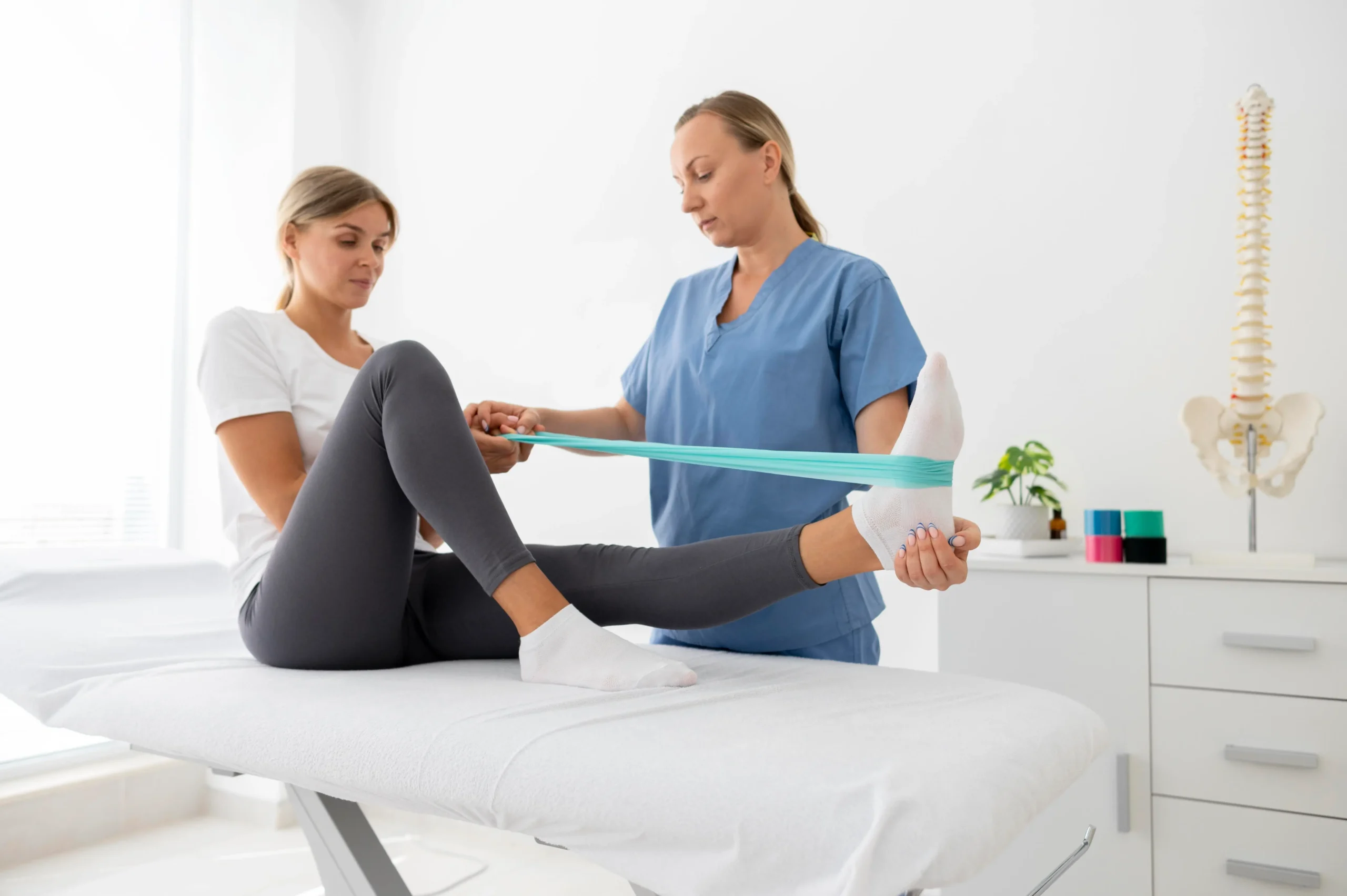
Strengthening exercises build up the muscles around an arthritic joint, so the joint doesn’t have to do all the work on its own. A physical therapist usually starts with safe, low-impact moves and slowly increases difficulty as you improve. These exercises can help with walking, stairs, getting up from a chair, and daily tasks with less pain.
Range-of-Motion & Flexibility Exercises
These exercises keep your joints moving. Arthritis can make you avoid certain movements, so proper exercise is very important. A physical therapist will advise you on gentle stretches and simple joint movements to help you bend, straighten, and rotate more comfortably. It’s like regularly opening and closing a door so it doesn’t start sticking. When done consistently, this can reduce stiffness and make everyday movements feel much more comfortable.
Aerobic & Low-Impact Training
Aerobic and low-impact physical therapy treatment for arthritis means getting your heart rate up without overstressing your joints. In physical therapy, this can include walking, cycling, swimming, or using an elliptical. These activities help arthritis by improving blood flow, easing stiffness, and building stamina so daily tasks feel easier. Such movements are less likely to irritate sore joints than running or jumping. A therapist can also help you find the right pace and time so you don’t overdo it.
Heat and Cold Therapy
Heat and cold therapy uses warm packs and ice packs to manage arthritis pain. Heat helps relax tight muscles and joints, so it’s often used before stretching or exercise. Cold helps reduce swelling and numb sore areas, which can make sharp pain feel less intense. A physical therapist may suggest when to use each one and for how long, so you feel better without making it worse.
Ultrasound or Electrical Stimulation (TENS)
These are clinic tools used to help manage arthritis. Therapeutic ultrasound sends sound waves into tissues to gently warm deeper areas, helping relax joints and muscles before movement. TENS uses small electrical pulses through sticky pads on the skin to block pain signals and relax tight muscles. It usually feels like a mild tingling. These treatments don’t “fix” arthritis, but they can make pain easier to handle.
Balance & Gait Training
Balance and gait training help you move better, especially if arthritis makes a joint feel weak. A physical therapist may work on how you step, how you shift your weight, and how you use your hips, knees, and ankles together. You might practice simple drills, like standing on one leg, stepping over small obstacles, etc. If you do it all correctly, it puts less strain on joints, easing pain during movement.
Benefits of Physical Therapy for Arthritis
- Less pain. Better movement and stronger muscles can take pressure off joints.
- More strength. Strong muscles “hold up” the joint so it doesn’t feel so stressed.
- Better walking. PT for arthritis helps you feel less pain when walking.
- Easier daily life. You practice how to properly do everyday things like using stairs, getting out of a chair, and carrying bags, so you feel less pain and don’t overstress the joints.
- Calmer pain episodes. Heat, ice, and other tools can help with swelling and soreness.
- Proper movement. You learn what’s safe, so you’re not scared to stay active.
- A clear home plan. You leave with exercises you can do on your own to keep improving between sessions.
Physical Therapy for Specific Types of Arthritis
Physical arthritis therapy isn’t the same for every type of arthritis. Different forms affect joints differently, so the treatment must match to be effective. So how does it work?
Physical Therapy for Knee Arthritis
Knee arthritis means the knee joint has changed over time, so it doesn’t work as smoothly as it should. Because the knee carries your weight, even small joint changes can make walking, stairs, or standing up harder. Arthritis physical therapy helps strengthen the muscles that support the knee (especially the thighs and hips), making it easier to more. A PT may also work on balance and the way you walk to teach you how to put less strain on joints.
Physical Therapy for Osteoarthritis
Osteoarthritis is a “wear-and-tear” type of arthritis where joint cartilage breaks down over time, so the joint doesn’t move as smoothly. Physical therapy helps by strengthening the muscles around the joint to reduce pressure, so you move better and with less pain, and teaches safer ways to move during daily tasks. A PT may also work on balance, posture, and walking habits.
Physical Therapy for Rheumatoid Arthritis
Rheumatoid arthritis is an autoimmune condition in which the immune system attacks the joint lining, causing inflammation and joint damage over time. Rheumatoid arthritis physical therapy helps by keeping joints moving without overloading them. A PT uses gentle motion work, light strengthening to protect joints, and practical tips for daily activities so you don’t strain painful areas.
What to Expect During Physical Therapy for Arthritis
Physical therapy for arthritis isn’t just a single fixed routine. The plan changes based on the type of arthritis you have, which joints are affected, and how your symptoms behave. Still, a lot of people come in for arthritis in the knees, hips, hands, and shoulders, since these are the most common. So the “typical” PT visit often looks similar to that.
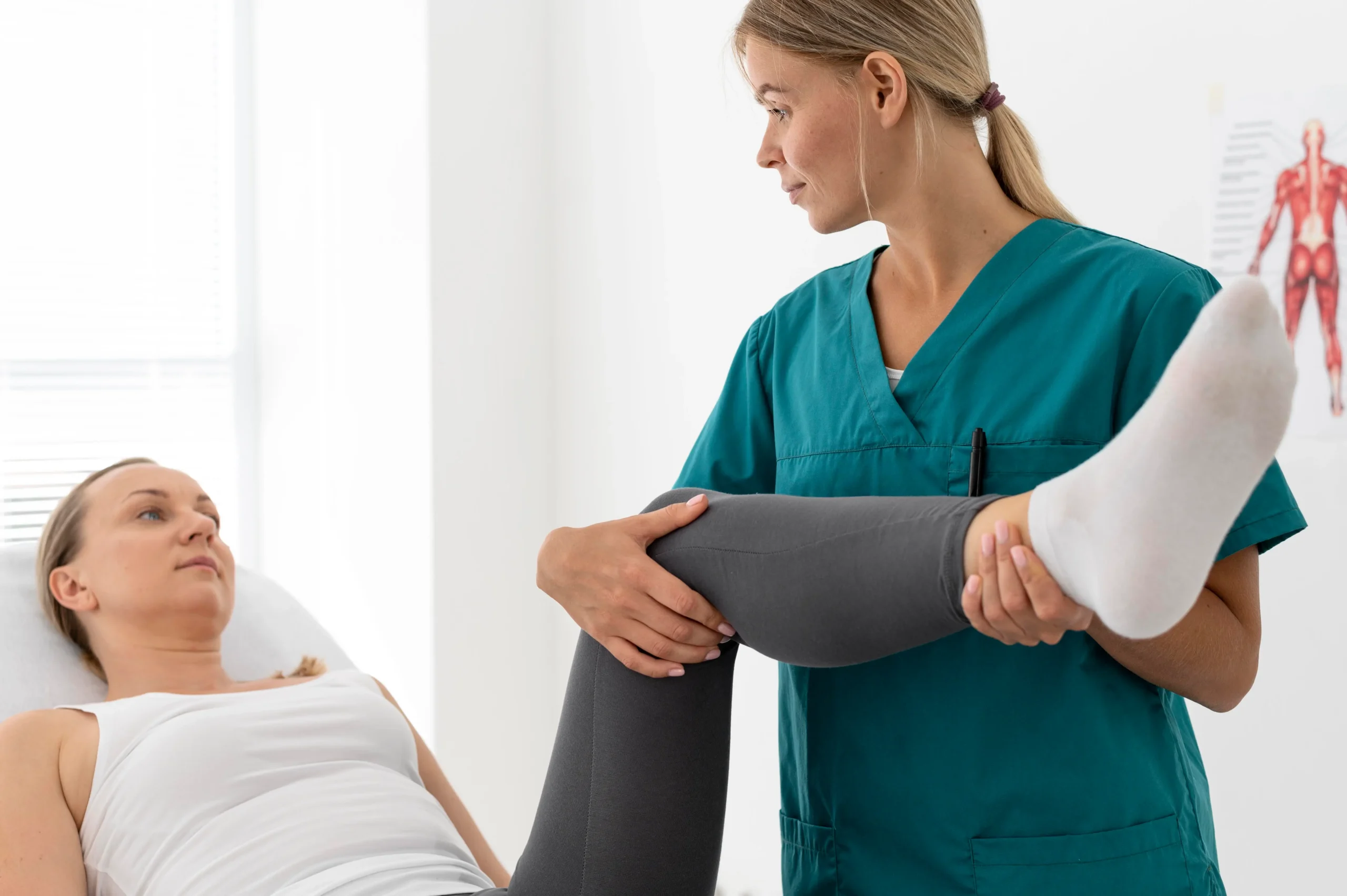
Your first appointment usually starts with a conversation and a check of how you move. The therapist may ask what’s hardest right now (stairs, walking, getting up from a chair, opening jars, reaching overhead, etc). Then they’ll look at the joint how well your joints move, check your strength, and how you walk.
After that, you’ll create a plan that may include gentle mobility work, joint-strengthening exercises, and low-impact conditioning. Many sessions also include hands-on care for stiff areas, plus options like heat, ice, TENS, or ultrasound to calm pain so exercise feels doable. You’ll also leave with practical tips on how to move, safely perform basic tasks, what activities to avoid for the time being, etc.
Again, this routine may vary depending on the type of arthritis you have, the joints affected, and the severity of your condition.
Conclusion
Physical therapy can help you move more easily with arthritis and feel better in everyday life. Your plan will look different based on your type of arthritis and which joints are affected, but the core focus is usually the same: less pain and safer movement.
If you’re also dealing with back or neck issues, it’s useful to know when to see a chiropractor so you can choose the right kind of care. And if you want someone local, a chiropractor Libertyville may be the best choice to finally live with less pain.
FAQs About Physical Therapy for Arthritis
Сan Physical Therapy Make Arthritis Worse?
Physical therapy shouldn’t make arthritis worse when it’s done correctly, but you might feel some soreness at first, like after a new workout. Problems happen when exercises are too intense or done improperly. That’s why you’d want to find a professional therapist to avoid such mistakes.
How Often Should You Do Physical Therapy for Arthritis?
Usually it’s about 1-2 times per week at first, then taper down as people learn the routine and get stronger. What matters most is doing your home exercises consistently between visits. Your therapist will adjust the schedule based on your progress.
How Long Does It Take to See Results from PT for Arthritis?
Small changes are usually noticeable within 2-4 weeks. Bigger changes often take 6-12 weeks. The timeline depends on your arthritis type, how long you’ve had it, and how consistent you are with home exercises.
Does Physical Therapy Help Arthritis in The Back?
PT can help back arthritis by relaxing stiff spots, strengthening the muscles that support your spine, and showing you safer ways to do everyday things like bending and walking.
What Type of Physical Therapy Is Best for Arthritis?
So what type of physical therapy is good for arthritis? It’s usually a mix of proper joint movements, muscle-strengthening exercises, and improvements in stamina. A good therapist also shows you better ways to sit, walk, and lift so you don’t keep stressing the same joint.