
What is Sports Medicine?
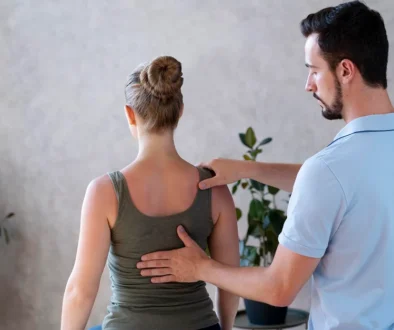
Sports medicine is a branch of healthcare focused on preventing, diagnosing, and treating injuries related to movement and physical activity. Besides what the name implies, it’s not only for athletes. Anyone can benefit, including people who work hard physical jobs, exercise casually, or deal with pain from daily wear and tear.
Sports medicine providers help with things like sprains, strains, joint pain, overuse injuries, and safe return to activity. It focuses on helping you move better, recover faster, and stay active with fewer issues.
Core Areas of Sports Medicine
As a branch of healthcare, sports medicine covers a lot of different aspects. It also accounts for how your body moves, what’s causing stress or pain, and how to prevent the same problem from coming back. As a result, it includes several key areas.
Injury Diagnosis and Treatment
In sports medicine, the first step is figuring out exactly what was injured and why it happened. A provider will ask how it started, check how you move and your strength, and do simple tests to pinpoint the affected tissue. Imaging, such as X-rays or MRI, may be used when needed to confirm the diagnosis or rule out other problems. Sports injury treatment usually starts with rest/activity changes, ice, and rehab exercises or sports physical therapy. In some cases, it may also include the use of braces, medication, or injections, and surgery is reserved for specific injuries and the most severe cases.
Injury Prevention
Sports injury prevention is about lowering the risk of an injury. Providers look at how you move, where you’re weak or tight, and what parts of your body are taking more load than they’re supposed to. Then they build a plan that usually includes a smart warm-up, strength and stability training, mobility work, and gradual increases in volume or intensity (no big jumps). They also review footwear and gear and teach recovery basics like sleep, hydration, and rest days to help prevent overuse injuries.
Sports Rehabilitation and Recovery
Sports injury rehabilitation is a process of getting you back to normal movement after an injury without rushing and re-injuring the area. A sports medicine team creates a plan to restore movement, strength, and control using specialized exercises, hands-on therapy, and tools like heat/ice or other modalities when needed. The goal is not just recovery as is, but a safe way to return to activity.
Performance Enhancement
In sports medicine, performance enhancement means helping you get stronger, faster, and more efficient without breaking down your body. A provider looks at how you move, where you’re weak or tight, and what’s limiting your body. Then they create a plan that may include sport-specific drills, strength and power training, speed/agility work, and conditioning. Just as important, they manage proper recovery and training load (sleep, rest days, fueling, hydration).
Return-to-Sport Strategies
Return-to-sport planning is how sports medicine helps you safely return to training or competition after an injury. Providers use structured plans that include pain and swelling control, proper movement, strength, and stability targets, and sport-specific drills (cutting, jumping, throwing, sprinting, etc.). They may test balance, power, and endurance to ensure the injured side can handle real-world sports loads again. The return is not instantaneous. Practice first, then full training, then competition – so you don’t re-injure yourself.
Who Can Benefit from Sports Medicine?
Sports medicine was initially created for athletes, both amateurs and professionals, because it helps with injuries, training issues, and safe return to sports activities. But it’s not exclusively for “sports people.”
Anyone who puts a lot of stress on their body can benefit, including people with physically demanding jobs and those who stay active in daily life. If you lift, carry, climb, kneel, walk a lot, or do repetitive movements at work or at home, sports medicine can help you prevent injuries, recover faster, and move with less pain.
What Conditions Does Sports Medicine Treat
- Sprains. Stretched or torn ligaments, often in the ankle, knee, or wrist.
- Strains. Pulled or torn muscles or tendons from overuse or sudden movement.
- Fractures. Broken bones from falls, impact, or repeated stress.
- Dislocations. A joint is forced out of place, commonly the shoulder or finger.
- Concussions. Head injuries from a hit or sudden jolt that affect brain function.
- Tendinitis. Irritated tendons from repetitive motion (elbow, shoulder, knee, Achilles).
- Shin splints. Pain along the shin from overuse, often from running or jumping.
- ACL tears. Knee ligament injuries are common in sports with cutting and quick direction changes.
- Rotator cuff injuries. Shoulder pain or weakness, often from overhead use or heavy lifting.
- Stress fractures. Small cracks in the bone are caused by repeated impact over time.
- Overuse injuries. Ongoing pain from repetitive training or work movements.
- Osteoarthritis. Joint wear-and-tear that can happen with activity and limit movement.
Sports Medicine Treatments and Techniques
Sports medicine in Libertyville, IL, isn’t a treatment itself; it’s like a toolbox. The right plan depends on what’s injured, how serious it is, and what you need to get back to (work, workouts, daily life, professional sport, etc.). That’s why sports medicine uses a range of methods that work together as you recover.
Physical Therapy and Rehabilitation
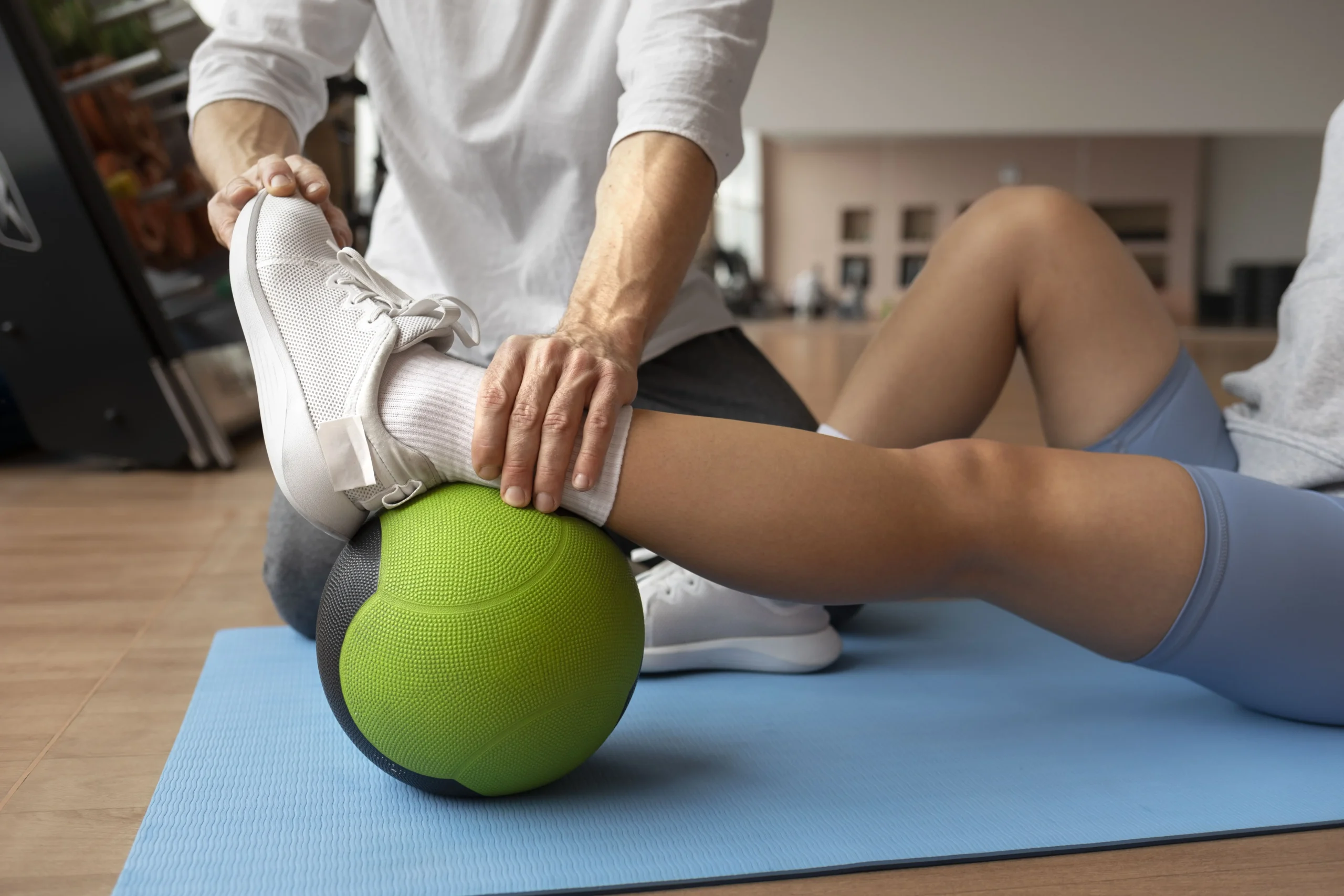
Sports medicine physical therapy and rehab start with an evaluation of what triggers your pain, how you move, and your strength and balance. Then the therapist creates a plan to restore mobility, rebuild strength and stability, and retrain key skills like squatting, running, jumping, or throwing. Sessions often combine specialized exercise with hands-on manual therapy and symptom-management tools like heat/ice or TENS. Physical therapy progress is not instantaneous, but with consistent check-ins and step-ups in training, most individuals are able to return to their normal activities.
Manual Therapy
Manual therapy is hands-on treatment used in sports medicine to help joints and soft tissue move better. A sports medicine physician may gently mobilize a joint (small guided movements) or work on muscles and connective tissue with gentle pressure to reduce pain and help you move better. It’s often used early in sports rehabilitation to calm symptoms, loosen restricted areas, and make strengthening and movement exercises feel easier, safer, and more efficient.
Exercise Prescription and Recovery Strategies
After sports injuries, you may not be allowed to perform certain activities and exercises. In sports medicine, an exercise prescription is a personalized plan that tells you what to do, how often, and how hard, based on your injury and fitness level. It usually follows basics like frequency, intensity, time, and type, then progresses slowly so you don’t trigger reinjury. Sports recovery strategies are the “other half” of results: sufficient rest days, good sleep, hydration, and proper diet.
Performance Monitoring
Performance monitoring means tracking how your body responds to training or rehab over time. Sports medicine teams use quick check-ins (pain, swelling, fatigue), functional tests (strength, balance, hop tests), and movement analysis (like video gait or technique review) to spot weak links and improper mechanics. They may also review how hard you train and your recovery progress, so increases are gradual and don’t trigger injury.

When to See a Sports Medicine Specialist
If you’re an athlete and you got injured, you’re the most obvious candidate. Sports medicine is built for exactly that – figuring out what’s wrong and getting you back to training without making the injury worse.
But it’s not only for athletes. If you do physically demanding work and you’re starting to feel pain during the same movements you do every day, that’s a strong sign you should get checked. Small strain problems can turn into long-term or even chronic injuries if you keep pushing through them.
And even if you’re “just” working out at home, things can go wrong, too. Maybe your form was off, you lifted too heavy, or you progressed too fast. If pain doesn’t settle quickly, keeps coming back, or limits your movement, a sports medicine specialist can help.
Conclusion
Sports medicine helps you understand what’s causing pain, fix the problem with the proper plan, and get back to activity without repeating the same injury because of improper techniques or wrong moves. Many people also combine care types depending on what they need.
Some add massage therapy for tight muscles, while others include a chiropractic adjustment to improve joint movement and mechanics. If you’re looking for support close to home, a chiropractor Libertyville can be part of your recovery team, especially when your pain is caused by or contributed to musculoskeletal issues.
FAQs About Sports Medicine Treatment
What are the Benefits of Sports Medicine?
Sports medicine helps you recover faster and safer by finding the real cause of pain. It also lowers re-injury risk with a clear rehab plan and proper movement training.
How Does Sports Medicine Help Improve Performance?
Sports medicine improves performance by fixing weak links in strength, mobility, and movement mechanics. It also helps you train smarter by properly managing workload and recovery.
Can Sports Medicine Help With Chronic Pain?
Sports medicine can help chronic pain by finding out what’s causing it (overuse, improper movement, weak support muscles, old injuries, etc.) and correcting it with proper rehab.
Can Sports Medicine Help Prevent Injuries Before They Happen?
Sports medicine can prevent injuries by spotting weak areas, tightness, and improper movement before they cause injury.
How do I Choose the Right Sports Medicine Physician?
Choose a sports medicine physician who is board-certified, experienced with your type of injury or sport/work demands, and offers a clear treatment plan with rehab or PT coordination. A good sports medicine provider will explain things in simple words, so you know what’s going on and what to expect.