

Complete Guide to Acupuncture for Hashimotos Thyroiditis
For individuals managing the chronic fatigue, joint pain, and metabolic slowdown of thyroid autoimmunity, choose a combined therapy of standard hormone replacement and clinical acupuncture. For patients with early-stage thyroid inflammation trying to prevent permanent glandular damage, choose targeted acupuncture coupled with proactive lifestyle and dietary adjustments. Acupuncture helps regulate the hyperactive immune response, while pharmaceutical therapy replaces missing hormones. Integrating these two approaches addresses both the systemic autoimmune attack and the resulting hormonal deficiency. This dual strategy helps patients reduce their dependency on escalations of synthetic hormones. It also manages persistent symptoms that medication alone cannot resolve and curbs systemic inflammation. Restoring balance to your endocrine system requires addressing the root immune dysfunction, not just chasing fluctuating lab values. By stimulating specific neurological pathways, acupuncture helps calm the autoimmune attack on your thyroid gland, offering a natural path to symptom relief.
Key Takeaways
- Acupuncture regulates the overactive immune response to reduce the autoimmune attack on thyroid tissue.
- Clinical sessions help alleviate stubborn Hashimoto’s symptoms like fatigue, brain fog, and muscle aches.
- Combining acupuncture with standard hormone replacement therapy provides a superior, comprehensive outcome.
- Avoiding common dietary triggers like gluten and dairy accelerates the therapeutic benefits of your acupuncture treatments.
- Acupuncture stimulates the parasympathetic nervous system, lowering cortisol levels that disrupt thyroid hormone conversion.
Understanding Hashimoto’s Disease and the Autoimmune Link
Hashimoto’s thyroiditis is a chronic autoimmune disorder where the immune system mistakenly targets and destroys thyroid tissue. The thyroid gland regulates your metabolism, energy production, and temperature control. When immune cells damage this gland, thyroid hormone production plummets, leading to hypothyroidism. According to the National Institute of Diabetes and Digestive and Kidney Diseases (NIDDK), Hashimoto’s thyroiditis is the leading cause of hypothyroidism in the United States, affecting about 5% of the population. The condition is highly prevalent in women, who are significantly more likely to develop it than men.
Conventional medicine treats this condition by replacing the missing hormones. However, hormone replacement does not stop the underlying immune system malfunction. Many patients continue to experience debilitating fatigue, brain fog, weight gain, and joint pain despite normal lab results. This gap in care is where complementary therapies become essential. By addressing the immune dysfunction directly, holistic therapies help cool the inflammatory fire that keeps the body in a state of constant survival mode.
How Acupuncture for Hashimotos Works from a Western Medical Perspective
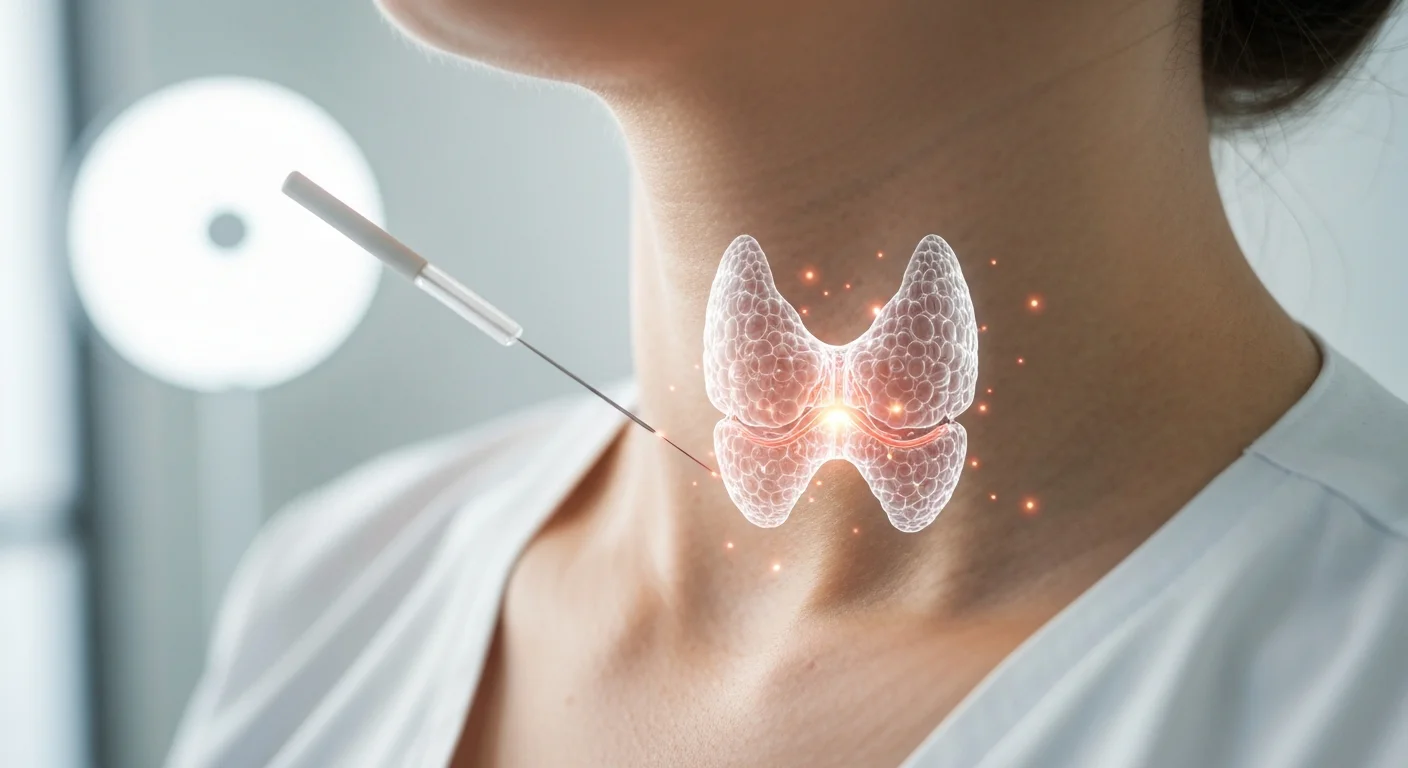
Western medical research highlights that acupuncture acts as a powerful neuroendocrine modulator. When sterile, ultra-thin needles are inserted into specific anatomical points, they stimulate peripheral nerves. These nerves send signals to the brain, releasing neurotransmitters and endorphins. This process dampens the body’s sympathetic fight-or-flight response. It also activates the parasympathetic rest-and-digest state, which is crucial for healing.
Furthermore, acupuncture reduces systemic inflammation by regulating pro-inflammatory cytokines. Chronic inflammation damages thyroid cells, preventing them from producing thyroid hormones. A clinical trial published by the National Center for Biotechnology Information (NCBI) demonstrated that acupuncture combined with moxibustion significantly decreased serum thyroid peroxidase antibodies (TPOAb) and thyroglobulin antibodies (TGAb) in patients. By lowering these antibody levels, acupuncture helps protect the remaining healthy thyroid tissue from destruction. It also improves blood circulation to the neck, which supports glandular repair and optimal hormone delivery throughout the body.
Traditional Chinese Medicine Principles for Thyroid Dysfunction
Traditional Chinese Medicine views Hashimoto’s thyroiditis as a complex pattern of systemic imbalance rather than an isolated organ disease. Practitioners identify the condition through energetic disharmonies. These disharmonies typically involve Spleen and Kidney Yang deficiency, Liver Qi stagnation, and Phlegm accumulation. The thyroid gland itself sits in the neck, a region heavily influenced by the Liver and Stomach meridians. When emotional stress or poor diet disrupts these pathways, Qi stagnates and manifests as physical swelling or nodules.
The Spleen is responsible for transforming food into energy and blood. When Spleen Qi is deficient, patients experience profound fatigue, bloating, and cold sensitivity. Over time, this deficiency drains the Kidney Yang, which is the root of the body’s warmth and metabolic fire. Acupuncture treatments focus on tonifying the Spleen and Kidney Yang to restore energy and warmth. At the same time, practitioners clear Phlegm and smooth Liver Qi to reduce swelling in the neck and resolve emotional volatility. This holistic framework ensures that every treatment addresses both physical symptoms and energetic root causes.
The Clinical Benefits of Acupuncture for Hashimoto’s Patients
Patients seeking acupuncture near me often report significant improvements in daily function and vitality. Because Hashimoto’s affects almost every organ system, the benefits of regular acupuncture sessions extend far beyond thyroid lab numbers. The therapy helps stabilize the autonomic nervous system, which directly influences digestion, sleep quality, and pain perception. Many patients notice a substantial reduction in chronic joint stiffness and muscle aches after just a few sessions.
The American Thyroid Association (ATA) estimates that up to 60 percent of those with thyroid disease do not know they have it, which points to the subtle, progressive nature of thyroid decline. For those who are diagnosed, acupuncture provides a reliable way to manage the secondary symptoms of thyroid decline. Improved sleep quality allows the body to perform cellular repair overnight. Enhanced digestive motility helps resolve the stubborn constipation commonly associated with hypothyroidism. By restoring overall balance, acupuncture empowers patients to reclaim their active lifestyles.
Comparing Treatment Methods for Autoimmune Thyroid Conditions
Managing an autoimmune condition requires a clear understanding of your therapeutic options. While conventional medication is vital for hormone replacement, combining it with holistic modalities offers the most comprehensive defense against disease progression. The table below outlines how different approaches target the various aspects of Hashimoto’s thyroiditis.
| Treatment Option | Primary Mechanism | Pros and Cons |
|---|---|---|
| Hormone Replacement (Levothyroxine) | Replaces missing T4 hormone to normalize serum levels. | Pros: Restores baseline hormone levels. Cons: Does not address the underlying autoimmune attack or systemic inflammation. |
| Clinical Acupuncture | Modulates immune response, reduces systemic cytokines, and regulates cortisol. | Pros: Lowers thyroid antibodies, relieves chronic symptoms, and manages stress. Cons: Requires ongoing, consistent sessions. |
| Medical Nutrition Therapy | Eliminates inflammatory dietary triggers like gluten, dairy, and soy. | Pros: Heals the gut barrier and reduces systemic flare-ups. Cons: Demands strict lifestyle discipline and dietary changes. |
| Stress Management and Lifestyle | Lowers sympathetic nervous activity to balance the endocrine system. | Pros: Free, natural, and improves mental well-being. Cons: Takes time to show measurable physiological changes. |
An Expert Practitioner’s Advice: Critical Mistakes to Avoid
As experienced clinical practitioners, we frequently see patients make the mistake of stopping their thyroid medications abruptly when they start acupuncture. This is a highly dangerous practice that can lead to severe metabolic complications. Acupuncture is an exceptional complementary therapy, but it cannot instantly rebuild a heavily damaged thyroid gland. If your thyroid tissue has been scarred by years of autoimmune attacks, you will still require synthetic hormones to maintain healthy metabolic function. Always consult with your endocrinologist and check your blood levels before making any changes to your medication dosage.
Another common mistake is neglecting gut health while receiving acupuncture treatments. The gut and the thyroid are deeply connected, with a large portion of active thyroid hormone conversion occurring in the digestive tract. If you continue to eat highly inflammatory foods, you will slow down your healing progress. We highly recommend combining your acupuncture sessions with a personalized nutrition assessment. Understanding what is medical nutrition therapy can help you identify specific foods that trigger your immune system. Addressing both gut health and nervous system regulation ensures the fastest path to clinical remission.
What to Expect During Your Clinical Acupuncture Sessions

If you are new to acupuncture, your initial visit will begin with a comprehensive health history evaluation. Your practitioner will examine your tongue, take your radial pulses, and discuss your specific symptoms. They will ask about your energy levels, sleep patterns, temperature preferences, and digestive health. This detailed assessment allows the acupuncturist to create a customized treatment plan tailored to your body’s unique energetic pattern.
During the session, you will rest comfortably on a padded treatment table. The acupuncturist will gently insert sterile, single-use, hair-thin needles into specific acupuncture points. These points are typically located on the lower legs, arms, abdomen, and back. You may feel a mild, dull sensation or a slight tingle when the needle reaches the correct depth. This is a normal sign that the nervous system has been activated. Most patients find the experience deeply relaxing, often falling asleep during the 20 to 30-minute treatment. In the Chicago suburbs, acupuncture sessions typically cost between $90 and $180 per session, with initial evaluations ranging from $150 to $250 depending on the complexity of the case.
How Often Should You Receive Acupuncture for Autoimmune Flare-Ups?

To achieve lasting results, consistency is absolutely vital. Autoimmune conditions do not develop overnight, and they cannot be resolved in a single session. For patients experiencing active thyroid inflammation, we generally recommend starting with a treatment plan of one to two sessions per week for the first six to eight weeks. This initial phase helps calm the active immune response and stabilizes fluctuating energy levels.
Once your symptoms begin to resolve and your thyroid antibody levels stabilize, your practitioner will transition you to a maintenance phase. To understand how often you should get acupuncture, you must consider your unique lifestyle stress and overall vitality. For most patients in remission, a bi-weekly or monthly maintenance session is sufficient to prevent future flare-ups. Regular maintenance keeps your nervous system balanced, manages stress, and ensures that your immune system remains regulated throughout seasonal changes and stressful life events.
- Initial Assessment: Comprehensive review of medical history, current lab work, and symptom patterns.
- Active Treatment Phase: One to two sessions weekly for six to eight weeks to reduce systemic inflammation.
- Re-evaluation: Analysis of symptom improvement and follow-up thyroid antibody panels.
- Maintenance Phase: Bi-weekly or monthly sessions to support long-term endocrine health and stress resilience.
FAQ
Can acupuncture cure Hashimoto’s thyroiditis?
There is currently no medical cure for Hashimoto’s thyroiditis, but acupuncture can help put the condition into clinical remission. It does this by regulating the immune system and reducing the inflammatory antibodies that attack the thyroid gland. This helps preserve your remaining healthy thyroid tissue and improves your overall quality of life.
How long does it take to see results from thyroid acupuncture?
Most patients begin to notice improvements in their energy levels, sleep quality, and digestion within four to six weeks of consistent weekly treatments. However, reducing thyroid antibody levels on lab tests typically requires three to six months of regular clinical care. Your individual timeline will depend on the severity of your condition and your lifestyle habits.
Is acupuncture safe for people with autoimmune diseases?
Yes, acupuncture is exceptionally safe for individuals with autoimmune diseases when performed by a licensed, certified acupuncturist. Because it does not introduce external chemicals or suppress the entire immune system, it naturally regulates your body’s defenses without harmful side effects. Practitioners use sterile, single-use, disposable needles to eliminate any risk of infection.
What acupuncture points are used for Hashimoto’s?
Practitioners select points based on your specific traditional diagnosis, but common points include Stomach 36 (Zusanli) for immune support and energy, Spleen 6 (Sanyinjiao) for endocrine regulation, and Liver 3 (Taichong) to manage stress. Points near the thyroid gland on the neck, such as Stomach 9, are also sometimes used to localise blood flow. Your clinician will customize the point selection at every visit.
Can acupuncture help me lose weight gained from hypothyroidism?
Acupuncture can assist with weight loss by optimizing your digestive function, regulating thyroid hormones, and reducing cortisol levels. Cortisol is a stress hormone that promotes fat storage and slows metabolic function. While acupuncture supports metabolic efficiency, you must combine it with proper dietary adjustments and regular physical activity for the best results.
Should I stop taking my thyroid medication while receiving acupuncture?
No, you must never stop or adjust your thyroid medication without the direct supervision of your endocrinologist or primary care physician. Acupuncture works beautifully as a complementary therapy to heal the immune system, but it does not replace missing thyroid hormones if your gland has suffered permanent structural damage.