Can Acupuncture Help with Anxiety?
For individuals experiencing mild, temporary stress, simple lifestyle modifications like daily meditation or light outdoor exercise are often sufficient. However, for those managing chronic generalized anxiety or debilitating physical symptoms like chest tightness and rapid heart rate, professional clinical acupuncture stands out as the superior non-pharmacological choice. Acupuncture works directly on the central nervous system to rebalance hormones, slow down the sympathetic nervous system, and stimulate deep physical relaxation. If you are seeking a sustainable, drug-free way to alleviate constant worry, clinical research and patient experiences show that a structured plan of acupuncture sessions offers reliable relief. By targeting specific points on the body, this time-tested method helps regulate your body’s stress response, bringing rapid and lasting calm to an overworked mind. Choosing this treatment allows you to address the root physical causes of stress without the side effects often associated with traditional prescription medications.
Key Takeaways
- Acupuncture directly targets the nervous system to shift your body from fight-or-flight mode into a deeply relaxed, restorative parasympathetic state.
- Patients typically see optimal results with a consistent initial treatment plan of one to two sessions per week for six to eight weeks.
- Clinical acupuncture safely addresses both mental worry and physical symptoms, such as muscle tension, rapid heart rate, and digestive issues.
- This therapy works exceptionally well when combined with other natural approaches like chiropractic care and medical nutrition therapy.
- Always work with a licensed, certified acupuncturist to ensure a safe, clean, and highly personalized treatment experience.
Why Acupuncture Anxiety Treatment Is a Highly Effective Tool
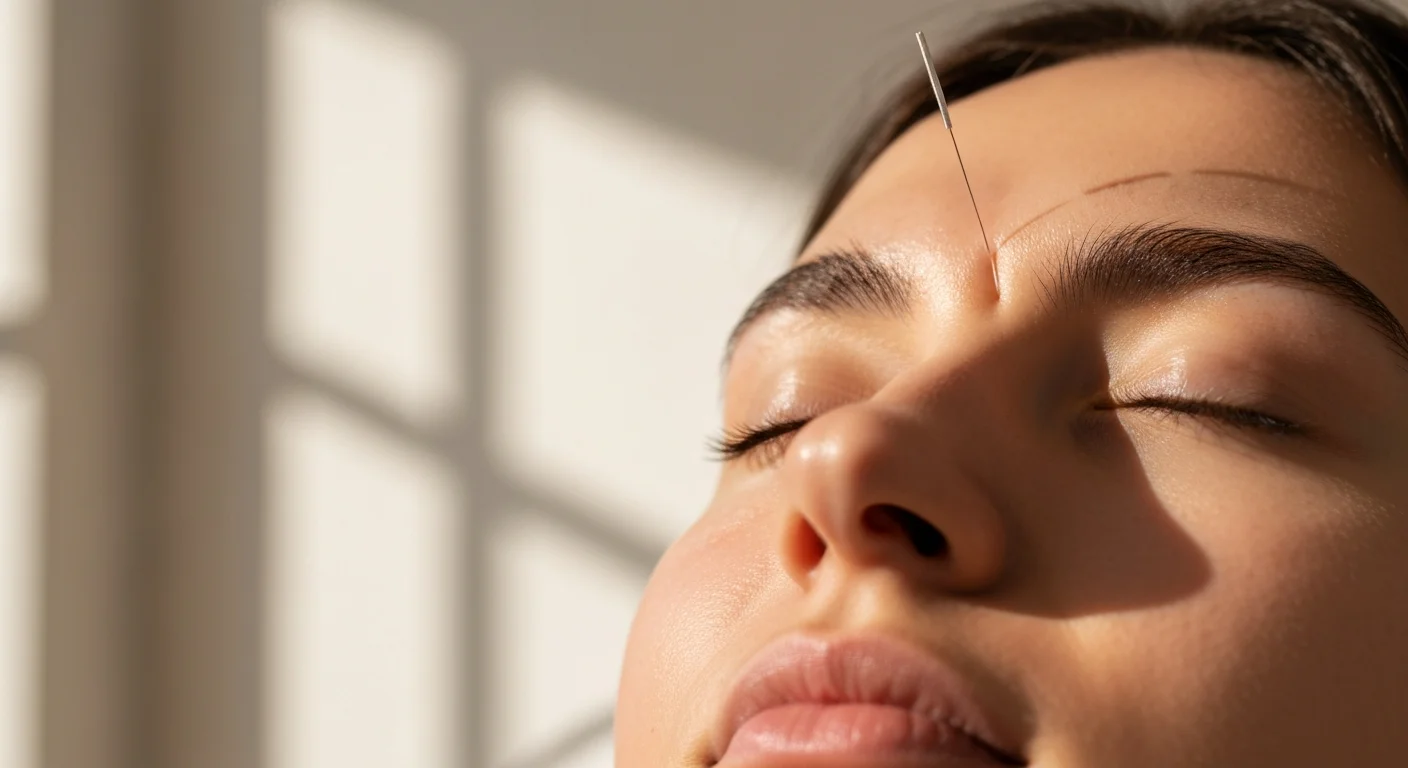
Acupuncture anxiety treatment represents a highly effective, natural therapeutic intervention because it directly bridges the gap between physical biology and mental health. Many patients ask, does acupuncture help with anxiety in a tangible, measurable way? The answer is a clear yes, particularly for those who wish to avoid the side effects or dependency risks of traditional prescription medications. In our clinical practice at Cross-Up Chiropractic in Libertyville, Illinois, we observe that patients frequently experience a profound drop in their baseline stress levels after just a few visits. This treatment works because it does not simply mask your symptoms. Instead, it addresses the underlying neurological and hormonal imbalances that trigger chronic worry. When you choose clinical care, you are utilizing a time-tested therapy that modern science continues to validate. Utilizing acupuncture good for anxiety management allows patients to reclaim control over their daily lives, providing a calm foundation that supports long-term mental wellness and physical resilience.
In 2026, the clinical consensus continues to lean toward integrative wellness models that treat the patient as a whole person. Rather than viewing mental stress as a strictly psychological issue, experienced practitioners understand that the mind and body are fully interconnected. Physical symptoms of tension can reinforce mental loops of worry, creating a self-sustaining cycle of distress. By breaking this physical cycle, clinical treatment interrupts the neurological pathways that keep you feeling trapped in chronic stress. Many patients who have struggled for years with traditional counseling alone find that adding acupuncture provides the missing physical breakthrough they need to truly heal.
Understanding the Science: How Does Acupuncture Help Anxiety?
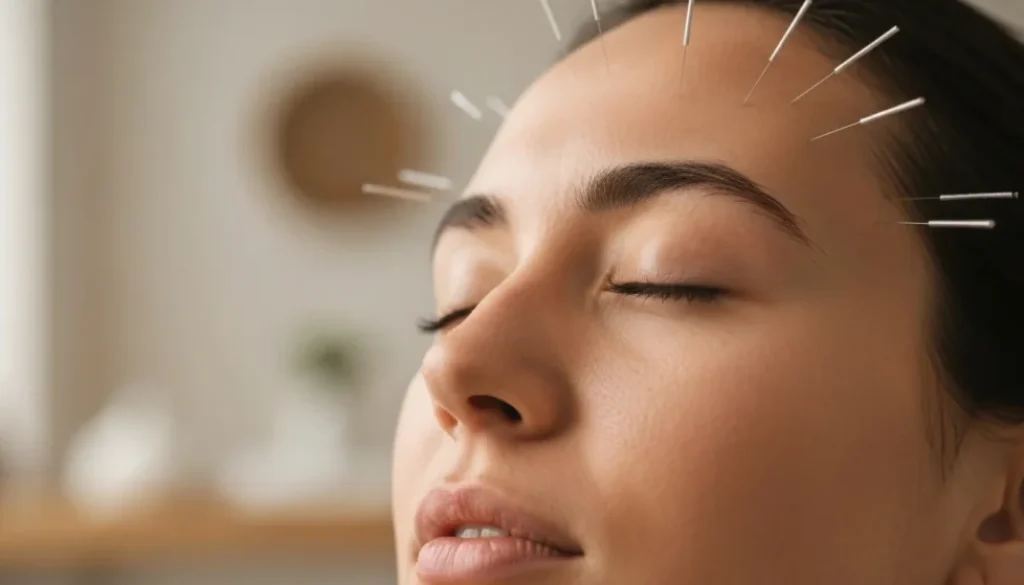
Understanding how does acupuncture help anxiety requires a brief look at the human nervous system. When you experience chronic stress, your sympathetic nervous system remains in a constant state of high alert, flooding your system with cortisol and adrenaline. Clinical studies show that inserting micro-fine needles into specific anatomical points stimulates sensory nerves under the skin. This stimulation sends immediate signals to the brain, prompting the release of endorphins, adenosine, and serotonin, which are your body’s natural pain-relieving and mood-stabilizing chemicals.
According to a landmark clinical study compiled by the National Center for Biotechnology Information, over 55 percent of patients receiving regular acupuncture therapy reported a measurable reduction in their clinical anxiety scores. Furthermore, the National Center for Complementary and Integrative Health has funded ongoing research to evaluate how targeted nerve stimulation can regulate the vagus nerve. The vagus nerve controls your heart rate, digestion, and relaxation responses. By modulating this pathway, acupuncture slows your heart rate, lowers blood pressure, and calms the hyperactive mind. This scientific framework proves that the therapy is not a placebo, but a robust neurological intervention.
From a biological perspective, these micro-needles also reduce systemic inflammation. Chronic inflammation is increasingly linked to mood disorders, brain fog, and elevated stress levels. By stimulating local blood flow and prompting an anti-inflammatory response, acupuncture helps clear cellular debris and improves vascular health. This means your brain receives a cleaner, more consistent supply of oxygenated blood, which directly improves cognitive function and emotional regulation. When your brain is physically healthy and well-nourished, it is far better equipped to process stressful triggers without spiraling into a state of panic.
The Physical Benefits of Acupuncture for Anxiety and Stress Relief
The physical benefits of acupuncture for anxiety extend far beyond simple mental relaxation. Chronic stress manifests physically as tight shoulders, shallow breathing, jaw clenching, and persistent headaches. When you receive professional acupuncture treatments, the micro-needles stimulate local blood flow and release muscular trigger points. This direct physical release sends a feedback loop to your brain, confirming that the body is safe and no longer needs to maintain a tense defensive posture.
Additionally, clinical acupuncture helps regulate the hypothalamic-pituitary-adrenal axis, which is the control center for your body’s hormonal response to stress. By regulating this axis, acupuncture helps stabilize your sleep cycles, improves digestion, and boosts immune function, all of which are compromised by chronic anxiety. As you explore the surprising benefits of acupuncture, you will find that treating the physical body is often the fastest way to quiet a racing mind. This holistic physical restoration is why so many patients report feeling lighter, more grounded, and physically energized after their sessions.
To maximize these physical benefits, patients should look for a clinical setting that combines acupuncture with other supportive therapies. For example, muscular tension in the neck and shoulders can compress nerves, further exacerbating feelings of stress and physical discomfort. Incorporating soft tissue work or targeted physical medicine alongside your needling sessions can accelerate your recovery. When your muscles are relaxed and your joints are properly aligned, your nervous system can function without interference, making it much easier to maintain emotional balance throughout the week.
Can Acupuncture Help with Anxiety and Depression Simultaneously?
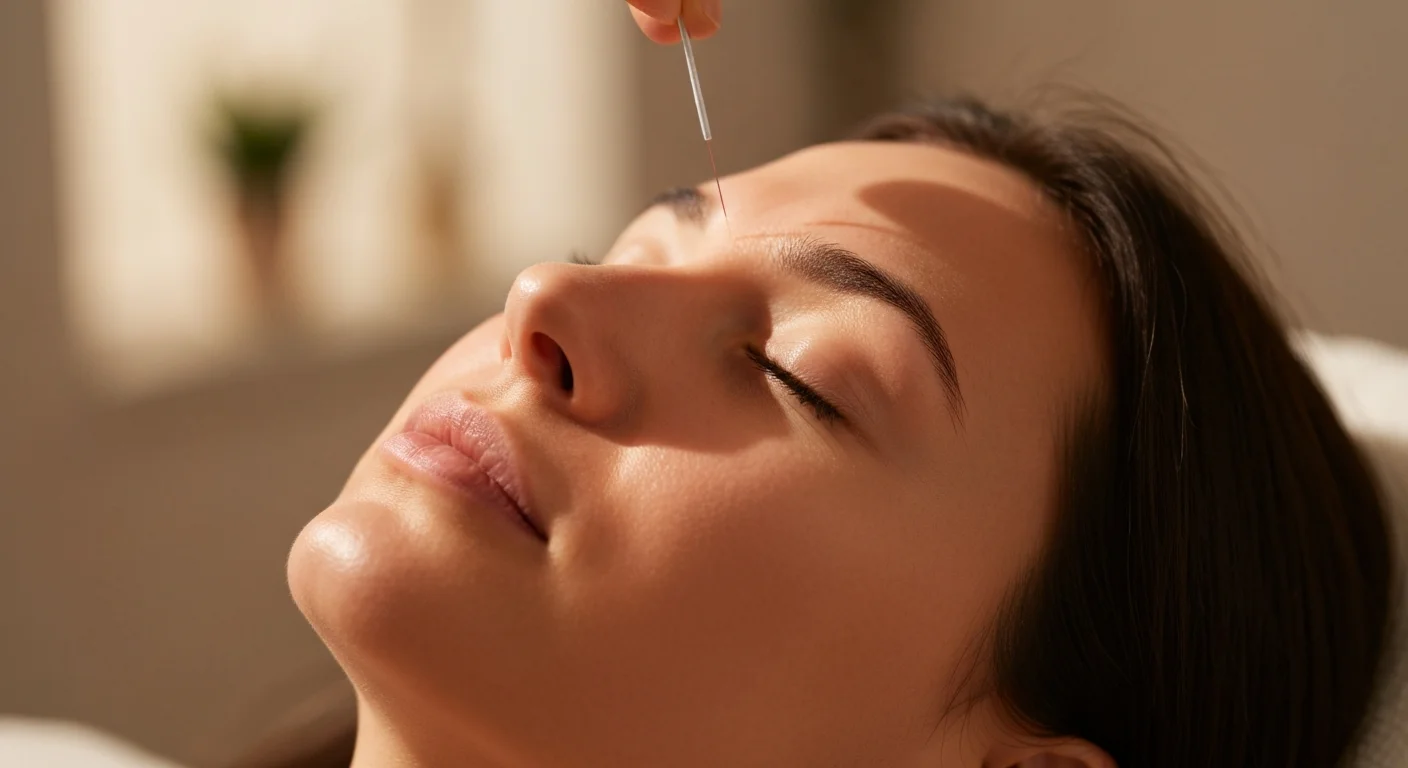
Treating co-occurring mental health conditions is highly effective with acupuncture because the therapy addresses the shared neurochemical pathways of both anxiety and depression. Many people suffer from a combination of these conditions, finding themselves trapped in a cycle of constant worry followed by profound exhaustion. A comprehensive study published by the Cochrane Database of Systematic Reviews highlights that acupuncture can significantly reduce depressive symptoms while concurrently mitigating generalized anxiety.
By stimulating points that promote dopamine and serotonin synthesis, acupuncture elevates a flat mood while simultaneously soothing an overactive nervous system. This dual action is a major advantage over pharmaceuticals, which sometimes treat one condition while worsening the other. When integrated with other holistic practices, such as customized physical medicine or nutritional guidance, patients experience a balanced recovery. If you are wondering how to best approach your recovery journey, reading about acupuncture vs chiropractor options can help you design the perfect, multi-disciplinary wellness plan.
It is common for depressive states to manifest as physical stagnation, fatigue, and chronic pain, while anxiety presents as restless energy. Acupuncture addresses both ends of this spectrum by restoring systemic balance. Specific acupuncture points can boost natural energy levels and improve mental clarity, helping you break through the lethargy of depression. At the same time, grounding points calm the hyperactive nervous system to quiet anxious thoughts. This highly personalized approach ensures that your specific symptom presentation is addressed at every single session, providing customized care that adapts to your daily emotional state.
Acupuncture for Panic Attacks and Acute Stress Responses
Using clinical acupuncture for panic attacks is an excellent way to train your nervous system to recover from sudden, overwhelming surges of fear. A panic attack is an extreme, acute activation of your fight-or-flight response, often occurring without a clear external trigger. During these episodes, the body is flooded with adrenaline, causing hyperventilation, chest pain, and a feeling of impending doom. Acupuncture help for acute panic works by targeting specific soothing points, such as the Yintang point located between the eyebrows, and Shen Men on the ear.
These points act as neurological emergency brakes, helping to rapidly down-regulate the nervous system. While acupuncture during an active panic attack is helpful, receiving regular preventative treatments is the real key to long-term freedom. Over time, consistent sessions raise your threshold for panic, meaning your body becomes much less likely to trigger that extreme survival response. This build-up of neurological resilience gives patients the confidence to navigate stressful daily situations without the constant fear of a sudden panic episode.
Furthermore, learning to regulate your breathing during your needling sessions can dramatically enhance this preventative effect. As you lay quietly with the needles in place, your body practices existing in a state of deep, undisturbed rest. This act of conscious relaxation trains your brain to recognize that a state of physical stillness is safe and desirable. Over several weeks of consistent care, this mental and physical training helps override the automatic panic response, giving you the tools to manage stress before it escalates into a full crisis.
Comparing Acupuncture to Other Holistic Therapy Options
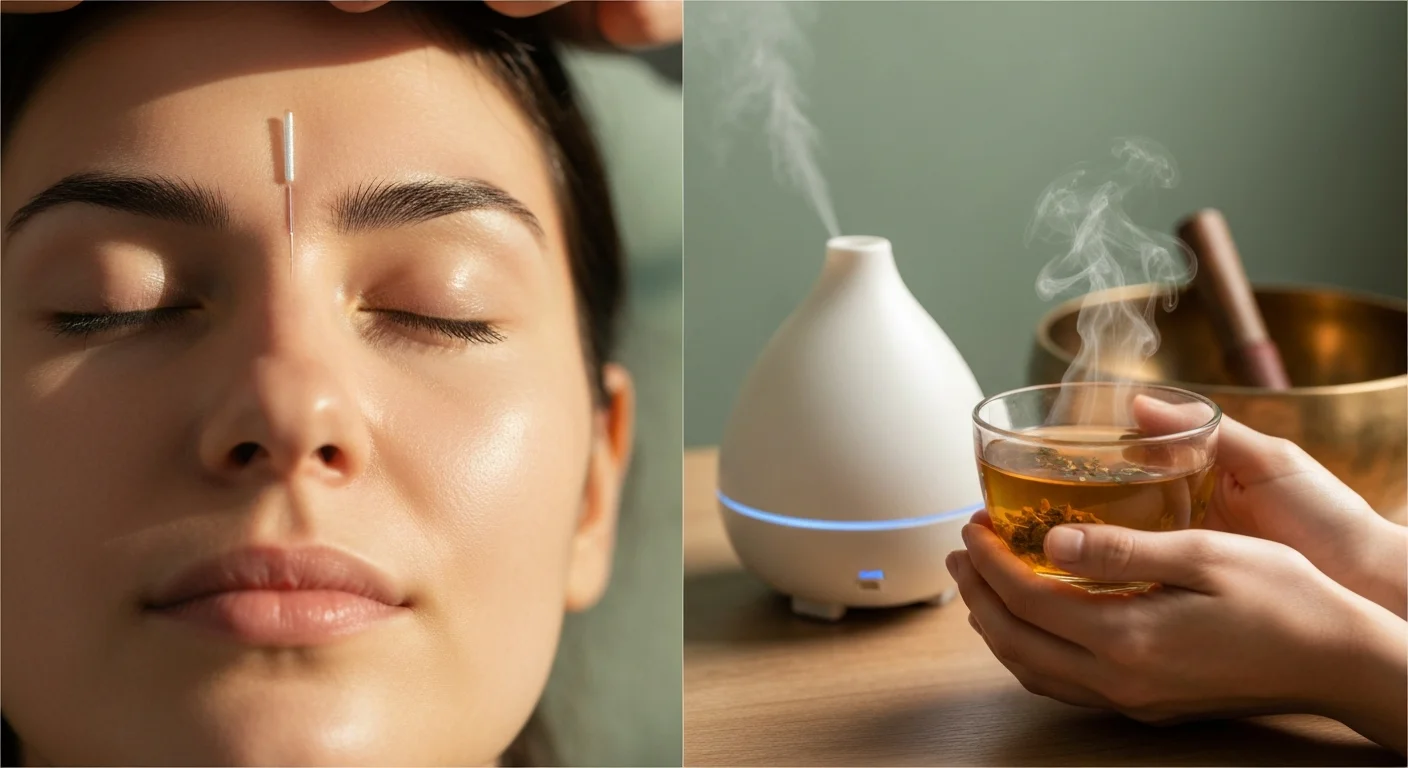
Acupuncture stands out among holistic therapies, but it often works best when compared to or combined with other physical modalities. Each therapy offers unique benefits for relaxing the nervous system, releasing muscle tension, and improving overall physical resilience. To help you choose the best approach for your specific needs, we have compared the most popular holistic options below.
| Therapy Type | Primary Mechanism of Action | Best Suited For | Average Session Price Range |
|---|---|---|---|
| Acupuncture | Stimulates nervous system and balances hormone production. | Chronic anxiety, panic attacks, insomnia, and systemic stress. | $80 – $160 per session |
| Massage Therapy | Direct muscle manipulation to relieve physical tension and boost circulation. | Generalized muscle tightness, mild anxiety, and physical fatigue. | $75 – $150 per session |
| Chiropractic Care | Spinal adjustments to improve spinal alignment and optimize nervous system flow. | Physical tension, headaches, back pain, and anxiety-induced posture issues. | $60 – $120 per session |
| Physical Therapy | Targeted exercises and manual therapy to restore movement and reduce pain. | Anxiety stemming from chronic pain, physical injury, and physical limitations. | $100 – $200 per session |
While each of these therapies is highly effective on its own, combining them often produces the most profound results. For example, receiving a chiropractic adjustment to align your spine can improve the overall efficiency of your nervous system, making your body even more receptive to the calming effects of acupuncture. Similarly, utilizing targeted massage therapy can prepare your muscles for deep relaxation, ensuring that your acupuncture session is as comfortable and restorative as possible. Discussing your goals with an experienced provider can help you create a customized, multi-therapeutic plan that addresses your unique health needs.
How Often Should I Get Acupuncture for Anxiety Treatment?
Determining how often should i get acupuncture for anxiety depends entirely on the severity, duration, and nature of your symptoms. As a general rule, patients experiencing severe, acute anxiety or frequent panic attacks require more frequent initial sessions to stabilize their nervous system. In 2026, modern clinical guidelines emphasize a proactive, front-loaded approach to achieve lasting neurological changes. Once your body learns to maintain a state of calm, you can safely increase the time between your clinical visits.
To help you plan your therapeutic schedule, we recommend following this typical recovery protocol:
- The Stabilization Phase: Receive treatments one to two times per week for the first four to six weeks. This phase focuses on breaking the chronic stress cycle and lowering baseline cortisol levels.
- The Transition Phase: Reduce your sessions to once every two weeks for another month as your symptoms begin to subside and stabilize.
- The Maintenance Phase: Schedule one session every four to six weeks. This prevents future symptom flare-ups and maintains long-term nervous system resilience.
- Acute Stress Adjustments: Book a single, immediate session whenever you anticipate an unusually stressful life event, such as a major career change or medical procedure.
To better understand how this frequency applies to your lifestyle, you can read our detailed guide on how often should you get acupuncture to optimize your personalized treatment plan. Every individual responds to care differently, which is why an ongoing assessment with your provider is vital to your long-term success.
Common Mistakes Patients Make During Anxiety Treatment
One of the most common mistakes patients make when starting acupuncture for anxiety is expecting immediate, permanent results after a single session. While many individuals feel a sense of deep relaxation during their very first visit, acupuncture is a cumulative therapy that builds upon itself over time. Quitting too early prevents your body from establishing the lasting neurological pathways needed to maintain long-term mental peace. Consistency is the foundation of any successful holistic healing plan.
Another frequent mistake is failing to manage stimulants and lifestyle factors on treatment days. For example, consuming large amounts of caffeine right before a session can overstimulate your nervous system, making it more difficult for your body to transition into a deeply relaxed, parasympathetic state. Additionally, we strongly advise patients never to abruptly stop taking their prescribed anti-anxiety medications without direct supervision from their medical doctor. Acupuncture is an exceptional complementary therapy, but any changes to medication protocols must be managed slowly and professionally to prevent severe withdrawal symptoms.
Finally, some patients fail to communicate openly with their acupuncturist about their comfort levels. If you are nervous about needles, simply let your provider know. Modern clinical practitioners utilize exceptionally thin, sterile needles and can employ gentle insertion techniques that are virtually painless. Being honest about your feelings allows your provider to adjust their approach, ensuring that your session remains a comforting, stress-free experience from start to finish.
FAQ
Does acupuncture help with anxiety immediately?
Many patients experience a noticeable sense of deep relaxation and calmness during or immediately following their first clinical session. However, long-term relief from chronic anxiety and panic attacks typically requires a consistent series of treatments to retrain your nervous system.
Can acupuncture help with anxiety and depression at the same time?
Yes, acupuncture is highly effective at addressing both conditions simultaneously by regulating the neurochemicals responsible for mood and stress. By balancing serotonin, dopamine, and cortisol levels, it calms an overactive mind while gently lifting a low or fatigued mood.
How many acupuncture sessions will I need for anxiety?
Most clinical treatment plans begin with one to two sessions per week for a period of four to six weeks to stabilize the nervous system. Once your symptoms are under control, you can transition to a maintenance schedule of one session every four to six weeks.
Is acupuncture safe for treating generalized anxiety disorder?
Acupuncture is an incredibly safe, drug-free treatment option when performed by a licensed and certified practitioner using sterile, single-use needles. There are virtually no systemic side effects, making it an excellent alternative or complement to traditional mental health therapies.
What does an acupuncture treatment for anxiety feel like?
During a session, you will feel a tiny, brief pinch as the micro-fine needles are gently inserted into key pressure points. Once the needles are in place, most patients feel no pain at all, instead experiencing a heavy, warm, and profoundly relaxing sensation.
Can I get acupuncture for anxiety while taking prescription medications?
Yes, acupuncture works exceptionally well alongside traditional medical treatments, including prescription anti-anxiety medications and talk therapy. You should never stop or change your medication dosage without first consulting your prescribing physician.