Manual Therapy Techniques and a Comparison of Their Benefits
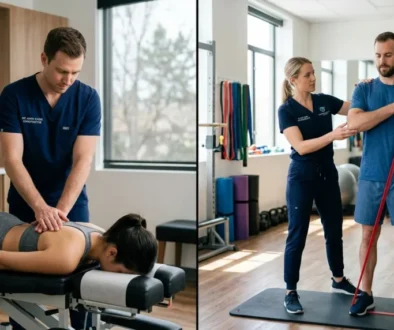
If you are struggling with stubborn joint stiffness or localized spinal pain, choose joint mobilization and manipulation. If your primary issue is chronic muscle tightness, structural scar tissue, or persistent fascial tension, opt for myofascial release or active release techniques instead. At Cross-Up Chiropractic in Libertyville, IL, we customize these hands-on manual therapy techniques to target your exact physical bottlenecks. This clinical care works best when combined with active movement therapies rather than as a passive, standalone cure. By combining targeted hands-on methods with custom exercises, we can quiet down overactive nervous system pain signals, restore lost ranges of motion, and restore functional mobility. This guide explains how manual physical therapy works, what specific techniques provide the fastest relief for your unique condition, and how we implement these strategic protocols in 2026 to help you live pain-free.
Key Takeaways
- Manual therapy utilizes hands-on pressure to modulate the nervous system, reduce muscle guarding, and improve joint fluid mechanics.
- For acute joint stiffness, high-velocity low-amplitude thrusts or rhythmic joint mobilizations offer the fastest path to restored range of motion.
- Soft tissue techniques like myofascial release and active release therapy target restrictive scar tissue and deep muscle tension.
- Passive manual care is most effective when integrated into a broader active physical therapy plan that includes targeted strength training.
- Modern manual physical therapy focuses on neurophysiological desensitization rather than simply clicking bones back into place.
Understanding Modern Manual Physical Therapy: The Shift from Crack to Connect
Manual physical therapy refers to skilled, hands-on techniques designed to decrease pain, increase range of motion, and facilitate healing. Traditionally, practitioners believed that manual therapy worked primarily by mechanically restructuring tissues or forcing misaligned joints back into their correct positions. Modern clinical research in 2026 has completely transformed this perspective. Today, we know that hands-on techniques operate through a complex network of neurological and biomechanical pathways.
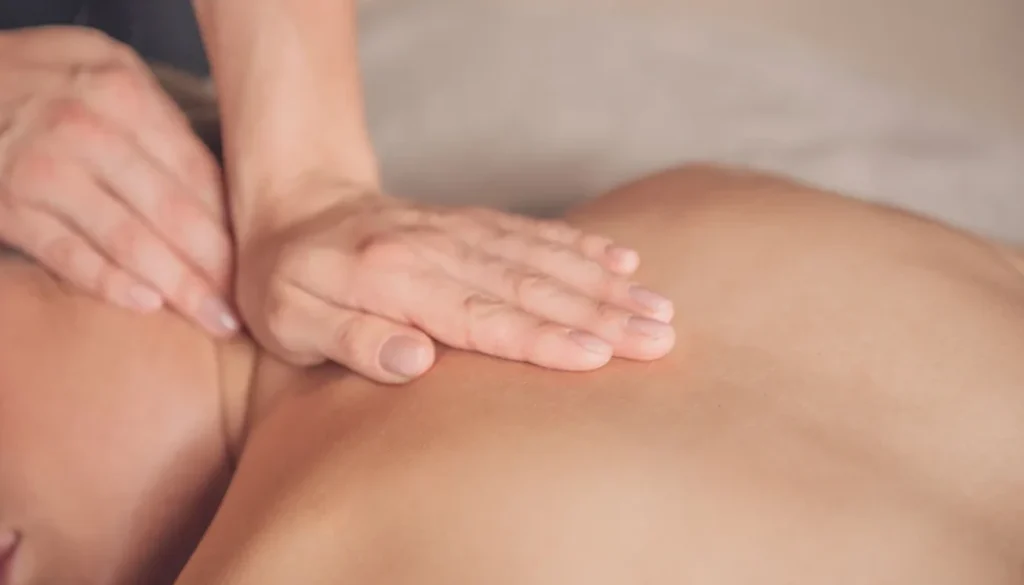
When our clinicians apply gentle, directed force to your skin, muscles, or joints, we are communicating with your nervous system. This hands-on input alters the pain signals travelling to your brain, which relaxes guarded muscles. To better understand how these practices fit into a holistic recovery strategy, read our What Is Manual Therapy? A Complete Guide to Pain Relief.
According to a clinical study published by the National Center for Biotechnology Information, patients receiving manual physical therapy alongside active exercise show far superior outcomes compared to those utilizing passive modalities alone. This means we do not just work on you; we work with you to rebuild movement patterns. We look beyond structural defects to address your nervous system, stress levels, and functional goals.
The Top Advanced Manual Therapy Techniques Explained
Advanced manual therapy techniques target different layers of connective tissue, muscle fibers, and articular structures to restore optimal movement. At our Libertyville clinic, we customize these methods to match your specific tissue limitations and pain tolerance. You might receive a single focal technique or a fluid combination of several hands-on approaches.
If you are looking for customized care to restore your movement, explore our specialized physical therapy solutions. We frequently utilize these primary hands-on techniques to accelerate patient recovery:
Joint Mobilization
Joint mobilization involves applying gentle, passive, and rhythmic pressures to a joint surface. We perform these motions at varying speeds and depths to stretch the joint capsule and decrease localized pain. This technique is highly effective for patients suffering from stiff, arthritic joints or post-surgical movement restrictions.
Joint Manipulation (High-Velocity, Low-Amplitude Thrust)
This technique uses a quick, controlled thrust applied to a specific joint. It often produces a harmless popping sound, which is simply the release of gas bubbles from the joint fluid. This input instantly resets local muscle tension and provides rapid pain relief by stimulating sensory receptors in the joint capsule.
Myofascial Release
Myofascial release targets the tough, web-like connective tissue known as fascia that wraps around your muscles and organs. Chronic inflammation, poor posture, and physical trauma cause the fascia to become tight and restrictive. We apply sustained, deep pressure to stretch this tissue, improving local circulation and structural alignment.
Active Release Technique (ART)
Active release combines precise, targeted pressure with active patient movement. The clinician anchors a tight muscle or scar tissue spot with their thumb or fingers, and then instructs you to actively lengthen the muscle. This dual action is incredibly effective for breaking up dense scar tissue and freeing up trapped peripheral nerves.
Muscle Energy Techniques (MET)
During muscle energy therapy, you contract a specific muscle against a precise, counter-matching force provided by the physical therapist. After holding this gentle contraction for several seconds, you relax, allowing us to safely stretch the muscle to a new length. This technique leverages your natural neuromuscular reflexes to lengthen tight muscle fibers without causing pain.
How Manual Physical Therapy Enhances Athletic Recovery and Pain Management
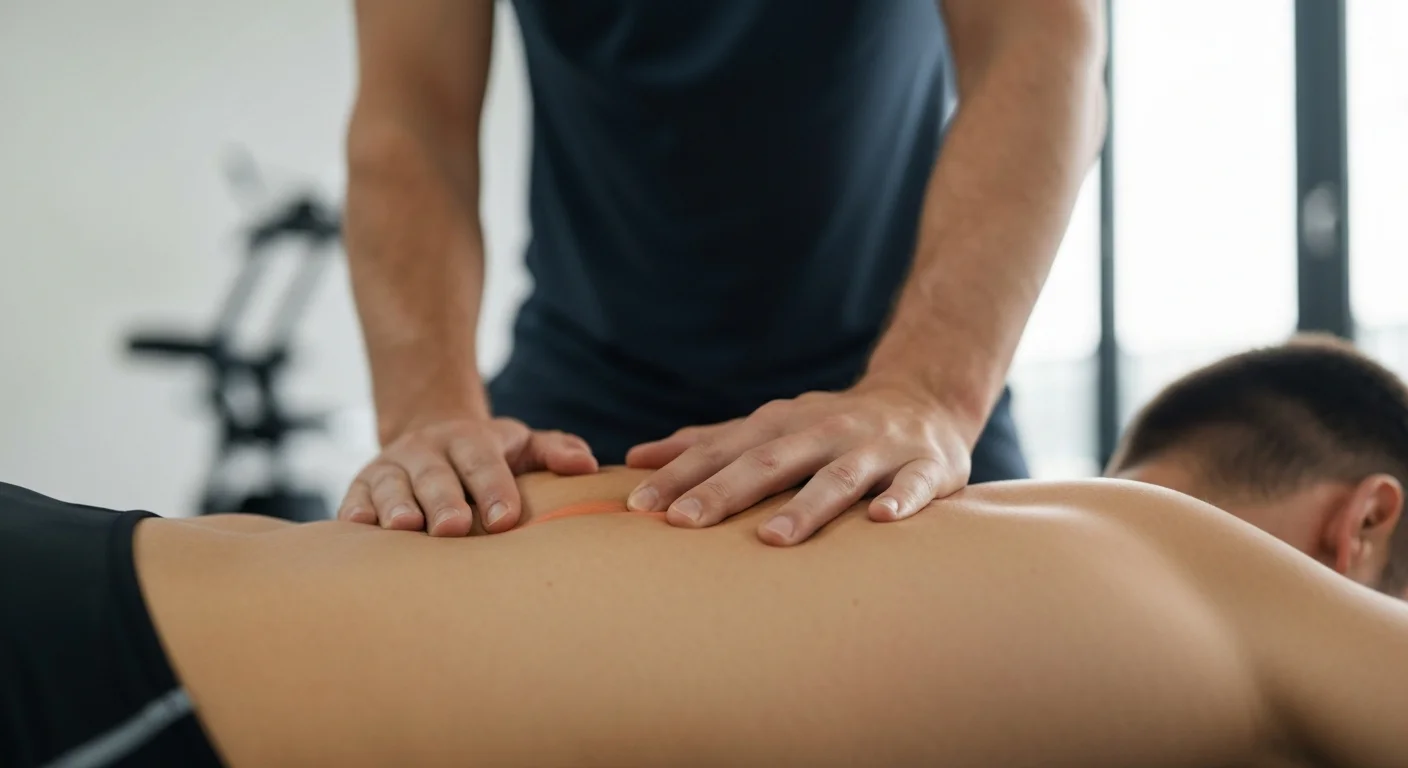
Athletic training demands quick physical recovery, making hands-on soft tissue and joint work essential for maintaining top performance. High-performance training puts continuous, repetitive stress on your muscles, tendons, and joints, which can lead to micro-tears and chronic tightness. Utilizing manual physical therapy allows athletes to recover faster, prevent overuse injuries, and maintain joint mobility.
To understand how physical medicine keeps you in the game, learn more about What is Sports Medicine. Manual therapy is not just for recovering from injuries; it is an active performance-enhancing tool. By restoring normal movement mechanics, we prevent the abnormal wear and tear that leads to joint degeneration.
For non-athletes, manual therapy provides a natural path for managing persistent chronic pain. Conditions like chronic low back pain, stubborn tension headaches, and osteoarthritis respond exceptionally well to consistent hands-on care. Instead of relying heavily on anti-inflammatory medications, manual techniques help normalize your body’s natural movement patterns and quiet down hypersensitive pain pathways.
The Biomechanical and Neurophysiological Science Behind the Touch
Physiological changes from manual therapy occur through multiple overlapping pathways within your vascular, nervous, and musculoskeletal systems. When a therapist places their hands on your body, the mechanical pressure immediately triggers a cascade of chemical and electrical reactions. This is why a simple hands-on adjustment can feel so instantly relieving.
At the vascular level, physical manipulation stimulates local microcirculation. This increased blood flow delivers vital oxygen and nutrients to damaged tissues while flushing out inflammatory cellular waste products. Furthermore, the physical stretching of collagen fibers inside muscles and fascia helps realign disorganized tissue fibers after an injury.
At the neurological level, manual therapy works through the classic pain gate control theory. This theory states that non-painful sensory inputs, such as touch and joint movement, close the neurological gates in your spinal cord. This blocks pain signals from reaching your brain. A review by the Cochrane Database of Systematic Reviews demonstrates that combining manual therapies with active exercise produces superior long-term clinical outcomes for spinal pain by systematically lowering central nervous system sensitivity.
Additionally, hands-on treatment stimulates the release of systemic endorphins and endocannabinoids. These are your body’s natural painkillers. This chemical release lowers stress hormones like cortisol, promotes whole-body relaxation, and lowers overall resting muscle tone.
Comparing Manual Physical Therapy Methods: Find Your Best Fit
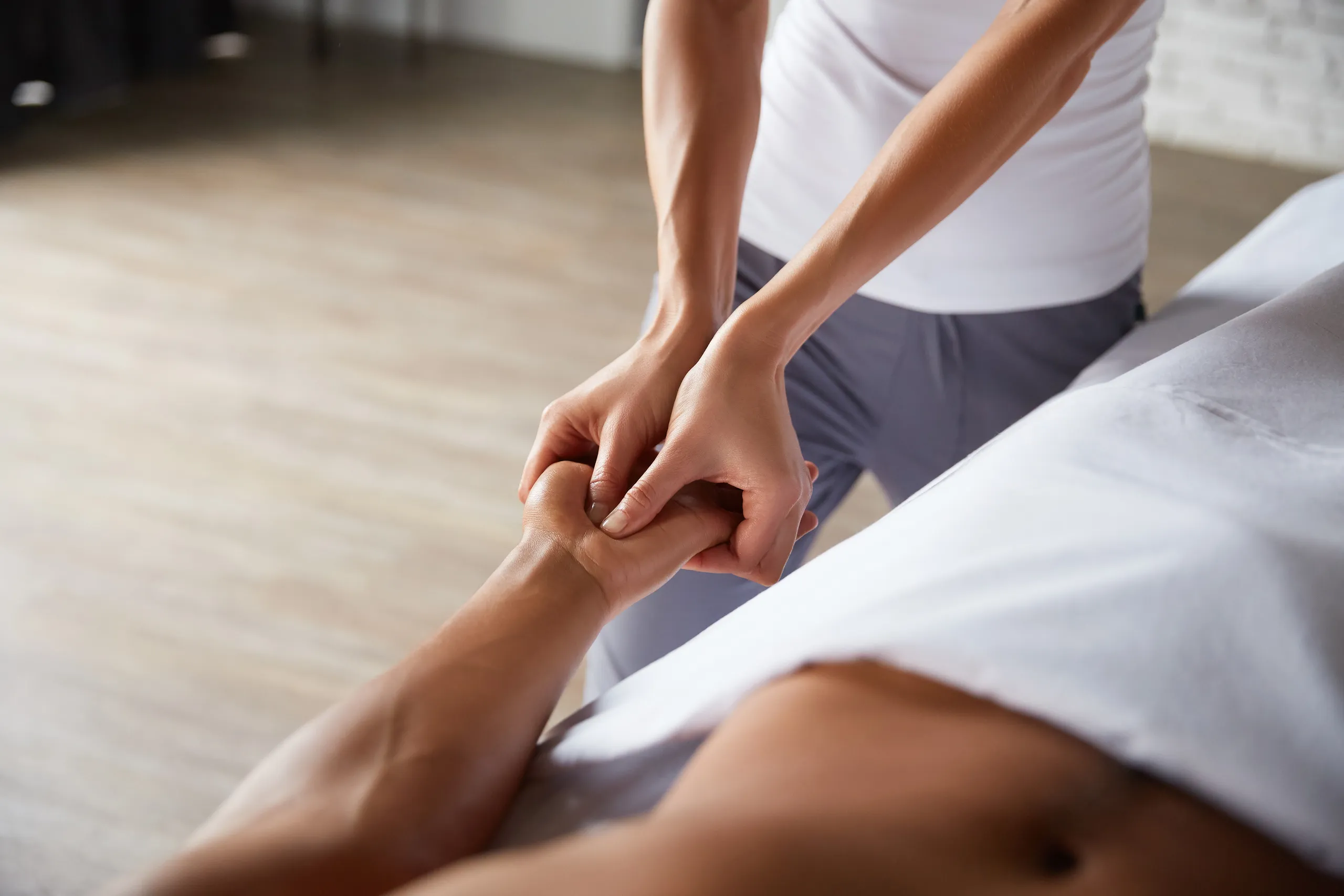
Selecting the correct manual therapy technique depends on your underlying diagnosis, tissue sensitivity, and personal recovery goals. Because every body reacts differently to physical pressure, our clinical approach is highly individualized.
The following comparison table highlights the core differences between the primary manual physical therapy methods used in modern clinical practice:
| Manual Method | Primary Tissue Target | Ideal Clinical Candidate |
|---|---|---|
| Joint Mobilization | Joint capsule and ligaments | Patients with arthritic stiffness or frozen shoulder |
| Myofascial Release | Fascia and deep connective tissues | Individuals with widespread chronic tightness or postural pain |
| Active Release Technique | Muscle fibers, tendons, and scar tissue | Athletes dealing with repetitive strain injuries or tendonitis |
| High-Velocity Thrust | Spinal and peripheral joint structures | People suffering from acute joint locking or localized pain |
What to Expect During Your Session and Clinical Pricing
Your manual physical therapy session begins with a comprehensive movement analysis to isolate your primary mechanical limitations. During this initial assessment, we test your active joint ranges of motion, localized muscle strength, and tissue tenderness. This allows us to map out a precise clinical treatment plan tailored to your body’s specific needs.
Once we establish a diagnosis, we perform the hands-on therapy while you lie comfortably on a padded treatment table. We continuously check in on your pain levels to ensure the pressure remains therapeutic yet comfortable. A common mistake to avoid is assuming that manual therapy must hurt to be effective. Working through extreme pain can actually trigger muscle guarding and worsen your symptoms.
A typical manual therapy session involves a structured, sequential workflow to maximize physical benefits:
- Comprehensive movement evaluation and joint palpation to locate structural blocks.
- Hands-on muscle and joint mobilization therapy to relax tissues.
- Targeted active exercises to reinforce newly gained range of motion.
- Custom home exercise program instructions to build joint stability.
In 2026, the cost of physical therapy sessions typically ranges from $120 to $250 for an initial comprehensive evaluation. Follow-up sessions generally cost between $90 and $180, depending on your insurance coverage and the specific combination of manual techniques required. The American Physical Therapy Association reports that starting physical therapy early for musculoskeletal conditions can reduce your overall healthcare costs by up to 50 percent by eliminating unnecessary imaging and prescription medications.
Frequently Asked Questions
What is the difference between manual physical therapy and general physical therapy?
Manual physical therapy focuses on hands-on techniques applied directly by the therapist to mobilize joints and soft tissues. General physical therapy encompasses a wider range of active exercise programs, electrical stimulation, and patient education. A comprehensive recovery plan naturally integrates both manual and active therapies.
How many manual physical therapy sessions will I need to see results?
Many patients experience significant relief from pain and stiffness after their very first session. However, addressing chronic conditions typically requires six to twelve sessions spread over several weeks to achieve long-lasting changes in tissue health and movement patterns.
Is manual physical therapy safe for a herniated disc?
Yes, manual physical therapy is highly safe and effective for herniated discs when performed by a licensed clinician. Gentle joint mobilization and traction help reduce pressure on the compressed spinal nerves, which alleviates localized pain.
Can manual physical therapy help with chronic tension headaches?
Yes, manual physical therapy can significantly reduce the frequency and severity of tension headaches. By targeting muscle tension in the upper neck and shoulders, these hands-on techniques release physical pressure on suboccipital nerves.
Which manual therapy technique is best for lower back pain?
The best technique depends on whether your lower back pain stems from joint restriction or muscular spasms. We often combine lumbar joint mobilization to improve spinal mechanics with myofascial release to relax the surrounding deep core muscles.
When should you avoid receiving manual therapy?
You should avoid manual physical therapy if you have acute bone fractures, severe osteoporosis, localized skin infections, or deep vein thrombosis. A thorough clinical screening at the start of your care ensures that all hands-on techniques are perfectly safe for your body.