
What Is Manual Therapy? A Complete Guide to Pain Relief
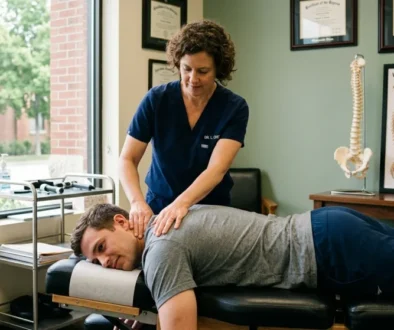
Manual therapy is a specialized physical treatment where a licensed clinician uses their hands, rather than machines or devices, to manipulate joints and soft tissues to relieve pain and restore movement. If you are experiencing stiff joints, restricted mobility, or chronic muscle tension, you should choose manual therapy to directly target mechanical dysfunction. For general muscular relaxation and stress relief, standard therapeutic massage is often better, while targeted spinal misalignment requires specific chiropractic adjustments. Here at Cross-Up Chiropractic in Libertyville, we utilize this hands-on approach to bridge the gap between acute pain relief and functional physical rehabilitation. By applying precise, skilled pressure, your therapist can desensitize painful nerves, break up tight scar tissue, and physically restore range of motion that stretching alone cannot achieve. Whether you are recovering from a sports injury or managing long-term discomfort, choosing the right hands-on strategy accelerates recovery. This guide outlines exactly how this treatment works, what to expect during your clinical sessions, and how to determine if it is the correct path for your healing journey in 2026.
Key Takeaways
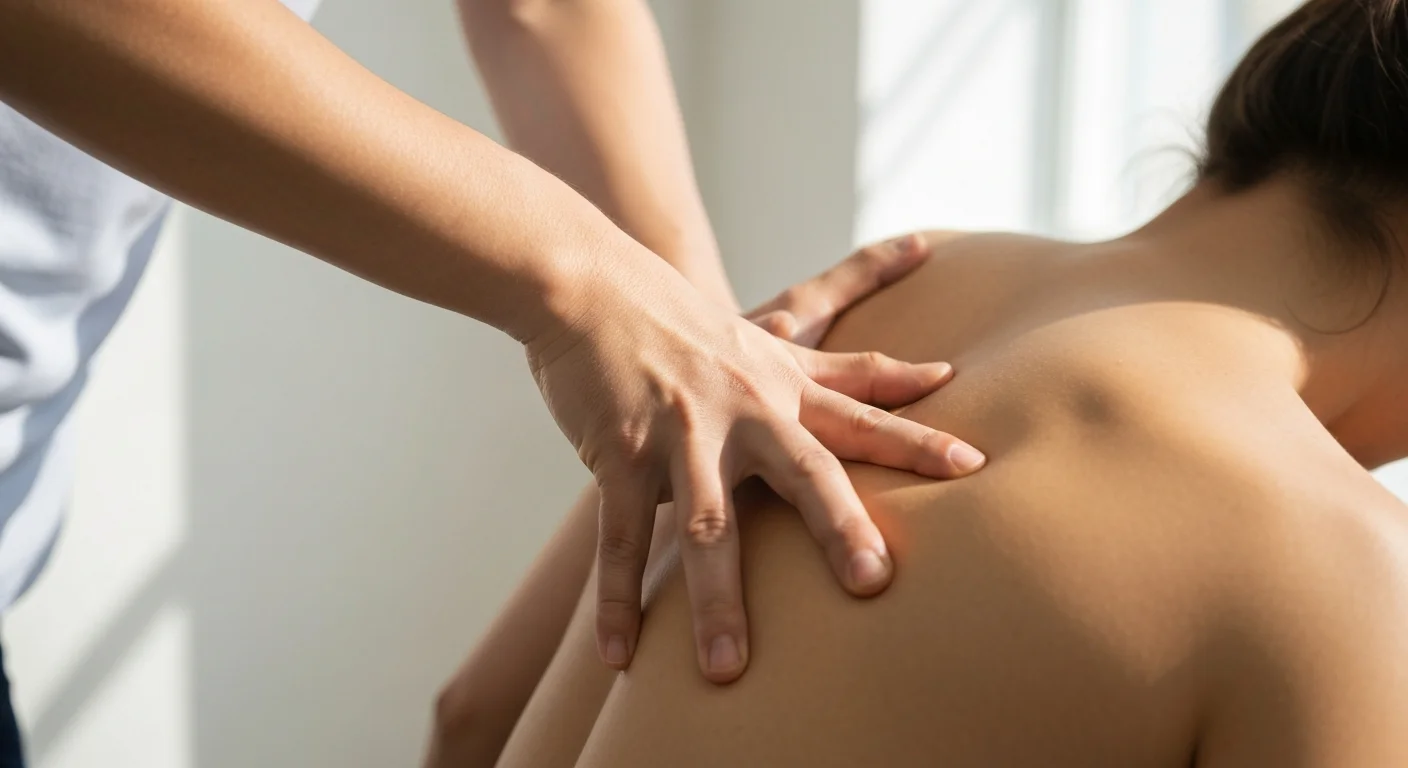
- Manual therapy involves skilled, hands-on joint and soft tissue mobilization to decrease pain and improve range of motion.
- It differs from massage therapy by focusing on functional clinical rehabilitation rather than general relaxation.
- Patients typically pay $100 to $250 per session, with many health insurance plans covering a portion of the costs.
- Contraindications include severe osteoporosis, joint hypermobility, active fractures, and localized infections.
Understanding Hands-On Manual Physical Therapy Techniques
Hands-on physical therapy techniques focus on mobilizing restricted joints and releasing tight myofascial tissues to restore physiological movement patterns. As practitioners, we often see patients who spend months performing self-stretches at home with zero progress because their joint capsule is physically restricted. A common professional mistake is attempting to stretch a muscle that is neurologically locked to protect an unstable or stiff joint. In our clinic, we use manual therapy to safely break this protective spasm cycle. If you are looking for customized clinical care, booking a session for physical therapy in Libertyville, IL is the first step.
When a clinician applies a manual technique, they act directly on the body’s mechanoreceptors. These specialized sensory receptors, including Ruffini endings, Pacinian corpuscles, and Golgi tendon organs, detect mechanical pressure and changes in tissue tension. By stimulating these receptors through precise hands-on pressure, manual therapy alters the sensory input traveling to your central nervous system. This process, known as mechanotransduction, triggers a cascade of physiological responses that reduce localized muscle guarding, lower systemic sympathetic nervous system activity, and promote muscular relaxation.
Additionally, manual physical therapy techniques address mechanical tissue barriers that develop after long-term immobilization, microtrauma, or surgery. Tissues that are not regularly moved through their full range of motion experience a loss of water content and glycosaminoglycans, which causes collagen fibers to bind together abnormally. Skilled hands-on manipulation physically stretches these shortened structures, breaking down abnormal cross-links in the collagen matrix. This mechanical elongation restores tissue elasticity, allowing you to move without feeling a restrictive pull or catching sensation in your joints.
The Core Methods of Clinical Tissue Manipulation

Clinical tissue manipulation encompasses a variety of distinct physical methods designed to target specific anatomical structures, from superficial fascia to deep joint complexes. To help you understand the diversity of these techniques, we categorize them based on their physical mechanics and primary physiological goals. Each method utilizes unique vectors of force, speeds, and depths of penetration to achieve optimal tissue response.
- Joint Mobilization: This involves slow, controlled, passive movements applied to a joint to restore normal glide and slide mechanics. Clinicians use varying grades of force to oscillate or hold the joint in specific positions, which helps lubricate the joint surfaces and stretch the surrounding joint capsule.
- Soft Tissue Mobilization (STM): Clinicians apply deep pressure and rhythmic stretching to muscles and fascia to break up adhesions and enhance circulation. This technique is highly effective for reducing localized muscle spasms and accelerating the removal of metabolic waste products from damaged tissues.
- Myofascial Release: This technique targets the restrictive connective tissue wrapping around your muscles, using sustained pressure to eliminate myofascial restrictions. By applying a gentle, continuous load to the fascia, the clinician helps the tissue stretch and realign into its natural, unrestricted state.
- Muscle Energy Techniques (METs): Patients perform gentle, active muscle contractions against a therapist’s counterforce to lengthen tight muscles and mobilize joints. This approach utilizes reciprocal inhibition and post-isometric relaxation to safely restore range of motion without overstretching sensitive tissues.
- Passive Stretching: The clinician safely guides your limb through its physiological limits to gently elongate shortened muscle fibers. This controlled stretch is performed in a completely relaxed state, preventing the patient’s protective muscle guarding from limiting the stretch.
Each of these methods serves a precise clinical purpose within a comprehensive treatment plan. For instance, joint mobilization uses varying grades of oscillation to achieve different physiological effects. Grade I and II movements are gentle, designed primarily to inhibit pain signals and distribute synovial fluid within the joint cavity. Grade III and IV movements are deeper, pushing into the joint’s physical resistance to actively stretch a stiff joint capsule. Grade V mobilizations are high-velocity, low-amplitude thrusts, commonly referred to as manipulations, which rapidly restore joint motion and trigger a profound neurophysiological relaxation response.
Comparing Manual Physical Therapy, Chiropractic Care, and Massage
Distinguishing between manual therapy, chiropractic adjustments, and traditional massage therapy comes down to their clinical objectives, training pathways, and mechanical targets. While all three modalities use hands-on contact to facilitate healing, they approach the body through different therapeutic lenses. Understanding these distinctions ensures you select the correct provider for your specific physical condition.
| Modality | Primary Clinical Goal | Provider Training |
|---|---|---|
| Manual Therapy | Restoring functional movement, joint glide, and soft tissue mobility | Physical Therapist (PT, DPT) |
| Chiropractic Adjustment | Correcting spinal alignment, reducing nerve interference, adjusting joints | Doctor of Chiropractic (DC) |
| Therapeutic Massage | Relaxing tense muscles, reducing stress, improving general circulation | Licensed Massage Therapist (LMT) |
| Sports Medicine Therapy | Rehabilitating athletic injuries and optimizing physical performance | Sports PT, Chiropractor, or Athletic Trainer |
A common point of confusion is whether you should see a chiropractor or a physical therapist for musculoskeletal conditions. If you are debating acupuncture vs chiropractor options, it helps to understand that chiropractors focus heavily on the nervous system and spinal alignment, while physical therapists analyze whole-body movement patterns. At Cross-Up Chiropractic, we often combine these elements. Our team utilizes both chiropractic techniques and manual soft-tissue mobilization to provide a comprehensive recovery plan. This integrated approach ensures we address both the structural joint alignment and the surrounding soft tissue restrictions.
Massage therapy, while highly beneficial, operates under a different clinical framework than manual physical therapy. A licensed massage therapist focuses primarily on superficial muscular layers, using systematic strokes to induce full-body relaxation, relieve stress, and soothe general muscle aches. Manual physical therapy, however, is a direct diagnostic and rehabilitative tool. The physical therapist uses hands-on techniques to identify specific structural restrictions, mobilize localized joint capsules, and physically remodel scar tissue. The ultimate goal of manual therapy is always the restoration of functional, pain-free movement, which is then reinforced through targeted corrective exercises.
How Manual Therapy Benefits Chronic Pain and Joint Stiffness
Manual therapy relieves chronic pain and joint stiffness by down-regulating the nervous system, boosting localized blood flow, and physically remodeling restrictive scar tissue. When a joint is immobilized due to injury or postural strain, it undergoes physiological changes that lead to dense, disorganized collagen deposits. Research published by the National Center for Biotechnology Information (NCBI) indicates that manual physical techniques significantly reduce pain intensity scores in patients suffering from chronic musculoskeletal disorders. Furthermore, a systematic study in the Journal of Orthopaedic & Sports Physical Therapy (JOSPT) found that combining manual joint mobilization with targeted exercise therapy led to a 60% faster return to pain-free function compared to exercise alone. Additionally, research from the American Physical Therapy Association (APTA) shows that early utilization of hands-on physical therapy can reduce overall healthcare costs by preventing unnecessary imaging, injections, and surgical interventions.
By restoring natural joint glide, we relieve the mechanical pressure on sensitive nerve endings. For example, if you are struggling with a compressed nerve in your leg, you might wonder how can a chiropractor help with sciatica or if manual therapy is appropriate. Manual techniques applied to the lumbar spine and piriformis muscle can release the physical compression on the sciatic nerve, providing immediate symptomatic relief and allowing you to participate in active rehabilitation exercises.
Beyond mechanical tissue changes, manual therapy triggers a powerful biochemical response. The localized pressure and movement stimulate the release of endogenous opioids and cannabinoids, which are the body’s natural painkillers. This response immediately lowers your perception of pain, breaking the chronic pain cycle that often leads to central sensitization. Furthermore, manual therapy reduces localized inflammatory cytokines while simultaneously promoting the expression of anti-inflammatory mediators. This shift in the inflammatory microenvironment accelerates tissue healing, allowing you to transition from the acute inflammatory stage to the proliferative and remodeling stages of recovery.
What to Expect During Your Hands-On Clinical Session
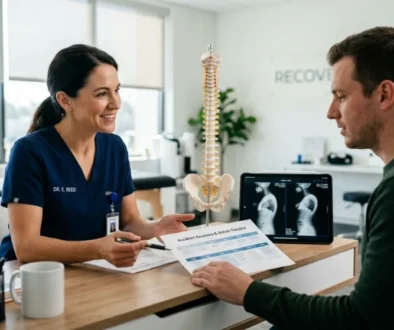
Your first clinical session begins with a comprehensive movement evaluation to identify specific mechanical restrictions and establish your safe baseline of physical tolerance. You should dress in comfortable, loose-fitting athletic wear that allows easy access to the area being treated. A typical manual therapy session lasts between 30 to 60 minutes. The direct cost of treatment generally ranges from $100 to $250 per session when paying out-of-pocket, depending on the complexity of the techniques required. However, many major health insurance plans cover physical and chiropractic manual therapy, reducing your typical copay to a range of $20 to $60. During the treatment, your clinician will apply precise manual pressure to specific joint segments or muscle groups. You may feel a deep, stretching sensation or a dull ache as tight tissues are mobilized, but the process should never cause sharp or radiating pain. An expert therapist will continuously ask for your feedback to ensure the pressure remains within your therapeutic comfort zone. After the hands-on portion, you will perform active, guided exercises to reinforce and stabilize the newly achieved mobility.
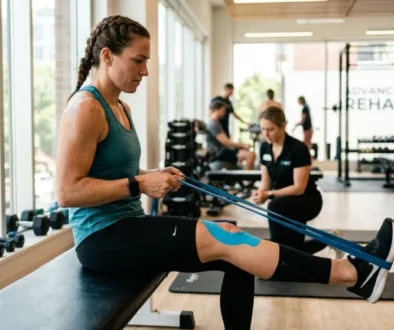
To maximize the benefits of your manual therapy sessions, consistency is essential. The hands-on treatment physically opens a window of improved joint mobility and reduced pain, but this window is temporary unless reinforced. By performing your prescribed home exercises immediately following your clinical sessions, you train your brain and nervous system to control and maintain this new range of motion. This active reinforcement transforms temporary symptomatic relief into permanent, functional physical improvement.
Identifying Safe Candidates and Contraindications
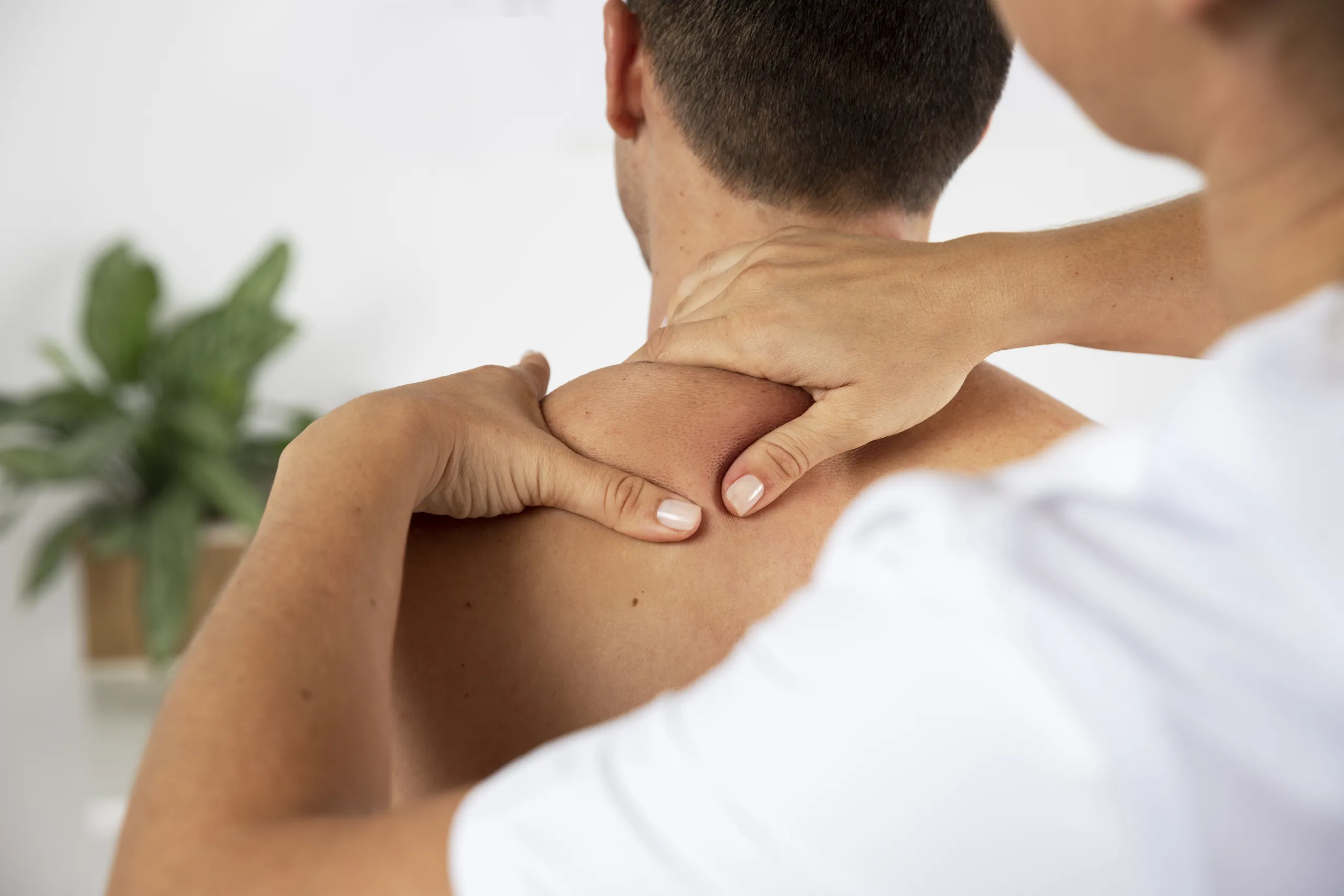
Safe candidates for manual therapy include individuals experiencing joint stiffness, mechanical back pain, muscle spasms, or post-surgical movement restrictions. However, this hands-on approach is not suitable for everyone, and a thorough medical screening is vital before initiating treatment. As experienced practitioners, we emphasize that performing vigorous mobilization on an unstable joint is a dangerous mistake. For patients diagnosed with severe osteoporosis, the risk of a bone fracture from clinical manual force is high, making gentle, non-force techniques a safer alternative. Other absolute contraindications include active localized infections, open wounds, acute deep vein thrombosis (DVT), bone malignancies, and advanced joint hypermobility syndromes like Ehlers-Danlos. If you are experiencing inflammatory flare-ups from rheumatoid arthritis, deep joint mobilization must be avoided until the acute inflammation subsides. During these highly sensitive periods, we shift our focus to gentle soft tissue techniques, swelling reduction, and low-force alignments to preserve joint health without causing further irritation.
Relative contraindications require the clinician to modify their approach to ensure patient safety. For example, if you have a mild disc herniation, a skilled manual therapist will avoid high-velocity thrusts in the lumbar region but may utilize gentle traction or nerve glides to decompress the area. If you are pregnant, manual therapy can be highly beneficial for lower back strain, but your therapist will avoid deep abdominal pressure and ensure you are positioned comfortably on your side. Open communication with your provider regarding your complete medical history, including any history of blood clots, bone density issues, or cardiovascular disease, ensures your hands-on therapy is tailored specifically to your body’s safe limits.
FAQ
What is the difference between manual therapy and physical therapy?
Manual therapy is not a separate profession; rather, it is a specialized subcategory of physical therapy. While physical therapy includes exercises, ultrasound, and electrical stimulation, manual therapy refers specifically to the hands-on techniques your therapist uses to mobilize joints and soft tissues.
Is manual therapy painful?
Manual therapy should not cause sharp or agonizing pain, though you may feel some mild discomfort or deep pressure as restricted tissues are released. Your clinician will continuously communicate with you to adjust their technique and keep the treatment within a tolerable, therapeutic range.
How many sessions of manual therapy will I need?
The number of sessions depends on the severity of your condition, your body’s natural healing speed, and how long you have experienced the symptoms. Many patients experience noticeable relief after 3 to 6 sessions, but chronic conditions may require ongoing care integrated with active rehabilitation.
Can manual therapy help with chronic back pain?
Yes, manual therapy is highly effective for chronic back pain by restoring motion to stiff spinal joints and relaxing protective muscle spasms. Combining these hands-on techniques with targeted core strengthening helps prevent future recurrences of back pain.
Which conditions respond best to manual therapy?
Conditions like tension headaches, shoulder impingement, hip stiffness, plantar fasciitis, and lower back strain respond exceptionally well to hands-on clinical care. It is particularly beneficial when joint stiffness is the primary factor limiting your daily movement.
Can a chiropractor perform manual therapy?
Yes, chiropractors frequently perform manual therapy alongside spinal adjustments to release tight muscles and maximize the effectiveness of the joint alignment. This multi-modal approach addresses both the skeletal and muscular components of your physical condition.