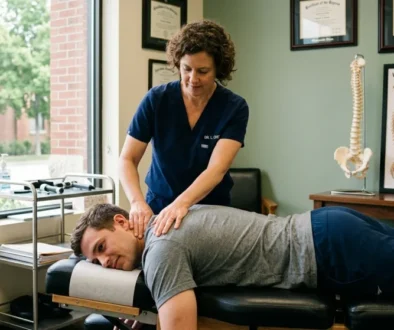

How Can a Chiropractor Help with Sciatica?
For acute structural pain caused by a compressed spinal nerve, choose chiropractic adjustments. For chronic muscle weakness and dynamic movement rehabilitation, choose targeted physical therapy. A chiropractor can help sciatica by addressing the structural misalignments that pinch the sciatic nerve at its source. If you are experiencing sharp, shooting pain radiating from your lower back down to your calf, an immediate physical assessment is your best next step. Combining non-invasive adjustments with targeted stretches provides the fastest path to long-term pain relief without resorting to spinal surgery or heavy prescription medications. In Libertyville, Illinois, our practitioners specialize in identifying the exact root cause of your nerve compression to build a custom recovery plan. Here is how chiropractic intervention resolves sciatic nerve pressure, relieves debilitating discomfort, and helps you safely reclaim pain-free mobility.
Key Takeaways
- Chiropractic adjustments directly relieve pressure on the sciatic nerve by realigning the lumbar spine and pelvic joints.
- Clinical studies show over 60 percent of sciatica patients experience the same level of relief from chiropractic care as they would from invasive spinal surgery.
- Complementary treatments like acupuncture and physical therapy accelerate local tissue healing and restore dynamic core strength.
- Seeking early professional intervention prevents permanent nerve damage, progressive muscle atrophy, and long-term mobility limitations.
How a Chiropractor for Sciatica Resolves Nerve Pain

Chiropractors treat sciatic nerve pain by correcting spinal subluxations that compress the nerve roots in your lower back. The sciatic nerve is the largest single nerve in your body. It runs from your lumbar spine, through your deep gluteal muscles, and down each leg. When a lumbar vertebra or your pelvis slips out of alignment, it can directly pinch this nerve. This compression triggers sharp, shooting pains that can make simple tasks like walking or sitting unbearable.
A skilled chiropractor for sciatica uses controlled, precise adjustments to restore proper joint mechanics in the lower back. Gentle manual manipulation reduces joint inflammation and relieves mechanical pressure on the delicate nerve fibers. This hands-on realignment promotes natural healing without the use of pharmaceutical painkillers. Over time, consistent chiropractic care allows the surrounding tissues to relax. This decreases painful muscle spasms and restores your body’s natural range of motion.
During a typical adjustment, you might feel a gentle pressure or hear a soft popping sound. This sound is simply the release of tiny gas bubbles from within your spinal joints. This process immediately decreases pressure on the surrounding nerves and improves local blood circulation. Many patients feel a noticeable release of tension immediately following their first few adjustments.
Underlying Causes of Sciatic Nerve Irritation

Sciatic nerve pain is a symptom of an underlying mechanical issue rather than a standalone medical condition. A herniated or bulging disc is the most common cause of sciatic nerve compression. When the soft inner gel of a spinal disc leaks out, it presses against the adjacent nerve roots. This causes chemical irritation and physical pinching that sends pain signals down your leg.
Other common causes of this discomfort include:
- Spinal Stenosis: A gradual narrowing of the spinal canal that puts pressure on the spinal cord and nerves.
- Spondylolisthesis: A condition where one lower vertebra slips forward over the bone below it, distorting the nerve pathway.
- Piriformis Syndrome: Spasms in the piriformis muscle that compress the sciatic nerve directly in the buttocks.
- Pregnancy: Rapid weight shifts and hormonal changes that loosen pelvic ligaments and alter spinal alignment.
Identifying the exact source of your nerve compression is vital for creating an effective care plan. Treating a piriformis muscle issue requires different therapeutic techniques than managing a severe L5-S1 disc herniation. An experienced practitioner will use physical exams and diagnostic imaging to target the true source of your pain.
What to Expect from a Sciatica Chiropractor Treatment Plan
Your initial visit to a sciatica chiropractor begins with a comprehensive orthopedic and neurological examination. Your practitioner will test your deep tendon reflexes, check your muscle strength, and evaluate your range of motion. They may also request digital X-rays to visualize your spinal alignment and rule out more serious skeletal issues. This detailed assessment ensures your treatment plan is completely customized to your unique spinal structure.
Once your practitioner confirms your diagnosis, your treatment plan will likely include several specialized modalities. In addition to gentle spinal adjustments, your chiropractor might utilize flexion-distraction therapy. This specialized, hands-on technique uses a moving table to gently stretch the spine. This motion creates a gentle negative pressure within the spinal discs, helping to pull herniated disc material away from the compressed nerve.
The average cost of a chiropractic adjustment session typically ranges from $65 to $150, depending on the complexity of the treatment. Some clinics also incorporate cold-laser therapy or ultrasound to reduce deep tissue inflammation. Over several weeks, these therapies work together to reduce your pain and restore normal nerve function. Your chiropractor will also monitor your progress and adjust your treatment frequency as your mobility improves.
Chiropractic Adjustments vs. Physical Therapy for Sciatic Pain

Selecting the correct therapeutic approach depends on whether your pain stems from structural joint misalignments or muscular imbalances. Chiropractic care focuses heavily on joint mobility, skeletal alignment, and immediate mechanical decompression of the nervous system. Physical therapy prioritizes muscle strengthening, posture correction, and rebuilding functional movement patterns.
Many patients find that a combined approach offers the most complete recovery. For example, manual spinal adjustments can relieve the acute, sharp nerve pain first. Once the sharp pain subsides, physical therapy exercises strengthen the core muscles to keep the spine in its proper position. This dual approach addresses both the bone alignment and the muscle strength supporting it.
The following table outlines the key differences between these highly effective conservative treatment methods:
| Therapy Type | Primary Clinical Focus | Common Treatment Modalities | Ideal For |
|---|---|---|---|
| Chiropractic Care | Skeletal alignment, joint mobilization, and direct nerve decompression | Spinal adjustments, mechanical traction, and manual therapy | Acute nerve pain, spinal misalignments, and joint stiffness |
| Physical Therapy | Muscle strengthening, core stabilization, and movement correction | Therapeutic exercise, active stretching, and functional training | Muscular imbalances, long-term rehab, and post-injury recovery |
| Acupuncture | Pain modulation, local blood circulation, and tissue healing | Fine needle insertion, electroacupuncture, and trigger point therapy | Chronic nerve pain, muscle spasms, and systemic inflammation |
| Combined Care | Holistic structural alignment paired with active muscular support | Coordinated adjustments, targeted exercise, and soft tissue release | Complex sciatica cases, chronic issues, and preventing re-injury |
Safety and Efficacy of Sciatica Chiropractic Care
Chiropractic care is widely recognized as a safe, drug-free, and non-invasive treatment option for sciatica. A landmark clinical trial published in the Journal of Manipulative and Physiological Therapeutics found that 60 percent of patients with severe sciatica who had not found relief from other medical options improved with spinal manipulation to the same degree as those who underwent spinal surgery. This highlights the power of conservative care for avoiding surgical risks.
However, safety relies on receiving an accurate diagnosis before starting any physical treatment. An experienced practitioner knows when to adjust and when to refer a patient to a specialist. One major professional mistake to avoid is attempting aggressive self-stretching or using heavy inversion tables without a formal diagnosis. If you have a severe disc herniation, some popular lower back stretches can actually worsen your nerve compression.
Always consult a licensed professional before attempting to exercise through severe radiating leg pain. If you experience progressive leg weakness, foot drop, or changes in bowel or bladder control, seek emergency medical care immediately. These symptoms represent medical emergencies that require immediate surgical evaluation.
Alternative and Complementary Therapies for Lower Back Pain
Integrating multiple non-invasive therapies can significantly speed up your recovery from sciatic nerve irritation. While spinal adjustments correct bone alignment, soft tissues also require targeted care. Combining chiropractic sessions with massage therapy helps relax tight muscles that squeeze the sciatic nerve.
You can read more about how specialized soft tissue work provides relief by exploring whether massage therapy for sciatica is right for your recovery plan. Massage therapy increases local blood flow, which brings oxygen and essential nutrients to damaged nerve tissues. This accelerated blood flow helps clear away inflammatory cellular waste products.
Additionally, the National Institutes of Health supports the use of acupuncture for managing various forms of chronic musculoskeletal pain, including sciatica. Acupuncture stimulates your body’s natural endorphins, reducing pain signals sent to your brain and relaxing deep muscle fibers. This ancient technique works hand-in-hand with chiropractic adjustments to keep you moving pain-free.
Step-by-Step Recovery Timeline Under Professional Care
Your path to healing from sciatica is a gradual process that requires consistent therapeutic effort. While some patients feel immediate relief after their first adjustment, true tissue healing takes time. Here is what you can generally expect during a standard chiropractic and physical rehabilitation program:
- Weeks 1 to 2 (Acute Phase): The primary focus is reducing severe pain and localized inflammation. Your chiropractor will perform gentle adjustments and may use cold therapies or light traction to take pressure off the sciatic nerve.
- Weeks 3 to 6 (Sub-Acute Phase): As sharp pain decreases, treatments shift toward restoring joint mobility. You will begin gentle, guided stretches to improve flexibility in your hamstrings, hips, and lower back.
- Weeks 7 to 12 (Strengthening Phase): Once the nerve is no longer inflamed, you will focus on core stabilization. Under supervision, you will perform exercises to build support around your spine and prevent future slippage.
- Maintenance Phase: After full recovery, occasional check-ups help maintain pelvic alignment. Your practitioner will provide customized ergonomic advice for your daily work and exercise routines.
FAQ
Can a chiropractor help with sciatica?
Yes, a chiropractor can effectively help with sciatica by performing precise spinal adjustments. These realignments reduce pressure on the compressed nerve roots in the lower back, which relieves pain and restores mobility.
How long does it take for a chiropractor to fix sciatica?
Most patients begin to feel noticeable pain relief within two to four weeks of regular chiropractic sessions. Complete resolution of severe sciatica symptoms may take between eight to twelve weeks, depending on the severity of the spinal misalignment or disc issue.
Is chiropractic care safe for a herniated disc causing sciatica?
Yes, chiropractic care is highly safe for herniated discs when performed by a licensed practitioner who has reviewed your diagnostic imaging. Chiropractors use gentle, low-force techniques and spinal decompression to relieve pressure on the nerve without worsening the herniation.
What is the success rate of chiropractic care for sciatica?
Clinical studies show that approximately 60 percent of patients with severe sciatic pain experience significant improvement from chiropractic adjustments. This success rate matches the outcomes of surgical interventions without the associated risks or long recovery times.
When should you not see a chiropractor for sciatica?
You should avoid chiropractic adjustments and seek immediate medical emergency care if you experience progressive leg weakness, a loss of bowel or bladder control, or numbness in your groin area. These symptoms suggest a serious neurological condition that requires surgical assessment.