
How Acupuncture May Help Reduce Migraine Frequency and Pain
For chronic migraine sufferers looking to break the cycle of debilitating pain without relying on heavy daily medications — choose acupuncture as a primary preventive therapy. For individuals experiencing sudden, severe, and acute-onset head pain who need immediate, temporary chemical relief — prescription triptans remain the conventional choice, but integrating consistent acupuncture sessions offers superior long-term reduction in overall attack frequency. Can acupuncture help with migraines? Clinical evidence and real-world chiropractic and wellness practice show a resounding yes. By targeting specific neuromuscular pathways and calming an overactive nervous system, this time-tested modality naturally reduces both the severity and duration of painful episodes. Rather than merely masking the symptoms, it addresses the underlying inflammatory and vascular triggers that spark migraines in the first place. At our Libertyville office, we frequently see patients transition from feeling completely helpless during a flare-up to regaining control over their schedules, work, and family life. If you want a drug-free, holistic strategy that stops migraines before they start, scheduling a specialized acupuncture regimen is your best path forward.
Key Takeaways
- Significant Frequency Reduction: Clinical studies show that regular acupuncture sessions can cut migraine frequency in half for nearly 60% of patients.
- Dual-Action Pain Management: The treatment works by releasing natural pain-relieving endorphins and regulating blood flow around the brain.
- Fewer Medication Side Effects: It serves as an excellent, drug-free alternative or complement to preventative prescription medications.
- Long-Lasting Benefits: The positive effects of a comprehensive acupuncture treatment plan often persist for six months or longer after the final session.
- Holistic Integration: Combining acupuncture with lifestyle adjustments and chiropractic adjustments offers the most robust defense against chronic head pain.
Scientific Evidence Supporting Acupuncture and Migraines Relief
Extensive clinical research proves that acupuncture and migraines have a deeply connected therapeutic relationship. A major systematic review published by the Cochrane Collaboration analyzed 22 clinical trials involving 4,985 patients. The researchers found that regular acupuncture sessions reduced headache frequency by 50% or more in 59% of participants, a preventative effect that lasted for at least six months. This rate of improvement closely mirrors the efficacy of standard pharmaceutical preventatives but without the typical side effects like fatigue, brain fog, or weight gain.
According to statistics shared by the American Migraine Foundation, migraines affect roughly 39 million Americans, impacting up to 30% of women during their peak productive years. Traditional medicine often relies on daily preventative medications, which many patients abandon due to poor tolerability. Acupuncture offers a highly tolerable, natural alternative. The World Health Organization officially lists headache and migraine relief among the conditions for which acupuncture has been proven effective through controlled clinical trials. By choosing a natural path, you are not just treating symptoms; you are encouraging your nervous system to self-regulate and reduce its sensitivity to common environmental and physiological triggers.
What to Expect When Receiving Acupuncture for Migraines

Walking into a clinic for the first time can feel intimidating, especially when you are already dealing with the stress of chronic pain. When you seek out high-quality acupuncture, the process begins with an in-depth clinical consultation. Your practitioner will analyze your specific pain patterns, sleep habits, stress levels, and dietary triggers. This diagnostic phase allows the acupuncturist to map out a personalized protocol tailored to your unique presentation, rather than using a one-size-fits-all approach.
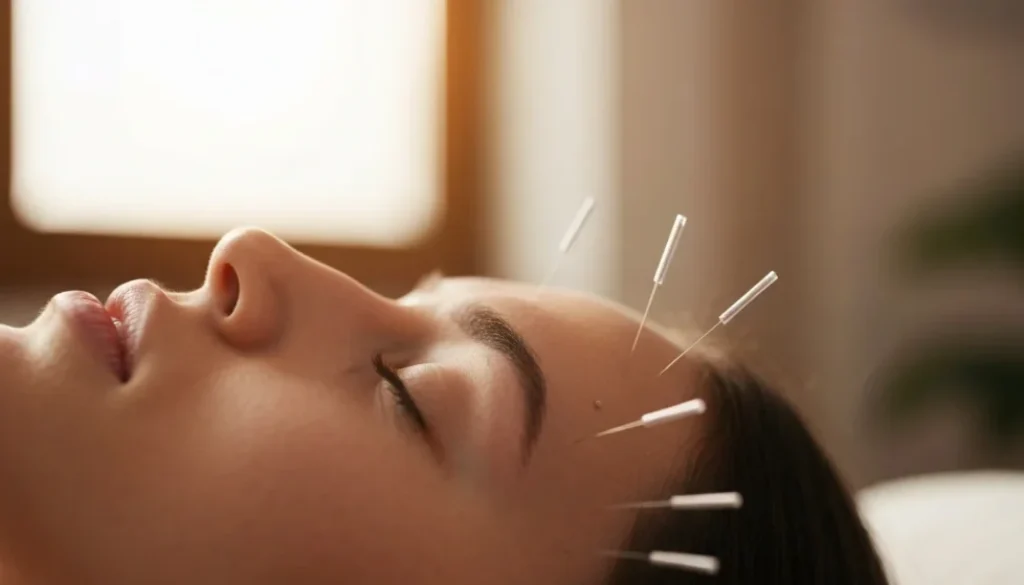
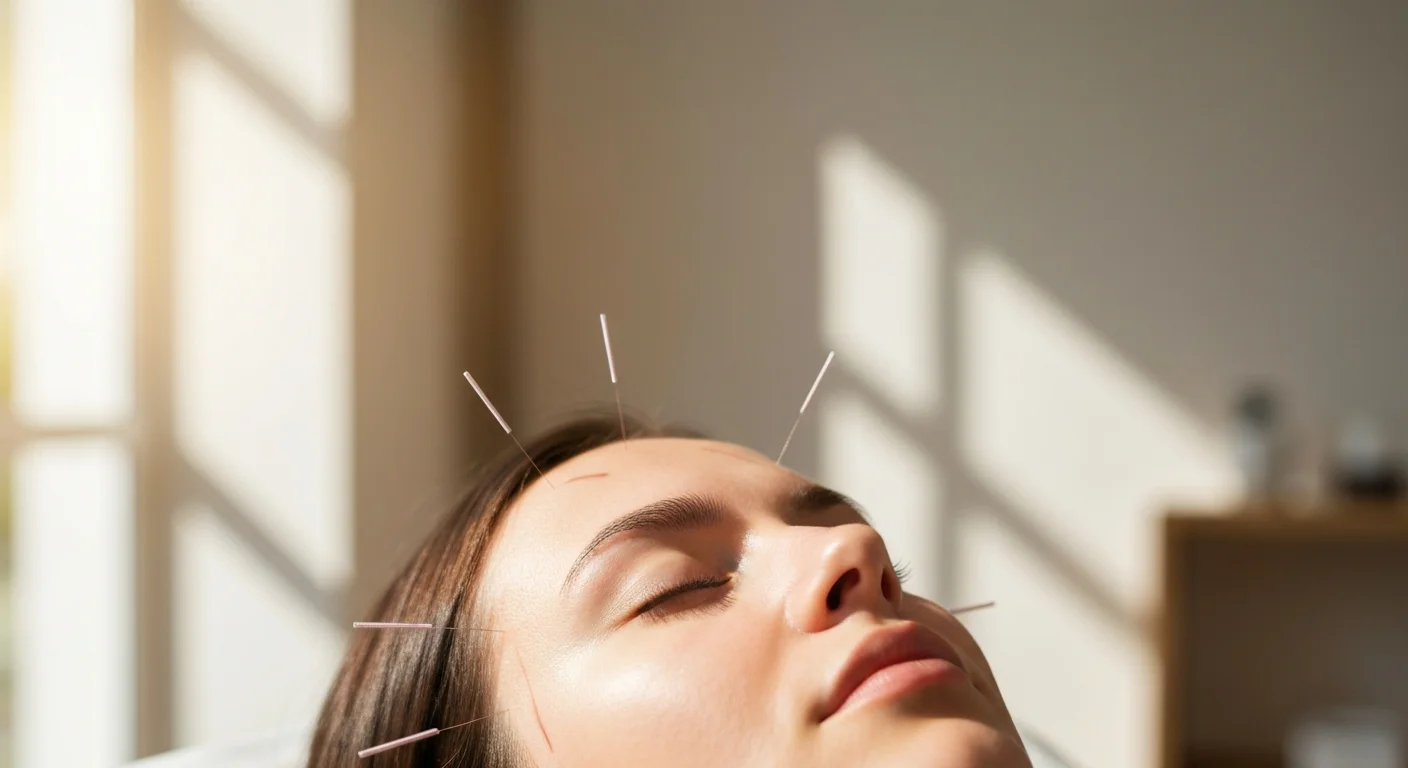
During the active session, you will lie comfortably on a padded treatment table while the practitioner inserts ultra-thin, sterile, single-use filament needles into specific meridian points. These points are not just located on your head; they are often distributed on your hands, feet, and lower legs. You might feel a brief, mild pinch upon insertion, followed by a dull, heavy, or tingling sensation known as “de-qi.” This sensation indicates that the nervous system is actively responding to the stimulus.
The needles typically remain in place for 20 to 30 minutes while you relax in a quiet, dimly lit room. Most patients find this deeply soothing, with many even falling asleep during their care. A standard initial protocol usually involves one to two sessions per week for six to eight weeks, gradually tapering down as your migraine frequency decreases.
The Neurological Mechanism: How Needles Calm the Brain
While ancient tradition explains acupuncture through the balancing of vital energy or “qi,” modern medical science explains it through neurobiology. Migraines are fundamentally characterized by sensory hypersensitivity, neurogenic inflammation, and changes in the cranial blood vessels. Acupuncture directly counters these mechanisms by stimulating peripheral nerves, which send signals to the spinal cord and brain. This stimulation triggers the release of endogenous opioids — such as endorphins, enkephalins, and dynorphins — which act as the body’s natural, built-in painkillers.
Furthermore, laboratory studies demonstrate that acupuncture helps regulate calcitonin gene-related peptide (CGRP), a key neuropeptide involved in the transmission of migraine pain. During an attack, CGRP levels spike, causing blood vessels in the brain to dilate and inflame. Regular acupuncture has been shown to downregulate CGRP plasma levels, helping to stabilize blood vessels and prevent the painful throbbing sensation.
Additionally, the treatment mitigates cortical spreading depression, which is a slow-moving wave of electrical activity across the brain’s cortex responsible for the visual disturbances and sensory “auras” that many migraineurs experience. By balancing the autonomic nervous system — shifting you out of a sympathetic “fight-or-flight” state and into a parasympathetic “rest-and-digest” state — acupuncture lowers systemic stress, raising your threshold against future triggers.
Comparing Migraine Treatment Options
Navigating the world of migraine management can be overwhelming because there are so many different paths you can take. While some patients find success with a single approach, many discover that a combination of holistic therapies yields the most sustainable relief. Understanding the pros, cons, and primary goals of each method helps you make an informed decision for your long-term wellness.
The following table compares the most common migraine management strategies currently available to patients:
| Treatment Method | Primary Goal | Common Side Effects & Risks | Long-Term Sustainability |
|---|---|---|---|
| Acupuncture | Reduces frequency, intensity, and duration of attacks naturally. | Minimal; occasional mild bruising or temporary soreness. | Excellent; benefits persist long after active treatment ends. |
| Preventative Drugs | Daily oral medication to reduce the frequency of attacks. | Brain fog, fatigue, weight gain, sleep disturbances. | Moderate; patients often discontinue use due to side effects. |
| Acute Medications | Stops an active migraine attack once it has already started. | Nausea, chest tightness, medication-overuse rebound headaches. | Low; does not prevent future attacks and can cause dependency. |
| Chiropractic Care | Resolves cervical spine tension and nerve irritation contributing to headaches. | Temporary mild muscle soreness after adjustments. | High; addresses biomechanical triggers and improves posture. |
Each of these approaches targeting migraines has a specific role to play. For example, while acute medications are highly effective at halting an active, blinding headache, they do nothing to address the structural or neurological vulnerabilities that allowed the headache to develop in the first place. This is why natural preventative strategies are so crucial for long-term health.
Common Mistakes to Avoid with Acupuncture for Migraines Treatment
As experienced practitioners, we often see patients approach acupuncture with the expectation of an instant, one-time cure. The most common professional mistake to avoid is stopping your treatment plan too early. A single session of acupuncture can indeed help soothe an active headache, but the true therapeutic power of this modality lies in its cumulative effect. Expecting your migraines to vanish permanently after one or two visits is like expecting to run a marathon after two jogging sessions. Your nervous system requires time, repetition, and consistent stimulation to remodel its pain pathways and lower its overall reactivity.
To get the most out of your care, we recommend committing to an initial block of six to eight weekly sessions before evaluating your progress. Keep a detailed headache journal during this time to track the frequency, duration, and intensity of any breakthroughs. Another pitfall is neglecting to verify the credentials of your provider. Always ensure your practitioner is a Licensed Acupuncturist (L.Ac.) certified by the National Commission for Certification of Acupuncture and Oriental Medicine (NCCAOM).
Regarding financial expectations, acupuncture prices typically range from $85 to $160 per session across the United States. Many major health insurance providers now recognize the clinical efficacy of acupuncture for migraines and offer partial or full coverage, so it is always wise to verify your benefits with your clinic beforehand.
Integrating Acupuncture with Chiropractic Care for Complete Relief
A multidisciplinary approach is often the most successful strategy for conquering chronic head pain. Many migraines are triggered or exacerbated by cervical spine misalignment, poor posture, and muscle tension in the upper neck and shoulders. When the joints in your neck are restricted, they irritate the suboccipital nerves that travel up into your scalp, mimicking or intensifying migraine symptoms. By pairing spinal adjustments with targeted acupuncture, we address both the structural and neurological roots of your pain.
For patients debating between acupuncture vs chiropractor options, the reality is that combining these two modalities often yields the best outcomes. At Cross-Up Chiropractic in Libertyville, IL, our clinical team focuses on identifying structural misalignments in the neck while simultaneously using acupuncture to calm the nervous system and reduce muscular spasms. This dual approach provides rapid relief from active tension while building long-term resilience against future migraine triggers. By aligning the spine, we take physical pressure off the nervous system, allowing the therapeutic neural signals triggered by acupuncture to flow freely and work even more effectively.
Practical Lifestyle Changes to Support Your Acupuncture Journey

While acupuncture is a highly potent tool for calming an overactive nervous system, its benefits are amplified when paired with healthy daily habits. Think of acupuncture as resetting your body’s computer, while your daily habits are the software updates that keep it running smoothly. Identifying and managing your specific migraine triggers is a crucial step in this process.
Here is a practical, numbered checklist of lifestyle adjustments to implement during your treatment plan:
- Maintain a Consistent Sleep Schedule: Going to bed and waking up at the exact same time every day, even on weekends, helps stabilize your circadian rhythms and prevents sleep-deprivation headaches.
- Hydrate Intentionally: Dehydration is one of the most common, easily avoidable migraine triggers. Aim to drink half your body weight in ounces of water daily.
- Track Food Sensitivities: Certain foods containing histamines, tyramine, or artificial additives (like aged cheeses, cured meats, and monosodium glutamate) can spark inflammation. Consider keeping a food diary to notice any patterns.
- Incorporate Stress Management: Daily practices like deep diaphragmatic breathing, progressive muscle relaxation, or gentle yoga help keep your sympathetic nervous system from spiking.
- Optimize Your Ergonomics: Poor desk posture puts excessive strain on your cervical spine, triggering tension that can escalate into a migraine. Adjust your computer monitor to eye level and take frequent movement breaks.
By pairing these simple, everyday changes with regular clinical care, you give your body the resources it needs to heal, repair, and maintain long-term balance.
FAQ
Can acupuncture help with migraines instantly during an active attack?
Yes, acupuncture can help reduce the severity of an active migraine attack by promoting rapid blood flow regulation and releasing natural pain-blocking endorphins. However, it is most effective when used as a preventative therapy to reduce the frequency and intensity of future attacks before they even begin. For the best results, patients should seek treatment early in the prodrome phase of an oncoming headache.
How many acupuncture sessions are needed for migraine relief?
Most patients require an initial protocol of one to two sessions per week for six to eight weeks to see significant, long-lasting improvements. After this initial loading phase, many individuals transition to a monthly maintenance schedule to keep their nervous system balanced and prevent future flare-ups. Your specific timeline will depend on how long you have suffered from migraines and the severity of your symptoms.
Is acupuncture safe for people with chronic migraines?
Yes, acupuncture is an exceptionally safe, drug-free therapy when performed by a licensed, certified practitioner using sterile, single-use needles. Unlike daily preventative pharmaceuticals, it does not cause systemic side effects like brain fog, fatigue, liver strain, or weight gain. It is highly recommended for patients who cannot tolerate traditional migraine medications or who wish to avoid pharmaceutical dependency.
Which acupuncture points are used for migraines?
Acupuncturists use a combination of local points on the head and neck, along with distal points on the hands, feet, and ears to regulate the nervous system. Common distal points include Large Intestine 4 (located on the hand between the thumb and index finger) and Liver 3 (located on the top of the foot). Using distal points helps draw the overactive energy and pressure away from the head, providing deep systemic relief.
What should I do after an acupuncture session for headaches?
After your session, you should drink plenty of water to help flush out metabolic waste and keep your tissues hydrated. It is best to avoid intense physical workouts, heavy alcohol consumption, or high-stress environments immediately after treatment to allow your nervous system to stay in a relaxed state. Rest quietly, eat a nourishing meal, and let the therapeutic effects of the session integrate into your body.
Can acupuncture completely cure migraines permanently?
While there is no permanent cure for the genetic and neurological predisposition to migraines, acupuncture can drastically reduce their frequency and intensity to the point where they no longer disrupt your life. Many patients go from having multiple debilitating attacks per week to only experiencing occasional, mild headaches that are easily managed. Combining acupuncture with proper lifestyle habits and cervical spine care offers the closest thing to a long-term solution.