Knee Pain and Chiropractic Care: Can a Chiropractor Really Help?
For joint misalignment, chronic overuse injuries, and osteoarthritis, choosing chiropractic care combined with targeted physical rehabilitation is your best path to long-term relief. For severe, acute structural trauma such as a complete ligament tear, consulting an orthopedic surgeon remains the necessary choice. Non-invasive chiropractic therapies restore correct biomechanics and relieve pressure on the joint, whereas surgery physically reconstructs damaged tissue.
Correcting the alignment of your hips, pelvis, and feet directly unloads the knee joint. This resolves the root mechanical issues rather than simply masking the symptoms with temporary medications. If your knee pain stems from wear, runner’s knee, or mild degenerative joint disease, chiropractic treatments can help you avoid invasive procedures. By addressing the entire lower kinetic chain, a practitioner ensures that your body distributes weight evenly. This limits friction on delicate joint cartilage and reduces local inflammation. Here is how specialized chiropractic care addresses the mechanical, structural, and alignment issues that trigger knee pain.
How Can a Chiropractor Help with Knee Pain Safely?
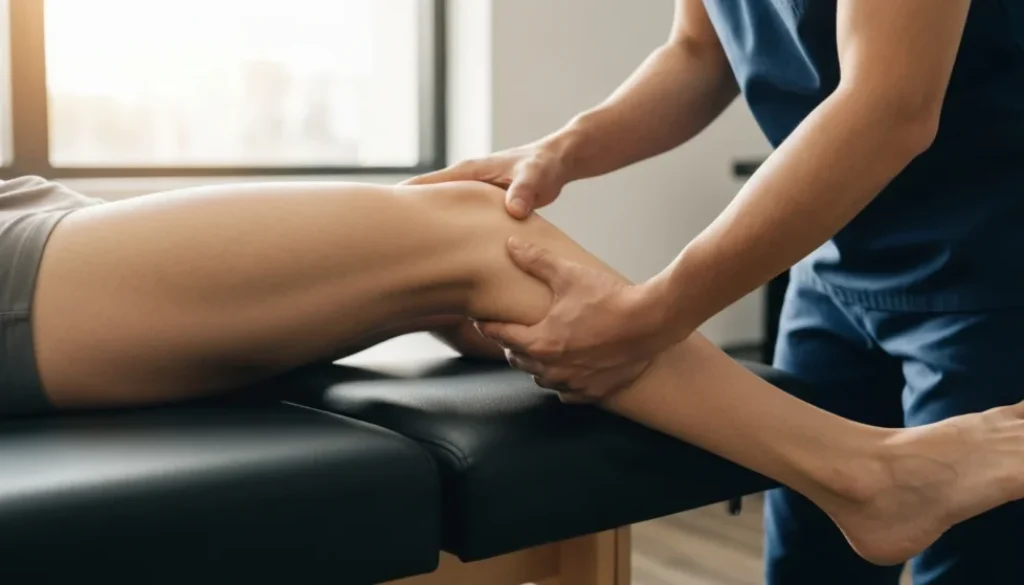
A chiropractor targets the mechanical dysfunction that places undue stress on your lower extremities. When your pelvis, hips, or feet are misaligned, your walking gait changes to compensate. This shift forces the knee joint to absorb uneven weight, causing friction, inflammation, and accelerated wear. By utilizing targeted adjustments, a chiropractor restores proper alignment to your entire lower body.
This whole-body approach unloads pressure from the sensitive cartilage inside the joint. If you seek specialized local care, scheduling an appointment with a chiropractor for knee pain can significantly improve your recovery timeline. Rather than merely masking pain with cortisone shots, chiropractic care targets the structural imbalances that caused the pain initially. This treatment also stimulates the nervous system, which helps reduce localized swelling and muscle spasms. Through gentle, controlled mobilizations, practitioners restore healthy joint glide. This allows you to walk, run, and climb stairs without restriction.
The Biomechanics of the Knee Joint and the Lower Kinetic Chain
The knee is not an isolated joint, but rather a crucial link in your lower kinetic chain. Located between the hip and the foot, the knee is a hinge joint designed for flexion and extension. It has very little capacity to tolerate rotation or lateral shearing forces. When your ankle joint pronates excessively or your hip muscles are weak, your knee joint must twist to compensate.
This abnormal twisting strains the ligaments, including the anterior cruciate ligament (ACL) and the medial collateral ligament (MCL). Over time, these improper forces damage the shock-absorbing meniscus cartilage. A study published by the National Center for Biotechnology Information shows that poor lower-limb mechanics directly accelerate joint degeneration. A chiropractor analyzes your walking gait to spot these biomechanical failures. By correcting pelvic tilts and ankle instability, we stop the destructive twisting forces before they cause permanent joint damage. This kinetic chain approach ensures long-term pain relief and preserves your mobility as you age.
Does a Chiropractor Help with Knee Pain from Osteoarthritis?
Chiropractic treatment offers exceptional, non-invasive relief for osteoarthritic knee joints. Osteoarthritis affects more than 32.5 million adults in the United States, according to the Centers for Disease Control and Prevention. This degenerative condition occurs when the protective cartilage on the ends of your bones wears down over time.
While chiropractic care cannot regenerate lost cartilage, it can dramatically reduce pain by improving joint space and fluid movement. Gentle mobilization techniques help distribute synovial fluid, which lubricates the joint and delivers nutrients to the remaining cartilage. A clinical trial tracked by the National Institutes of Health revealed that patients receiving manual physical therapies experienced up to a 60% improvement in functional mobility. Combining these manual therapies with targeted exercise provides the best defense against progressive joint degeneration. For comprehensive information on managing joint wear, you can read about how physical therapy helps arthritis to understand how movement therapies rebuild stability.
Common Underlying Causes of Knee Joint Dysfunction
Knee pain rarely starts overnight without a specific mechanical trigger. Most cases stem from chronic, low-grade stress that slowly wears down the joint structures. A chiropractor looks at your daily habits, footwear, and posture to determine why your knee joint is under stress.
- Patellofemoral Pain Syndrome: Commonly called runner’s knee, this causes pain around or behind the kneecap. It occurs when the kneecap does not track smoothly within its femoral groove. This is usually due to tight thigh muscles or weak hips.
- Iliotibial (IT) Band Syndrome: This triggers sharp pain on the outer side of the knee. This issue affects runners and cyclists when a tight band of connective tissue rubs repeatedly against the outer knee bone.
- Patellar Tendinitis: This involves inflammation of the tendon connecting your kneecap to your shinbone. This overuse injury is common in athletes who perform frequent jumping or running.
- Meniscus Wear and Tear: Mild meniscus tears or degenerated cartilage can cause clicking, catching, and deep aching. While severe, fully locked tears require surgical repair, minor tears respond exceptionally well to manual traction and mobilization.
Advanced Chiropractic Treatment Methods for Relieving Knee Pain
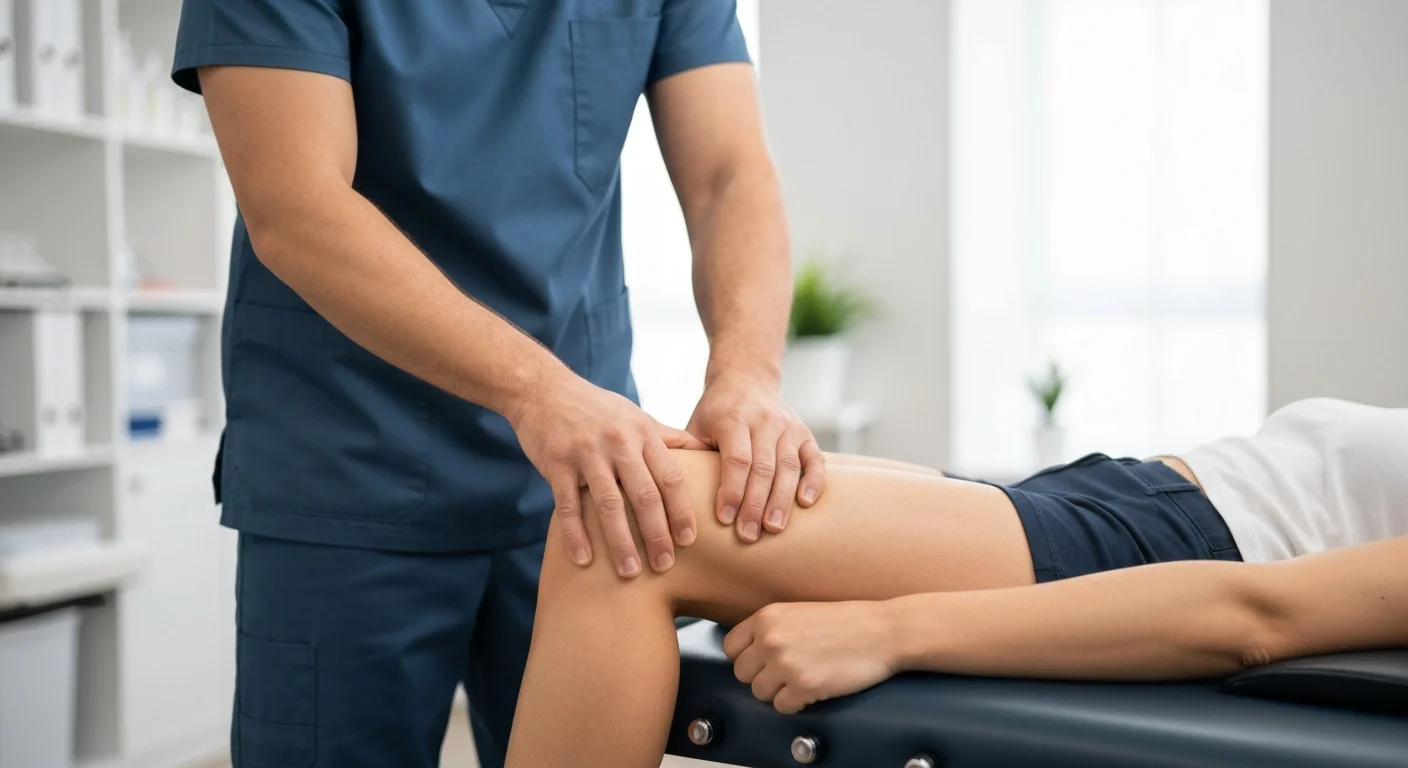
Chiropractors use a versatile toolset of non-invasive therapies to resolve knee pain. Every patient receives a customized plan based on their specific physical assessment and goals. By integrating multiple modalities, we address both the joint alignment and the surrounding soft tissues.
- Manual Joint Mobilization: Gentle, controlled movements applied directly to the knee joint. This technique restores proper gliding mechanics and breaks up restrictive scar tissue.
- Myofascial Release: Specialized deep tissue therapy that targets trigger points in the quadriceps, hamstrings, and calves. Releasing these tight muscle groups immediately reduces the pulling forces on the kneecap.
- Spinal and Pelvic Adjustments: Correcting alignment in the lower back and pelvis. This ensures that weight is distributed evenly across both legs, reducing the workload on the injured knee.
- Cold Laser Therapy: This non-invasive treatment uses specific wavelengths of light to penetrate deep into the joint tissues. It accelerates cellular repair and reduces deep-seated inflammation.
- Therapeutic Exercise: Guided stretching and strengthening protocols. These target the vastus medialis obliquus (VMO) muscle, which is critical for proper kneecap tracking.
Comparing Knee Pain Relief Options

Understanding your treatment options is crucial for making an informed healthcare decision. Many patients feel pressured to choose invasive options before exploring conservative, drug-free pathways. According to research published by the British Medical Journal, conservative physical interventions save patients an average of $2,500 to $4,000 per episode of care compared to early surgical referrals.
The following table compares the main treatment methods available in 2026.
| Treatment Option | Primary Focus | Recovery Time | Average Cost Range |
|---|---|---|---|
| Chiropractic & Rehab | Restores alignment & muscle balance | Immediate (No downtime) | $60 – $150 per session |
| Cortisone Injections | Temporary inflammation reduction | 1 – 2 days | $300 – $800 per injection |
| Prescription Medications | Masks pain symptoms chemically | Ongoing use required | $20 – $200 monthly |
| Orthopedic Surgery | Structurally repairs or replaces joint | 3 – 12 months | $15,000 – $45,000+ |
What to Expect During Your First Chiropractic Consultation
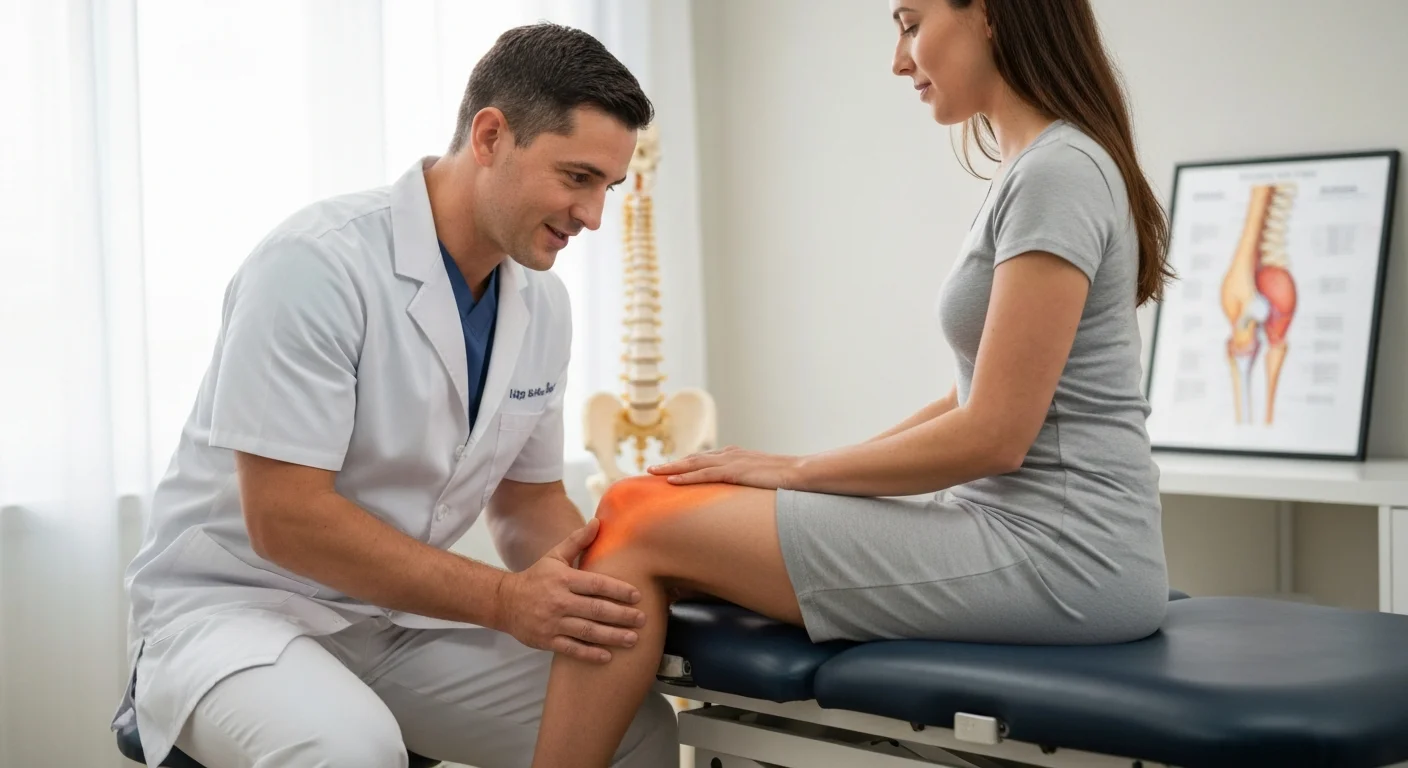
Your initial visit to a chiropractic clinic focuses on identifying the true source of your discomfort. At Cross-Up Chiropractic in Libertyville, IL, we begin with a comprehensive diagnostic evaluation rather than just examining the knee in isolation. Your practitioner will review your medical history, current activity level, and past injuries.
Next, we perform a detailed physical assessment, analyzing your standing posture, pelvic balance, and ankle stability. We also evaluate your walking gait to see how your joints move in real-time. If necessary, we utilize digital X-rays to assess the joint space inside your knee. This clear visual data helps us rule out severe bone-on-bone degeneration or fractures. Once we have a clear diagnosis, we build a personalized treatment plan tailored to your lifestyle. Chiropractic adjustments typically cost between $60 and $150 per session. If your condition requires custom orthotics to correct your gait, these range from $300 to $600. Our transparent, evidence-based approach ensures you understand every step of your recovery.
Professional Recommendations and Common Mistakes to Avoid
As experienced practitioners, we see many patients make critical mistakes before seeking professional care. One of the most common errors is relying too heavily on over-the-counter knee braces. While a cheap neoprene sleeve can offer temporary comfort, it often acts as a crutch. Over-reliance on braces weakens the stabilizing muscles around your knee, which actually increases joint instability over time.
Another major mistake is completely stopping all physical activity. Rest is important during the acute phase of an injury, but prolonged immobilization starves the joint cartilage of nutrients. Cartilage relies on movement and gentle compression to absorb synovial fluid. Instead of complete rest, we recommend low-impact activities like swimming or cycling to maintain joint health. Finally, never ignore hip tightness or ankle stiffness. If these neighboring joints do not move properly, your knee will inevitably pay the price. Always seek a comprehensive assessment that evaluates your entire lower body.
FAQ
Can a chiropractor help with chronic knee pain?
Yes, a chiropractor can help with chronic knee pain by identifying and correcting alignment issues in your hips, pelvis, and feet. This reduces the mechanical pressure on your knee joint, allowing it to heal naturally without drugs or surgery.
How many chiropractic sessions will I need for knee relief?
Most patients experience noticeable pain relief within four to six visits, though your specific timeline depends on the severity of your condition. Chronic issues like advanced osteoarthritis may require ongoing monthly maintenance sessions to preserve joint mobility.
Is chiropractic care safe for a meniscus tear?
Yes, chiropractic care is highly effective for mild to moderate meniscus tears that do not cause the joint to lock completely. Gentle mobilization, manual traction, and targeted quadriceps strengthening help stabilize the knee while the tear heals.
Can a misaligned hip cause severe knee pain?
Absolutely, a misaligned hip or pelvic tilt alters the angle at which your thigh bone meets your shinbone. This structural imbalance forces the knee joint to twist, causing chronic wear, ligament strain, and localized pain on one side of the knee.
What is the average cost of chiropractic care for knee issues?
Standard chiropractic adjustments generally range from $60 to $150 per session. If your custom treatment plan requires diagnostic X-rays or custom orthotics, these services will add to your initial investment, though many health insurance plans offer partial coverage.
When should I avoid going to a chiropractor for knee pain?
You should avoid chiropractic adjustments and seek immediate emergency medical care if you have an open fracture, active joint infection, or severe swelling accompanied by an inability to bear weight. These symptoms typically indicate a complete ligament rupture or bone fracture.
Disclaimer: The information provided in this article is for educational purposes only and should not replace professional medical advice. Always consult with a licensed chiropractor or healthcare provider to receive a personalized evaluation and treatment plan for your specific condition.