What Is Acupuncture and How Does It Work?
When you’re dealing with persistent pain, stress, or other health challenges, you might wonder about alternative therapies like acupuncture. So, how does acupuncture work? Acupuncture works by stimulating specific points on your body, often with very thin needles, to activate your body’s natural healing capabilities and restore balance. This ancient practice, rooted in Traditional Chinese Medicine (TCM), primarily influences the nervous system to release natural painkillers like endorphins, reduce inflammation, and enhance circulation. Modern scientific understanding also points to its effects on connective tissue and muscle relaxation, making it an effective therapy for a wide range of conditions without relying on medication. At Cross-Up Chiropractic in Libertyville, IL, we integrate acupuncture into a comprehensive care plan, often alongside chiropractic adjustments and physical therapy, to address the root causes of discomfort and promote sustained health. It’s a powerful tool for those seeking a natural path to feeling better and moving more freely.
Key Takeaways
- Acupuncture targets specific points on the body to stimulate natural healing and pain relief.
- It works by modulating the nervous system, releasing endorphins, and reducing inflammation.
- The practice is effective for conditions ranging from chronic pain and headaches to stress and digestive issues.
- A typical session involves the gentle insertion of sterile, hair-thin needles, often resulting in sensations of tingling or dullness.
- Choosing a licensed and experienced acupuncturist is crucial for safety and optimal results.
What is Acupuncture? An Ancient Practice for Modern Wellness
Acupuncture is a therapeutic technique originating from Traditional Chinese Medicine (TCM) that has been practiced for thousands of years. At its core, it involves inserting very fine, sterile needles into specific points on the body, known as acupoints. The goal is to stimulate these points to influence the flow of energy, or “Qi” (pronounced “chee”), and restore the body’s natural balance. While its roots are ancient, acupuncture has gained significant traction in modern Western medicine as a complementary therapy, recognized for its effectiveness in treating a wide array of health issues.
The practice is not just about pain relief; it’s a holistic approach that views the body as an interconnected system. Practitioners assess your overall health, lifestyle, and symptoms to develop a personalized treatment plan. This can include addressing not only physical pain but also underlying imbalances that contribute to stress, sleep disturbances, digestive problems, and more. Unlike conventional medicine that often focuses on symptoms, acupuncture aims to treat the whole person, promoting long-term wellness rather than just temporary fixes.
In a clinical setting like Cross-Up Chiropractic, acupuncture is often integrated with other treatments like chiropractic adjustments and physical therapy. This combined approach can amplify healing effects, tackling issues from multiple angles. For instance, addressing musculoskeletal pain with both chiropractic care and acupuncture can lead to faster and more comprehensive recovery compared to using either method alone. The small, solid needles used are nothing like the hollow needles used for injections, and most people find the experience far less intimidating than they initially expect.
How Does Acupuncture Work? The Science Behind It
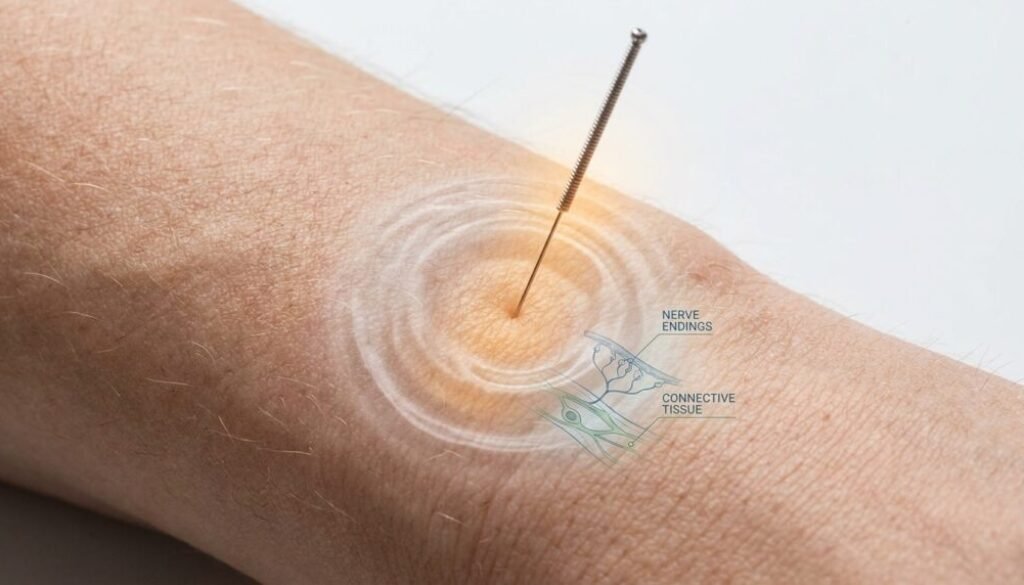
While Traditional Chinese Medicine explains acupuncture through the lens of Qi and meridians, modern science offers complementary explanations for its profound effects on the body. From a Western perspective, acupuncture needles stimulate nerves, muscles, and connective tissue. This stimulation activates a cascade of physiological responses, primarily within the nervous and endocrine systems, which helps explain how acupuncture works to relieve pain and promote healing.
One of the key mechanisms involves the release of natural pain-relieving chemicals. When acupoints are stimulated, the brain and spinal cord are signaled to release endorphins, which are the body’s natural opioids, effectively blocking pain signals. This neurochemical release can provide significant pain relief, often comparable to certain medications, but without the associated side effects. Furthermore, acupuncture has been shown to influence neurotransmitters such as serotonin and norepinephrine, which play crucial roles in mood regulation and pain perception, contributing to its effectiveness in managing conditions like anxiety and depression.
Beyond pain relief, acupuncture also promotes increased blood flow to treated areas, which aids in tissue repair and reduces inflammation. Inflammation is a common underlying factor in many chronic conditions, and by mitigating it, acupuncture can accelerate recovery and alleviate symptoms. For example, studies have indicated that acupuncture can reduce levels of pro-inflammatory cytokines, which are signaling molecules involved in inflammatory responses. According to a review published in the journal Pain, acupuncture’s anti-inflammatory effects are a significant contributor to its efficacy in chronic pain management. An expert recommendation we emphasize at Cross-Up Chiropractic is that while acupuncture is highly effective, it’s not a magic bullet. Combining it with healthy lifestyle changes, like proper nutrition and exercise, dramatically enhances its long-term benefits. A common professional mistake to avoid is treating acupuncture as a standalone solution for complex systemic issues without addressing diet, movement, and stress management.
Understanding Acupoints and Meridian Systems
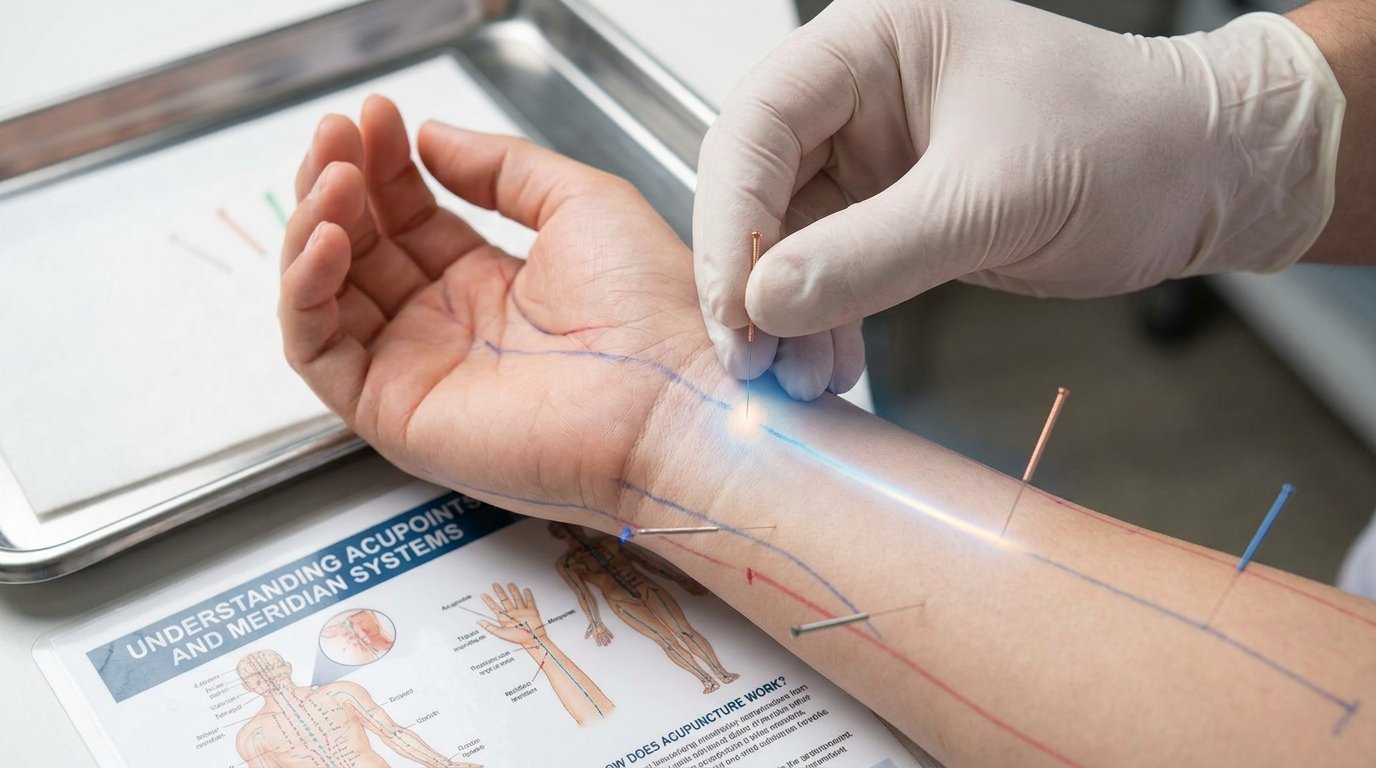
In Traditional Chinese Medicine (TCM), the body is crisscrossed by an intricate network of pathways called meridians, or channels. These meridians are believed to be invisible conduits through which life energy, known as Qi, flows. There are 12 main meridians, each associated with specific organ systems and functions, and numerous collateral vessels. When the flow of Qi becomes blocked or imbalanced, it’s believed to lead to illness, pain, or discomfort. Acupoints are specific locations along these meridians where the Qi is thought to be most accessible. By stimulating these points, an acupuncturist aims to restore the harmonious flow of Qi, thereby promoting health and healing.
Each acupoint has a unique function and is chosen based on the patient’s specific symptoms and diagnosis within the TCM framework. For example, points on the hand might be used to treat headaches, while points on the leg could address digestive issues. The practitioner’s skill lies in diagnosing the imbalance and selecting the appropriate combination of points to restore equilibrium. While Western science doesn’t fully endorse the concept of Qi or meridians in the same way, it acknowledges that these acupoints often correspond to areas with a high density of nerve endings, mast cells, and lymphatic vessels, providing a plausible anatomical basis for their therapeutic effects.
The selection of points is highly individualized. During your initial consultation, an acupuncturist will conduct a thorough assessment, which includes examining your tongue and pulse, asking detailed questions about your health history, and observing your body. This comprehensive diagnostic process, a cornerstone of TCM, guides the practitioner in identifying specific patterns of imbalance. This personalized approach ensures that treatment is tailored to your unique constitution and health concerns, rather than a one-size-fits-all solution. This contrasts with some conventional treatments that might prescribe the same medication for everyone with a similar symptom, highlighting acupuncture’s patient-centered philosophy.
What Is Acupuncture Good For? Common Conditions & Benefits

Acupuncture is not just for pain; its therapeutic reach extends to a diverse array of health conditions, making it a versatile tool in integrative healthcare. The World Health Organization (WHO) recognizes acupuncture as an effective treatment for over 100 conditions, citing its effectiveness for problems ranging from digestive disorders to neurological issues. Here at Cross-Up Chiropractic in Libertyville, we’ve seen firsthand how beneficial it can be for our patients.
One of the most common applications, as discussed, is pain management. This includes:
- Chronic Back and Neck Pain: Many individuals find lasting relief from persistent discomfort.
- Headaches and Migraines: Regular acupuncture sessions can significantly reduce the frequency and intensity of these debilitating conditions.
- Arthritis: It helps manage pain and inflammation associated with various forms of arthritis.
- Sciatica and Neuropathic Pain: By targeting nerve pathways, acupuncture can ease radiating pain and nerve impingement.
- Sports Injuries: From tennis elbow to knee pain, it aids in faster recovery and pain reduction.
Beyond pain, acupuncture is also highly effective for:
- Nausea and Vomiting: Often used as a complementary therapy for chemotherapy-induced nausea or morning sickness.
- Anxiety and Depression: It can help regulate mood and reduce stress by influencing neurotransmitter activity.
- Insomnia: By calming the nervous system, acupuncture can improve sleep quality.
- Digestive Issues: Conditions like irritable bowel syndrome (IBS) often respond well to acupuncture’s regulatory effects on the digestive system.
- Fertility Support: Many couples use acupuncture to enhance fertility, often in conjunction with conventional treatments.
- Allergies: It can help modulate the immune response, reducing symptoms of seasonal allergies.
Traditional Chinese Medicine (TCM) Acupuncture vs. Western Medical Acupuncture
While both forms utilize needles, their underlying theories and approaches differ:
| Feature | Traditional Chinese Medicine (TCM) Acupuncture | Western Medical Acupuncture |
|---|---|---|
| Theoretical Basis | Rooted in ancient Chinese philosophy: Qi, meridians, Yin/Yang, Five Elements. Focuses on restoring energetic balance. | Based on Western anatomical and physiological principles. Focuses on nerve stimulation, endorphin release, and local effects. |
| Diagnosis | Comprehensive diagnosis through pulse reading, tongue examination, observation, and detailed symptom inquiry to identify patterns of disharmony. | Diagnosis based on conventional medical assessment, identifying specific conditions or pain points. |
| Needle Placement | Acupoints selected along meridians, often distant from the site of pain, based on traditional mapping. | Acupoints chosen based on anatomical proximity to nerves, muscles, or trigger points related to the complaint. |
| Practitioners | Licensed acupuncturists with extensive training in TCM theory and practice. | Often performed by medical doctors, chiropractors, or physical therapists with additional training in acupuncture. |
| Goals | Holistic restoration of overall body balance, addressing root causes beyond symptoms. | Primarily focused on pain relief, muscle relaxation, and modulating physiological responses for specific conditions. |
What to Expect During Your Acupuncture Session
If you’re new to acupuncture, knowing what to expect can help ease any apprehension. Your first visit will typically begin with a thorough consultation. Your acupuncturist will discuss your health history, lifestyle, diet, and specific concerns. This initial conversation is vital for them to understand your overall health picture and formulate a personalized treatment plan based on your unique needs. They may also perform a physical examination, which could include observing your tongue and feeling your pulse, according to TCM diagnostic methods.
Once the treatment plan is established, you will lie comfortably on a treatment table. The acupuncturist will then gently insert sterile, hair-thin needles into specific acupoints. You might feel a brief, mild prick as the needle goes in, but many people report feeling little to no pain. After insertion, you may experience a sensation known as “De Qi” (pronounced “duh-chee”), which can manifest as a dull ache, heaviness, tingling, or warmth around the needle site. This sensation is often a sign that the treatment is effectively engaging the body’s energy. The needles are typically left in place for 15 to 30 minutes, during which you can relax. Some practitioners may gently stimulate the needles by twirling them or applying a mild electrical current (electroacupuncture).
After the needles are removed, you might feel deeply relaxed, energized, or even a bit lightheaded. It’s common to experience a sense of calm and well-being. We generally advise patients to take it easy for the rest of the day, avoiding strenuous activities. The frequency of treatments varies depending on your condition’s severity and how your body responds. For acute issues, you might need several sessions close together, while chronic conditions might benefit from weekly or bi-weekly treatments. An average acupuncture session can range from $75 to $150, with packages often offering a slight discount. Some insurance plans now offer partial coverage for acupuncture, so it’s always wise to check with your provider.
To make the most of your acupuncture session:
- Wear comfortable, loose-fitting clothing: This allows the practitioner easy access to various acupoints without needing to change.
- Eat a light meal beforehand: Avoid coming on a completely empty stomach or immediately after a heavy meal, as this can affect your energy levels.
- Avoid caffeine and alcohol: These substances can interfere with your body’s response to the treatment.
- Be prepared to discuss your health openly: The more information you provide, the better your practitioner can tailor the treatment.
- Relax and breathe deeply: Try to clear your mind and allow your body to relax during the session to enhance its effectiveness.
Acupuncture vs. Other Therapies: Finding Your Best Path to Healing

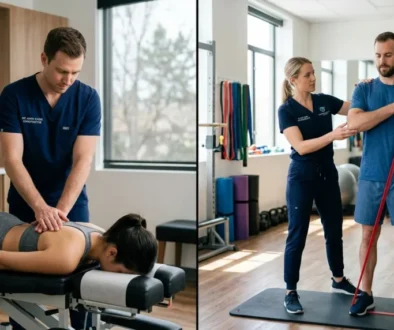
Understanding how acupuncture fits into the broader landscape of holistic health is crucial. While highly effective, acupuncture is often most powerful when integrated with other therapies, especially for complex or chronic conditions. At Cross-Up Chiropractic, we frequently combine acupuncture with chiropractic adjustments and physical therapy because these modalities complement each other synergistically. Chiropractic care focuses on proper spinal alignment and nervous system function, while physical therapy builds strength, flexibility, and proper movement patterns. Acupuncture then enhances pain relief, reduces inflammation, and promotes overall systemic balance, accelerating the healing process initiated by the other therapies.
For example, if you’re dealing with persistent knee pain, chiropractic adjustments might address any pelvic or spinal misalignments contributing to altered gait and stress on the knee. Physical therapy would then focus on strengthening the muscles around the knee and improving joint mobility. Acupuncture, in this scenario, could directly target the knee area to reduce localized inflammation and pain, while also addressing underlying systemic imbalances that might hinder recovery. This multi-faceted approach often yields more comprehensive and lasting results than any single therapy alone. Research published in the journal Spine (2019) indicated that combined therapies, including acupuncture, chiropractic care, and physical therapy, showed superior outcomes for chronic low back pain compared to single modality treatments, with a 35% greater improvement in functional scores over 12 weeks.
When considering which therapy is best for you, think about the nature of your condition. For primarily musculoskeletal issues involving joint mechanics and nerve impingement, chiropractic care is often foundational. For rehabilitation from injury, improving movement, or strengthening weak areas, physical therapy is key. For chronic pain, stress, digestive issues, or when a holistic rebalancing of the body’s systems is needed, acupuncture is an excellent choice. Many patients find that starting with a consultation allows us to develop a customized plan that effectively blends these powerful tools. We believe that true healing comes from addressing the body’s needs comprehensively, not just symptomatically. Understanding the specific benefits of each can help you make an informed decision about your care path.
Expert Insights on Choosing an Acupuncturist in Libertyville
Choosing the right acupuncturist is a critical step towards a successful treatment experience. In Libertyville, IL, like anywhere else, it’s essential to seek out a licensed and experienced professional. A licensed acupuncturist has undergone extensive training, including thousands of hours of education in TCM theory, point location, needling techniques, and safety protocols. This ensures they have the necessary expertise to provide effective and safe care. Always verify their credentials and ensure they are licensed by the state board, which indicates they meet established standards of practice.
Beyond licensing, look for a practitioner who adopts an integrated approach, especially if you are also receiving other forms of care like chiropractic adjustments or physical therapy. A collaborative practitioner can work in tandem with your other providers, creating a cohesive treatment strategy that maximizes your healing potential. For instance, at Cross-Up Chiropractic, our team understands how acupuncture complements spinal adjustments and rehabilitative exercises, allowing for a more comprehensive and efficient recovery process. It’s also important to consider the clinic environment and the practitioner’s communication style; you want to feel comfortable and confident in your treatment.
Cost considerations are also part of the decision. While the average cost per session can vary, inquire about package deals or payment plans if you anticipate needing multiple treatments. As mentioned, individual sessions typically range from $75 to $150. Many clinics, including ours, offer initial consultations at a reduced rate or as part of a package. Remember to check with your health insurance provider regarding coverage for acupuncture. Some plans cover a certain number of sessions per year, especially when prescribed for specific conditions. Don’t be afraid to ask questions about the practitioner’s experience, their approach, and what you can realistically expect from treatment. Just as the frequency of chiropractic visits depends on individual factors, so too does the optimal schedule for acupuncture, and a good practitioner will outline this clearly for you.
FAQ
What does acupuncture feel like?
Most people describe acupuncture as a sensation of mild pressure, tingling, or a dull ache when the needles are inserted, rather than sharp pain. The needles are extremely thin, much finer than those used for injections, and many individuals find the overall experience relaxing, often falling asleep during treatment.
How many acupuncture sessions are usually needed?
The number of sessions varies greatly depending on the individual and the condition being treated. Acute issues might resolve in a few sessions (3-6), while chronic conditions often require a longer course of treatment, possibly 8-12 sessions or ongoing maintenance, typically once a week or every other week.
Is acupuncture covered by insurance?
Insurance coverage for acupuncture has become more common, especially for conditions like chronic pain. However, coverage varies widely between providers and specific plans. It is always best to contact your insurance company directly to inquire about your benefits, including any referral requirements or limits on the number of sessions.
Can children receive acupuncture?
Yes, acupuncture is safe for children and can be used to treat various pediatric conditions, including digestive issues, allergies, and anxiety. Practitioners use very gentle techniques, and sometimes non-needle methods like acupressure or laser acupuncture are preferred for younger children, making it a comfortable experience.
What is the difference between acupuncture and dry needling?
While both involve thin needles, acupuncture is rooted in Traditional Chinese Medicine, focusing on meridians and energy flow to treat systemic imbalances and a wide range of conditions. Dry needling, based on Western medical principles, targets myofascial trigger points in muscles to alleviate localized muscle pain and dysfunction, primarily as part of physical therapy.
Are there any side effects to acupuncture?
Acupuncture is generally very safe with minimal side effects when performed by a licensed practitioner using sterile, single-use needles. Minor side effects might include slight bruising or soreness at the needle site, mild bleeding, or temporary dizziness. Serious complications like infection are extremely rare.