

How Often Should You Get Acupuncture?
Understanding how often you should receive acupuncture treatments can feel a bit like solving a puzzle, as the ideal frequency isn’t a one-size-fits-all answer. For acute pain or new conditions, we generally recommend starting with a more intensive schedule of two to three sessions per week for two to four weeks. This initial phase helps establish a strong therapeutic effect and can quickly reduce inflammation and pain. If you’re managing a chronic condition, such as persistent back pain or long-term stress, a slightly less frequent approach of one to two sessions weekly for six to eight weeks often yields the best results, allowing your body to adapt and heal over time. Once significant improvement is achieved, many patients transition to a maintenance schedule of bi-weekly or monthly sessions to sustain their wellness. The most crucial factor in determining your personal treatment plan is your body’s unique response to acupuncture, your specific health goals, and consistent communication with your licensed practitioner here in Libertyville, IL, who can adjust the frequency as your condition evolves.
Key Takeaways
- Acute conditions often require more frequent sessions initially: Expect 2-3 treatments per week for 2-4 weeks to address new pain or sudden issues.
- Chronic issues benefit from a steady, moderate pace: Typically 1-2 sessions weekly for 6-8 weeks helps manage long-standing conditions.
- Individual response dictates the ultimate schedule: Your body’s reaction and progress are key; treatment plans are dynamic.
- Maintenance is vital for sustained wellness: Many opt for bi-weekly or monthly sessions to prevent symptom recurrence and support overall health.
- Consultation with a licensed acupuncturist is essential: A professional can assess your needs and tailor a safe, effective treatment plan.
Understanding Your Acupuncture Treatment Schedule
Determining the right frequency for acupuncture treatments is highly personalized and depends on several factors specific to your health and goals. Just as no two individuals are exactly alike, no two treatment plans will be identical. When you begin acupuncture, your practitioner considers the nature of your condition, its severity, and how your body responds to the initial treatments. For instance, someone dealing with a sudden, sharp injury might need a different approach than someone managing chronic migraines that have been present for years.
Acupuncture works by stimulating specific points on your body to help restore balance and promote natural healing processes. The cumulative effect of sessions is often more significant than single treatments. Think of it like going to the gym: consistent, regular workouts yield better results than sporadic visits. This principle applies strongly to acupuncture, especially in the initial phases where the goal is to build therapeutic momentum.
An expert recommendation we often share is to approach acupuncture with an open mind and a commitment to the process. Many people come in hoping for an instant fix, but for lasting relief and deep healing, consistency is truly key. A common professional mistake to avoid is discontinuing treatment prematurely simply because symptoms have lessened after a few sessions. While initial relief is common, the underlying imbalances that led to the symptoms may still need further attention to prevent recurrence. A good acupuncturist will guide you through this process, ensuring you understand the rationale behind your recommended schedule and adjusting it as your body responds.
How Often Should You Do Acupuncture? Typical Frequency by Condition
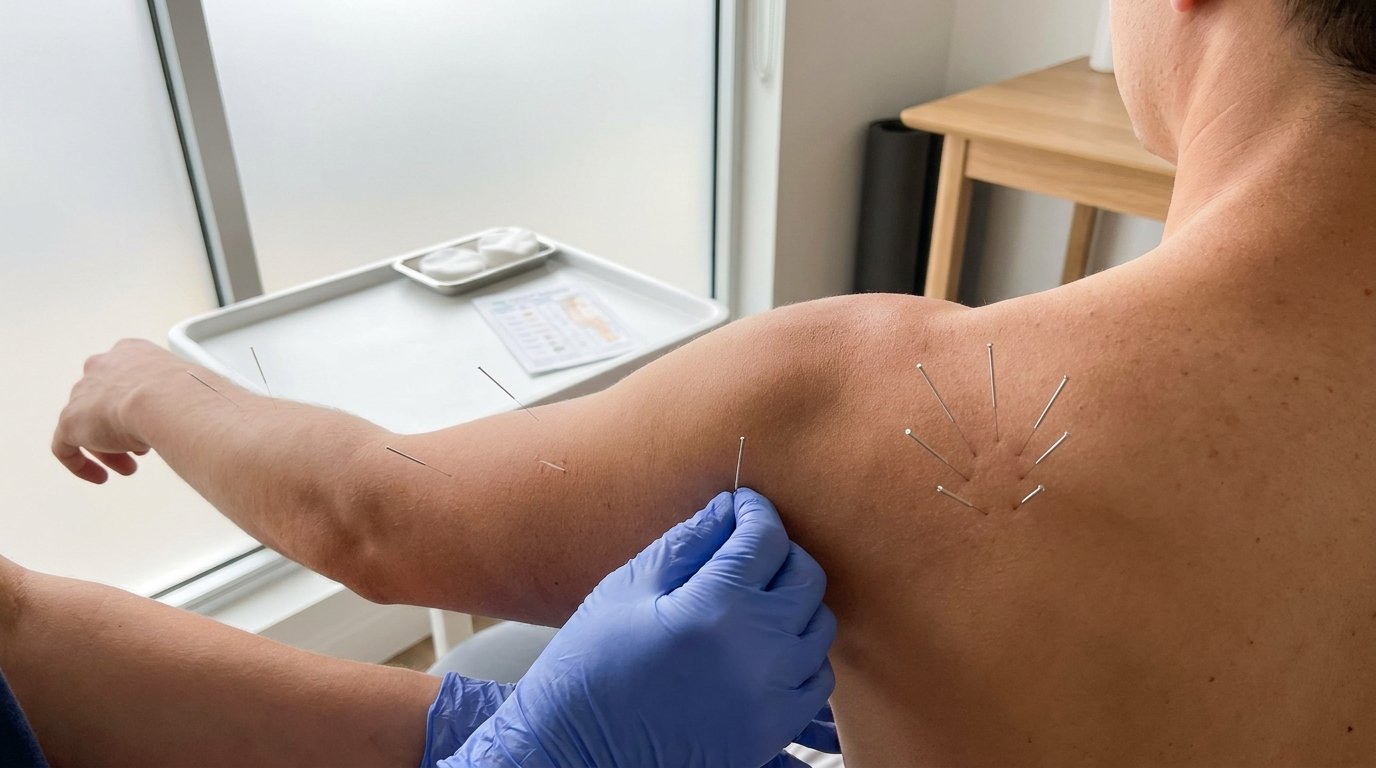
The number of acupuncture sessions you need often varies significantly based on the specific health condition you are addressing. While individual responses differ, there are general guidelines that licensed acupuncturists often follow to achieve the most effective outcomes. These guidelines are built upon decades of clinical experience and research, helping to tailor treatment plans for various ailments.
For example, if you are seeking pain management for an acute issue like a recent muscle strain or whiplash from an auto accident, your practitioner might recommend starting with 3 sessions per week for the first week or two. This more intensive initial phase aims to quickly reduce inflammation, alleviate pain, and kickstart the healing process. As your symptoms improve, the frequency would then be tapered down to once or twice a week.
In contrast, chronic conditions such as fibromyalgia, long-term digestive issues like IBS, or persistent stress and anxiety often require a more sustained, yet less frequent, approach. For these types of concerns, an initial phase of 1-2 sessions per week for 6-8 weeks is common. This allows the body ample time to respond to the stimulation, rebalance its systems, and develop a more stable state of wellness. Following this, many individuals transition to a maintenance schedule to prevent symptom flare-ups and support overall health. According to a meta-analysis published in the journal Pain in 2018, acupuncture was found to be more effective than sham acupuncture or no acupuncture for chronic pain, with optimal effects often observed after a course of 10-12 sessions over several weeks.
When considering acupuncture for fertility support, the timing and frequency can be highly specific, often aligning with a woman’s menstrual cycle or in conjunction with IVF treatments. This might involve sessions twice a week for several cycles, with adjustments made based on hormonal responses and treatment goals. For conditions like headaches or migraines, the initial frequency might be once a week for 6-8 weeks, moving to monthly preventative sessions once relief is established. Each condition necessitates a nuanced approach, emphasizing why a thorough consultation with your practitioner is so vital.
| Condition Type | Initial Frequency | Typical Duration | Maintenance Frequency (Optional) |
|---|---|---|---|
| Acute Pain (e.g., recent injury, sudden stiffness) | 2-3 times per week | 2-4 weeks | As needed, or occasionally for prevention |
| Chronic Pain (e.g., long-term back pain, arthritis) | 1-2 times per week | 6-8 weeks | Monthly or bi-monthly |
| Stress, Anxiety, Sleep Issues | 1 time per week | 4-6 weeks | Monthly or seasonally |
| Digestive Disorders (e.g., IBS, chronic indigestion) | 1-2 times per week | 6-10 weeks | Monthly |
| Fertility Support / Women’s Health | 1-2 times per week (cycle-dependent) | Several cycles (3-6+ months) | Varies based on progress, potentially through pregnancy |
The Initial Phase: Building Momentum
The initial phase of your acupuncture treatment is critical for establishing a therapeutic foundation. During this period, your sessions are typically more frequent because the goal is to create a cumulative effect, gently yet persistently guiding your body towards balance. Think of it as jump-starting a battery; it needs a consistent charge to get going. For acute issues, this might mean coming in two or three times a week. This higher frequency helps to consistently stimulate the body’s natural healing mechanisms, addressing inflammation and pain pathways more effectively.
During these first few weeks, you might start noticing subtle shifts: perhaps your pain lessens slightly, your sleep improves, or your stress levels feel more manageable. These early responses are important indicators for your practitioner, helping them gauge your unique response to treatment. This allows them to make informed adjustments to your specific point selection or even the frequency of your next appointments. The consistency in this phase is what truly allows the body to begin its healing process, moving beyond temporary symptom relief to addressing underlying imbalances.
Transitioning to Maintenance: Sustaining Wellness
Once your primary symptoms have significantly improved, and you’ve achieved your initial health goals, the focus shifts to a maintenance phase. This doesn’t mean stopping treatment entirely, but rather reducing the frequency to sustain the benefits you’ve gained and prevent symptom recurrence. A typical transition might involve moving from weekly sessions to bi-weekly, then to monthly, or even seasonally, depending on your individual needs and lifestyle.
Maintenance acupuncture can be incredibly beneficial for overall wellness, acting as a preventative measure. It helps to keep your body’s energy flowing smoothly, manages stress before it becomes overwhelming, and supports your immune system. Many patients find that these regular “tune-ups” help them feel more balanced, energetic, and resilient in their daily lives. It’s a proactive approach to health, rather than just a reactive one, similar to how you might get regular check-ups with your primary care physician to maintain good health. According to the National Center for Complementary and Integrative Health (NCCIH), ongoing research supports acupuncture’s role in maintaining well-being for various chronic conditions, highlighting the value of sustained, preventative care.
What to Expect During Your Acupuncture Journey

Embarking on an acupuncture journey involves more than just a series of needle insertions; it’s a holistic process aimed at improving your overall well-being. When you visit our clinic in Libertyville, IL, your first session will typically involve a comprehensive consultation where your practitioner will discuss your health history, current symptoms, lifestyle, and health goals. This detailed assessment helps them create a personalized treatment plan tailored precisely to your needs. The cost for initial consultations can range from $120-$200, while follow-up sessions generally cost between $75-$150, with packages often available at a reduced rate per session.
During an actual treatment, very thin, sterile needles are gently inserted into specific acupuncture points on your body. Most people feel little to no pain during insertion, often describing a mild tingling, dull ache, or sensation of pressure. Needles usually remain in place for 20-30 minutes while you relax. Your practitioner will monitor your comfort and response throughout the session. It’s common to feel deeply relaxed or even fall asleep during treatment, and many report a sense of calm and clarity afterwards.
To maximize the benefits of your acupuncture treatments and ensure a smooth experience, consider these practical tips:
- Communicate openly with your practitioner: Share any changes in symptoms, new concerns, or discomfort during a session. Your feedback is vital for adjusting your treatment plan.
- Stay hydrated: Drinking plenty of water before and after your session can support your body’s detoxification and healing processes.
- Eat a light meal: Avoid coming to your appointment on an empty stomach or immediately after a heavy meal. A light snack a couple of hours beforehand is ideal.
- Wear comfortable clothing: Loose-fitting attire allows easy access to various acupuncture points without needing to fully disrobe.
- Relax and breathe: Embrace the relaxation period during your session. Deep breathing can enhance the treatment’s effectiveness and help you feel more comfortable.
- Avoid strenuous activity immediately after: While you can typically resume normal activities, give your body a little time to integrate the treatment effects.
A common professional mistake we see is patients not fully communicating their progress or any concerns they might have between sessions. This hinders the practitioner’s ability to fine-tune the treatment plan for optimal results. Your active participation and honest feedback are just as important as the treatments themselves.
When is it Too Much or Not Enough Acupuncture?

Finding the right balance in your acupuncture treatment frequency is crucial. While acupuncture is generally considered very safe, knowing the signs of both over-treatment and insufficient treatment can help you and your practitioner ensure you’re on the optimal path. The goal is always to provide just enough stimulation to encourage healing without overwhelming your system.
If you’re receiving too much acupuncture, your body might start to exhibit certain subtle signs. These can include increased fatigue or lethargy, feeling emotionally drained or overly sensitive, or even experiencing a worsening of symptoms without any clear explanation. Some individuals might report feeling “too stimulated” or restless. For example, if you typically feel energized after a session but suddenly start feeling unusually tired for days afterward, it might be a sign that the frequency needs adjustment. Your body is a complex system, and sometimes less is truly more when it comes to therapeutic interventions. It’s akin to over-exercising; instead of building strength, you might experience burnout or injury.
Conversely, if you’re not getting enough acupuncture, you might notice that your symptoms are not improving as expected, or they might even regress between sessions. You might feel a brief relief immediately after a treatment, but the effects fade quickly, leaving you with the same discomfort you started with. This indicates that your body isn’t receiving enough consistent stimulation to create a lasting change. For chronic conditions, especially, an insufficient number of sessions often leads to frustration and a perception that acupuncture isn’t working, when in fact, the dosage simply isn’t adequate. The World Health Organization (WHO) has recognized acupuncture’s efficacy for over 100 conditions, emphasizing that the therapeutic effect is often cumulative and requires a consistent treatment course to achieve significant, lasting results.
The key here is open communication with your acupuncturist. They are trained to interpret your body’s signals and adjust your treatment plan accordingly. Don’t hesitate to share any observations about how you feel after treatments or between sessions. Your practitioner can then modify the frequency, the specific points used, or even the technique to better suit your body’s current needs, ensuring you receive the most effective and comfortable care possible.
Combining Acupuncture with Other Therapies for Optimal Results
Acupuncture, while powerful on its own, often works synergistically when combined with other complementary therapies. At Cross-Up Chiropractic in Libertyville, IL, we believe in a holistic approach to wellness, which frequently involves integrating various modalities to achieve the best possible outcomes for our patients. This integrated approach addresses multiple facets of your health, leading to more comprehensive and lasting relief. For instance, combining acupuncture with chiropractic adjustments can be incredibly effective for musculoskeletal pain. While acupuncture addresses soft tissue pain, inflammation, and nerve issues, chiropractic care focuses on spinal alignment and nervous system function. This dual approach can reduce pain faster and promote more complete healing, especially for conditions like back pain, sciatica, or neck pain.
Another highly beneficial combination is acupuncture with physical therapy. Physical therapy helps to strengthen muscles, improve range of motion, and correct postural imbalances, while acupuncture can alleviate the pain and inflammation that might hinder participation in physical therapy exercises. This makes it easier for you to perform the necessary movements and progress more quickly through your rehabilitation. For athletes or individuals recovering from injuries, integrating acupuncture into a sports medicine program can accelerate recovery, reduce muscle soreness, and enhance overall performance. Acupuncture supports blood flow to injured areas and promotes tissue repair, complementing the strengthening and conditioning aspects of sports physical therapy.
Furthermore, incorporating dietary and nutritional guidance with acupuncture can significantly impact conditions related to digestion, weight management, or chronic inflammation. Acupuncture can help regulate digestive function and metabolism, while a tailored diet provides the body with the necessary building blocks for healing and optimal function. For example, if you’re experiencing chronic fatigue or certain autoimmune conditions, acupuncture coupled with specific nutritional protocols can support your body’s energy production and immune response more effectively than either therapy alone. This comprehensive strategy ensures that both internal and external factors contributing to your health are addressed, leading to more robust and sustainable wellness. The effectiveness of combined therapies is echoed by studies, such as one published in the Journal of Alternative and Complementary Medicine, which found that patients receiving both acupuncture and conventional therapy for chronic low back pain experienced greater pain reduction and functional improvement compared to those receiving conventional therapy alone.
FAQ
What is the typical length of a single acupuncture session?
A standard acupuncture session usually lasts between 45 to 60 minutes. This includes a brief check-in, the insertion of needles, a resting period of 20-30 minutes with the needles in place, and then their removal. The initial consultation for your first visit may take longer, typically 60-90 minutes, to allow for a comprehensive health assessment.
How quickly will I notice results from acupuncture?
The speed at which you notice results from acupuncture can vary widely. Some people experience immediate relief after their first session, especially for acute pain. For others, particularly those with chronic conditions, it may take several sessions before significant improvements are observed. Consistency with your treatment plan is key to seeing lasting changes.
Is acupuncture painful?
Most people find acupuncture to be a comfortable experience with minimal to no pain. The needles used are extremely thin, often compared to the width of a human hair, much finer than those used for injections. You might feel a brief pinch upon insertion, followed by a sensation of pressure, dull ache, or tingling, which indicates the activation of the acupuncture point.
Can I get acupuncture if I’m taking medication?
Yes, acupuncture is generally safe to receive while taking most medications. It’s crucial, however, to inform your licensed acupuncturist about all medications, supplements, and medical conditions during your initial consultation. This information helps them tailor a safe and effective treatment plan that complements your existing healthcare regimen.
How does acupuncture work?
Acupuncture is based on the principles of Traditional Chinese Medicine, which proposes that energy, or “Qi” (pronounced “chee”), flows through pathways in the body called meridians. When this flow is disrupted, illness or pain can occur. Acupuncture works by inserting fine needles into specific points along these meridians to restore the balanced flow of Qi, thereby promoting the body’s natural healing abilities and reducing symptoms.
What should I do after an acupuncture session?
After an acupuncture session, it’s generally recommended to rest and avoid strenuous activities for a few hours to allow your body to integrate the treatment. Drink plenty of water to aid in detoxification and continue to observe how you feel, noting any changes in symptoms or energy levels. Communicate these observations to your practitioner at your next visit.