

Can Nutrition Help With Sports Injury Recovery? What to Eat While Healing
For acute muscle tears and tendon strains, prioritize a high-protein intake of 1.6 to 2.2 grams per kilogram of body weight alongside 1,500 to 3,000 mg of omega-3 fatty acids daily to preserve lean tissue and reduce excess inflammation. For joint and ligament damage, pair 10 to 15 grams of hydrolyzed collagen peptides with 50 to 100 mg of Vitamin C roughly one hour before physical therapy sessions to accelerate collagen synthesis. Matching your caloric intake to your modified daily energy expenditure—rather than drastically slashing calories—prevents rapid muscle loss and anabolic resistance. Combining targeted nutrition for sports injury recovery with structured physical care ensures damaged tissues rebuild with structural integrity while keeping body composition stable during periodized rest.
Key Takeaways
- Elevate dietary protein to 1.6–2.2 g/kg of body weight to prevent disuse muscle atrophy during immobilic recovery phases.
- Pair collagen peptides (10–15g) with Vitamin C 30–60 minutes before targeted rehabilitation exercises to rebuild dense connective tissue.
- Avoid restrictive low-calorie diets, as acute tissue healing can increase your basal metabolic rate by 15% to 50%.
- Incorporate anti-inflammatory EPA and DHA omega-3 fatty acids to modulate chronic swelling without shutting down necessary healing signals.
- Combine proper dietary fueling with professional clinical support like sports medicine care to expedite your complete recovery timeline.
The Three Biological Phases of Healing and Their Nutritional Demands
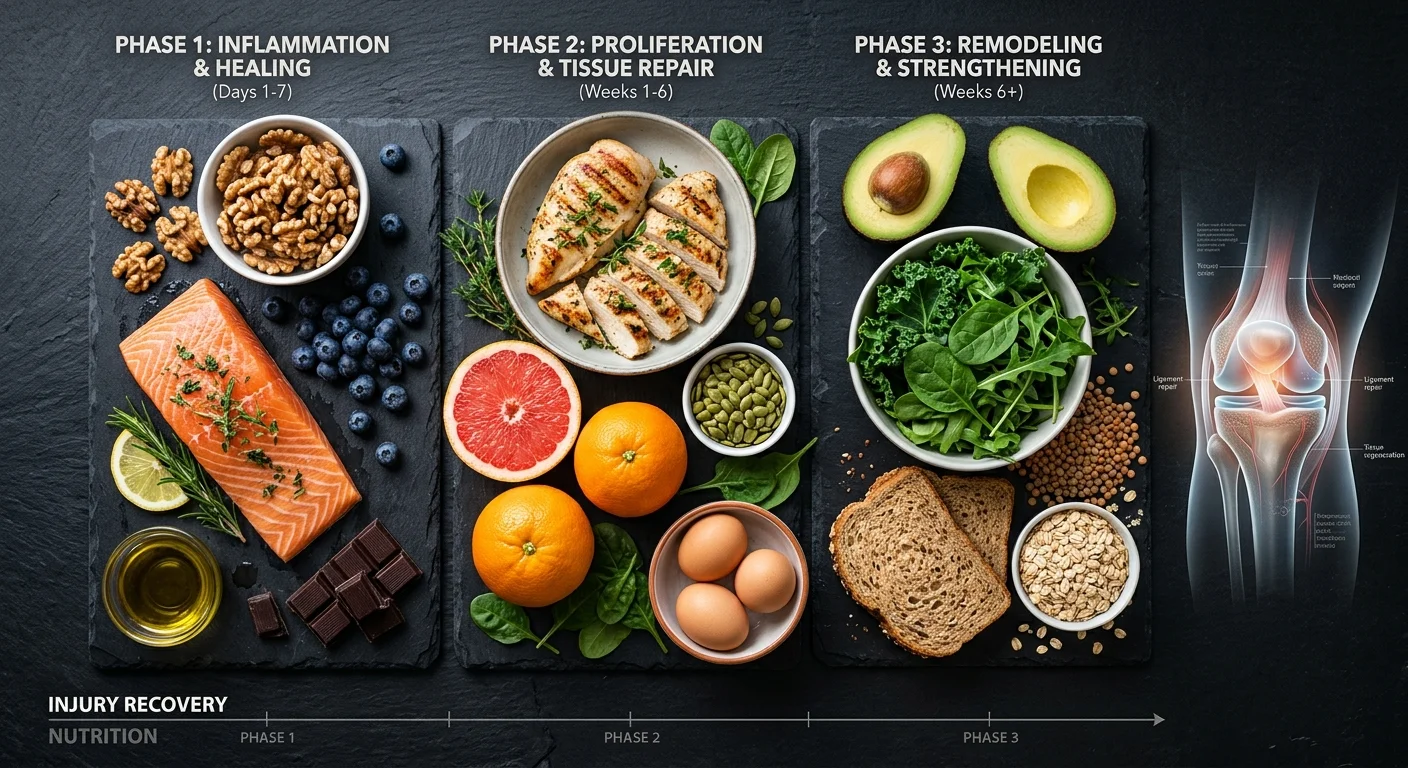
Systemic recovery occurs through three distinct biological stages: inflammation, proliferation, and remodeling. Each phase presents unique metabolic demands requiring specific dietary adjustments to ensure optimal tissue remodeling. Interrupting or under-fueling any of these stages can cause persistent scar tissue formation, prolonged joint instability, and delayed return-to-play timelines.
Phase one begins immediately upon injury and lasts between three and seven days. During this acute inflammatory window, the immune system mobilizes neutrophils and macrophages to clear damaged cellular debris. While excessive swelling causes pain, suppressing inflammation entirely with heavy anti-inflammatory medications can impair tissue repair. Nutrition during this initial window should focus on anti-inflammatory whole foods, adequate hydration, and moderate calorie intake to support immune activity without inducing systemic stress.
Phase two spans from week one to week six, marked by rapid cell proliferation and matrix deposition. Fibroblasts lay down initial Type III collagen, creating new blood vessels and connective frameworks. Protein requirements surge during this window because amino acids serve as the primary structural bricks for cellular reconstruction. According to a Nutrients Journal Study on Rehabilitation Nutrition, immobilized limbs lose muscle tissue at a rate of 0.5% per day, accumulating a total loss of 150 to 400 grams of muscle mass within just two weeks. High-protein distribution across all daily meals is essential during this proliferation window to counteract rapid disuse atrophy.
Phase three extends from week six through several months or up to a year. During remodeling, fragile Type III collagen converts into stronger, highly aligned Type I collagen along lines of mechanical stress. Micronutrients like zinc, copper, and vitamin C act as necessary enzymatic cofactors to cross-link these collagen fibers. Skimping on nutrition during phase three leaves healed tissue brittle and susceptible to re-injury upon returning to intense training loads.
Best Foods for Injury Recovery: Optimizing Your Daily Plate
Constructing an effective meal plan requires choosing dense whole foods rich in biological signals that stimulate repair. Relying solely on processed convenience foods often introduces excessive refined omega-6 oils and simple sugars, which can heighten chronic inflammation and impede muscle protein synthesis.
Selecting the best foods for injury recovery means prioritizing nutrient density across every meal. Lean poultry, wild-caught fish, eggs, grass-fed beef, and dairy products provide complete amino acid profiles rich in leucine. Plant-based athletes can achieve full amino acid coverage by combining tofu, tempeh, lentils, quinoa, and isolated pea protein powders. Combining proper nutrition with integrated therapies, as detailed in our guide on how chiropractic care and physical therapy work together, gives your body the best environment to repair structural damage.
- Anchor every main meal with a complete protein source: Aim for 30 to 45 grams of high-leucine protein per serving to trigger muscle building pathways despite low daily physical activity levels.
- Add colorful anti-inflammatory produce: Fill half your plate with deeply colored berries, dark leafy greens, cruciferous vegetables, and tart cherries to combat oxidative stress.
- Integrate healthy essential fats: Add extra virgin olive oil, avocados, chia seeds, walnuts, and wild salmon to supply raw building blocks for cell membranes.
- Include complex unrefined carbohydrates: Eat oats, sweet potatoes, brown rice, and legumes to maintain muscle glycogen stores without causing sharp blood sugar spikes.
Hydration is another critical yet frequently overlooked factor in cellular healing. Water transports essential nutrients to avascular zones, such as joint cartilage and tendon bodies, while carrying away metabolic waste. Aim for a minimum of 35 to 40 milliliters of water per kilogram of body weight daily, adjusting upward if you undergo thermal therapy or active rehabilitation sessions.
Targeted Ligament Recovery Food and Tendon Synthesis
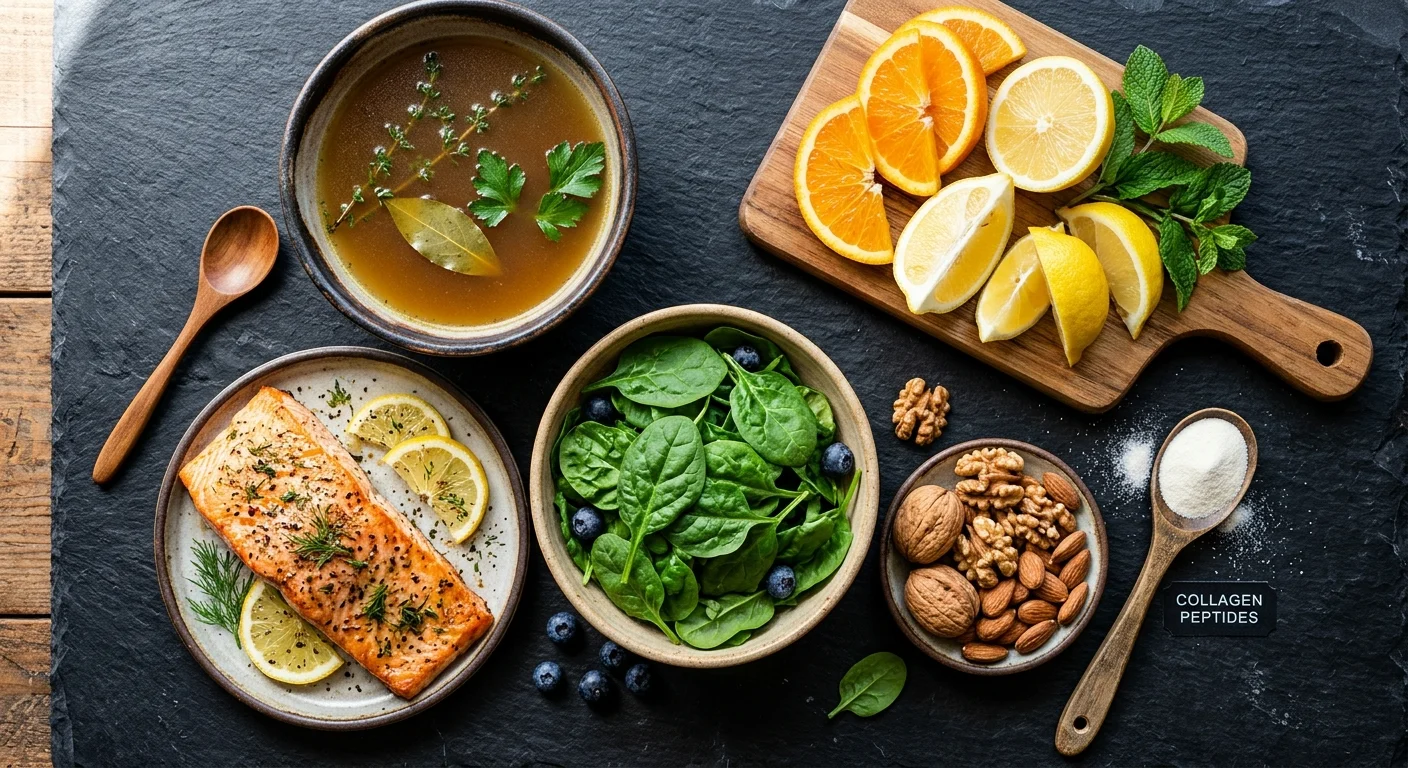
Ligaments and tendons possess poor vascularity compared to skeletal muscle, receiving significantly less direct blood flow. Consequently, delivering healing nutrients into connective matrices requires strategic nutrient timing matched with mechanical loading. Specific ligament recovery food protocols center around providing matrix substrates right before physical stress applied during physical therapy.
Collagen is the dominant structural protein found in tendons, ligaments, and joint cartilage. Supplementing with 10 to 15 grams of hydrolyzed collagen peptides or gelatin combined with 50 to 100 mg of Vitamin C approximately 30 to 60 minutes before rehabilitation exercises increases amino acid concentration in blood vessels surrounding joint capsules. As blood pumps into dense connective tissue during movement, these circulating precursor amino acids—proline, glycine, and hydroxyproline—integrate directly into repairing tissues.
Research published by the British Journal of Sports Medicine demonstrates that pre-exercise collagen and vitamin C supplementation doubles collagen synthesis markers in targeted connective tissues compared to placebo groups. Beyond supplemental peptides, bone broth, chicken skin, and fish matrix foods supply natural glycosaminoglycans like chondroitin sulfate and hyaluronic acid, which help retain fluid inside cartilage matrices and maintain joint cushioning.
Magnesium and copper also play crucial supporting roles in building structural integrity. Copper fuels lysyl oxidase, an enzyme responsible for forming strong covalent bonds between adjacent collagen fibrils. Excellent whole-food sources of copper and magnesium include pumpkin seeds, dark chocolate (85%+ cacao), cashews, shellfish, and sesame seeds.
Caloric Balance and Preventing Muscle Loss During Inactivity
A frequent mistake injured athletes make is aggressively restricting food intake to avoid gaining body fat while forced into sedentary routines. While overall energy expenditure drops due to missing daily athletic training, the biological cost of tissue rebuilding actually raises baseline caloric needs.
A study in Exercise and Sport Sciences Reviews highlights that healing severe tissue injuries or recovering from major orthopaedic surgeries elevates an athlete’s basal metabolic rate by 15% to 50% above normal resting levels. Dropping calories too low forces the liver to synthesize glucose via gluconeogenesis, breaking down precious skeletal muscle tissue for fuel and slowing down structural repair.
Calculating what to eat for injury recovery involves establishing a slight caloric maintenance level or minimal deficit while dramatically elevating dietary protein proportion. Distribute your total protein intake evenly across four to five discrete feeding windows every three to four hours. This steady amino acid delivery mitigates anabolic resistance, a state where immobilized muscle becomes less responsive to normal circulating protein signals.
Budgeting for high-quality protein sources and targeted dietary supplements can range from modest to premium. Expect standard monthly costs of $30 to $70 for high-purity whey or plant protein powders, $20 to $50 for hydrolyzed collagen peptides, and $15 to $40 for high-concentration fish oils. Investing in personalized advice through nutritionist consultation services generally ranges between $120 and $250 per session, offering tailored macronutrient targets adapted precisely to your injury phase.
Comparing Recovery Nutrients: Key Compounds and Their Roles
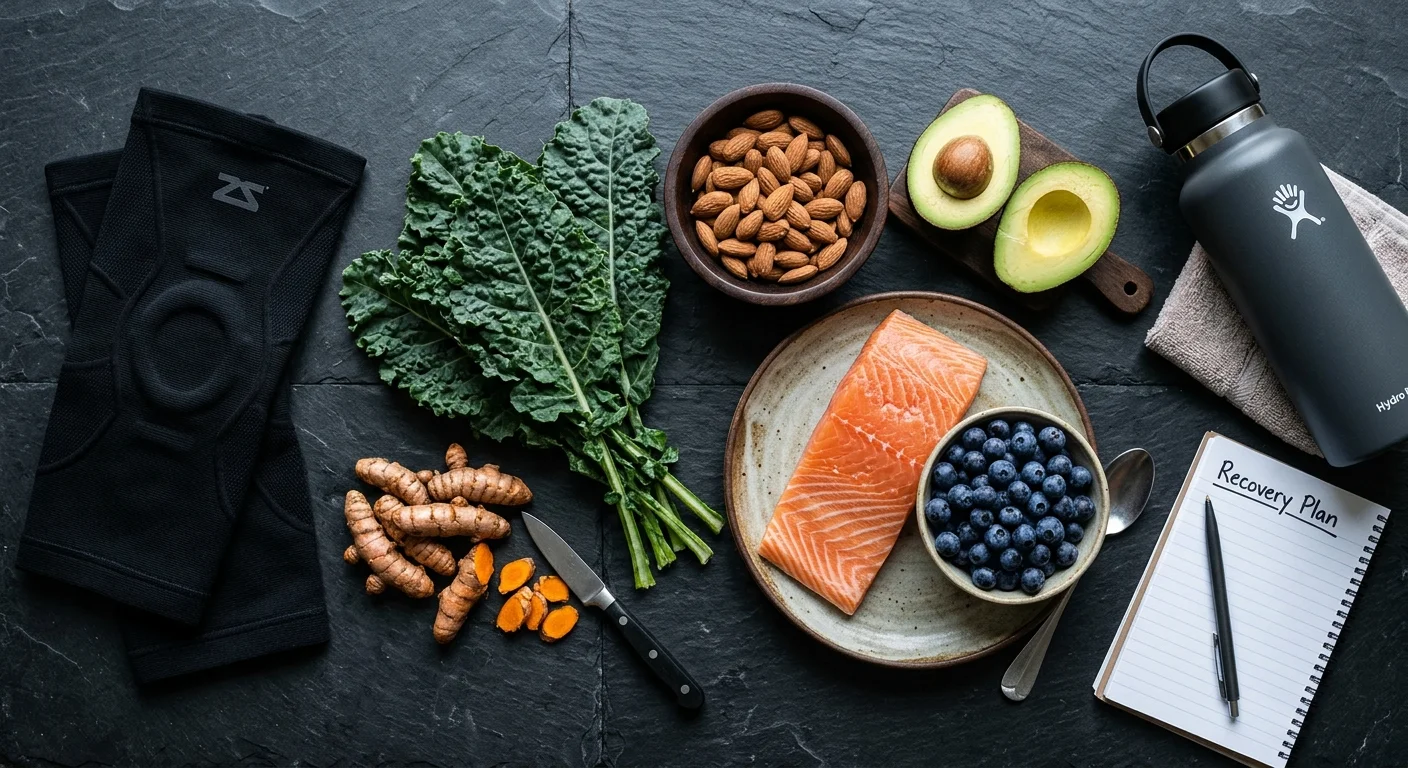
Navigating dietary choices and supplement aisles can quickly become overwhelming. The table below outlines core nutritional compounds, their biological mechanisms, common whole-food sources, targeted daily amounts, and typical monthly cost ranges for supplementation.
| Nutrient / Compound | Primary Whole-Food Sources | Targeted Benefit in Recovery | Recommended Daily Amount | Est. Monthly Cost Range |
|---|---|---|---|---|
| Essential Amino Acids & Leucine | Eggs, whey protein, chicken breast, Greek yogurt, tofu | Stimulates muscle protein synthesis and stops disuse atrophy | 1.6 – 2.2 g/kg of body weight | $30 – $70 |
| Hydrolyzed Collagen Peptides | Bone broth, chicken skin, targeted peptide powders | Enhances tendon/ligament collagen cross-linking and strength | 10 – 15 g (with 50-100mg Vitamin C) | $20 – $50 |
| Omega-3 Fatty Acids (EPA & DHA) | Wild salmon, sardines, mackerel, algal oil, fish oil capsules | Modulates acute swelling and improves anabolic sensitivity | 2,000 – 3,000 mg combined EPA/DHA | $15 – $40 |
| Zinc & Vitamin C | Citrus fruits, bell peppers, oysters, pumpkin seeds | Accelerates tissue cell division and collagen synthesis enzymes | 15-30mg Zinc / 500-1000mg Vitamin C | $10 – $25 |
| Vitamin D3 & Calcium | Fortified dairy, egg yolks, sunlight exposure, sardines | Supports bone fracture healing and skeletal muscle function | 2,000 – 5,000 IU D3 (based on bloodwork) | $10 – $20 |
Common Nutritional Mistakes to Avoid When Recovering from an Injury
Failing to adapt your daily eating strategy can subtly prolong your rehabilitation window and leave you vulnerable to re-injury. Identifying typical pitfalls allows you to make proactive adjustments that protect your muscle mass, bone density, and overall joint mechanics.
One primary clinical mistake is relying heavily on ultra-processed comfort foods during long periods of forced rest. High intake of refined sugars and industrial trans-fats increases systemic inflammation and disrupts normal gut microbiome function. Poor gut health diminishes nutrient absorption, ensuring that even if you take vitamins, your body struggles to transport those compounds to injured tissues.
Another major error involves completely eliminating carbohydrates. While reducing refined sugars is smart, healthy complex carbohydrates fuel immune cellular activity and keep cortisol levels in check. High cortisol levels accelerate muscle breakdown and impair structural tissue repair. Maintain a moderate carbohydrate intake around sweet potatoes, oats, berries, and whole grains to keep resting thyroid and thyroid-adrenal hormone pathways performing smoothly.
Additionally, overusing non-steroidal anti-inflammatory drugs (NSAIDs) for extended periods can blunt the necessary initial inflammatory signaling needed for soft tissue bone remodeling. Relying instead on natural dietary modulators—such as turmeric, tart cherry juice, and omega-3 fats—helps manage discomfort without inhibiting primary cellular matrix deposition. Understanding how long healing takes, as outlined in our analysis on what to expect during physical recovery, keeps your long-term expectations grounded while your diet works behind the scenes.
FAQ
What is the single best food to eat for sports injury recovery?
No single food cures an injury, but high-leucine protein sources like eggs, lean beef, salmon, and Greek yogurt are critical. They provide the complete amino acid building blocks required to stimulate tissue repair and block rapid muscle disuse atrophy.
How many calories should I consume while injured and unable to exercise?
You should generally eat at your baseline maintenance energy expenditure levels rather than aggressively cutting calories. Healing acute tissue damage elevates your basal metabolic rate by 15% to 50%, meaning dramatic energy deficits will cause severe muscle loss and slow healing.
Which supplements speed up tendon and ligament healing?
Hydrolyzed collagen peptides (10–15g) paired with Vitamin C (50–100mg) taken 30 to 60 minutes prior to physical therapy sessions have been shown to accelerate collagen matrix synthesis. High-dose omega-3 fatty acids and zinc also play essential secondary support roles.
When should I start changing my diet after a sports injury?
Adjust your nutritional habits immediately following an acute injury or surgery. Phase one inflammation begins within minutes of trauma, making early protein distribution, hydration, and anti-inflammatory fat intake critical right from day one.
Can cutting out carbohydrates slow down muscle and tissue recovery?
Yes, eliminating carbohydrates entirely elevates stress hormones like cortisol, which promotes skeletal muscle breakdown and impairs collagen deposition. Consuming moderate amounts of complex carbohydrates supports immune function and maintains energy for physical therapy.
Is collagen supplement beneficial for joint tissue recovery?
Yes, targeted collagen supplementation delivers concentrated proline, glycine, and hydroxyproline directly into joint capsules and tendon sheaths. When combined with timed exercise, it enhances tissue tensile strength and reduces long-term joint pain.