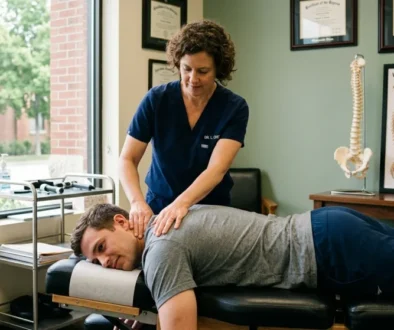

How Often Should You Get a Massage?
Massage is more than a way to relax. It’s actually a practical tool for managing pain, easing muscle tension, and keeping stress from overwhelming you. But how often you should go depends entirely on you: your health goals, your daily life, and what your body is dealing with right now. So, how often can you get a massage?
What Factors Affect How Often You Should Get a Massage?
- Physical activity level. People who train regularly put more strain on their muscles and connective tissue. The more intense your workouts, the more frequently your body benefits from manual therapy to recover faster.
- Stress levels. Chronic stress shows up in the body as tight shoulders, headaches, and sleep issues. If you’re going through a demanding stretch at work or in life, more frequent sessions help keep that excessive physical tension from building up too much.
- Health conditions or injuries. Recovering from an injury or managing a condition like sciatica or chronic back pain usually requires a schedule created by your provider. In these cases, massage may be a good addition to such a plan, not just a standalone appointment.
- Overall wellness goals. Someone using massage to maintain general health has different needs than someone working through post-surgical issues or athletic recovery. That said, your goal is important in determining how often you need to visit massage sessions.
- Budget. Regular massage is an investment, and it’s worth being honest about what’s sustainable. A consistent monthly session will do more for you in the long run than random, impulsive visits whenever you remember to book. Just like with most treatments, consistency is key.

How Often Should You Get a Massage Based on Your Goals?
Someone managing chronic pain has different needs than someone coming in for stress relief. The frequency and types of massage are based on what you need and what you’re going through. So, how often should you get a massage?
For Stress Relief and Relaxation
For general stress management, once or twice a month is enough for most people. If you’re going through a particularly demanding period, increasing it to a weekly massage for a few weeks can help. Swedish massage is the most common choice here because it’s gentle, full-body, and designed to calm the nervous system. Aromatherapy massage is another option if you want to get more relaxation. Regular sessions do more than occasional ones.
For Chronic Pain Management
Chronic pain requires more frequent sessions, at least in the beginning. Bi-weekly appointments are common during the initial phase, transferring to once a month as symptoms improve. Deep tissue massage is the most widely used approach. Trigger point therapy is another effective option for pain that goes beyond the initial point or concentrates in specific spots. It’s worth coordinating with your chiropractor Lybertiville, or doctor to create a proper schedule.
For Injury Recovery
During active recovery, weekly or even twice-weekly sessions are the best choice, depending on the injury and your stage of recovery. Sports massage is commonly used here since it targets the specific muscles involved and helps restore proper movement. Myofascial release is another useful technique for breaking up scar tissue. Massage frequency is determined by your provider, as overdoing it may do more harm than good.
For Athletic Performance and Sports Recovery
Athletes benefit from massage both before and after training. Weekly sessions work well if you’re going through heavy training. Once or twice a month is usually enough in the off-season. Sports massage is the obvious fit. Deep tissue work helps with tension before it becomes a problem. Some athletes also use assisted stretching alongside massage.
For Better Sleep
If poor sleep is caused by stress or muscle tension, even one session can make a difference. For sustained results, twice a month is a reasonable choice. Swedish massage is the most effective choice here because it uses slow, rhythmic strokes to lower cortisol and help relax your body. Craniosacral therapy is worth considering if the sleep issues run deeper, since it works on the nervous system rather than just muscles.
For General Health and Well-being
If you’re not treating anything and just need maintenance sessions, once a month is a standard recommendation for most people. It keeps muscle tension from getting too bad and supports blood circulation. Swedish massage is the best choice for general wellness, though many people also add some deeper work depending on what’s going on at that time.
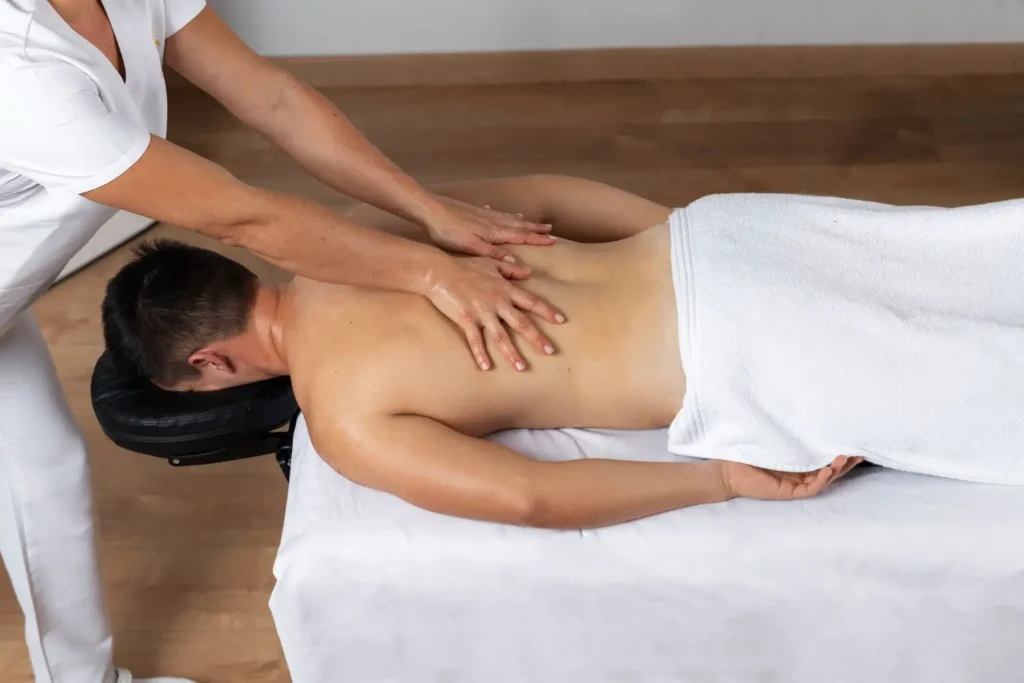
How Often Should You Get a Full Body Massage?
A full body massage covers a lot in one session, but proper spacing is important. Once a month works well. If you’re dealing with bigger issues like a lot of stress or severe muscle tension, every two to three weeks is better.
Going too frequently without a specific therapeutic reason can overstimulate the tissue and actually leave you feeling worse. When in doubt, start with monthly and adjust based on how you feel after the appointment.
Benefits of Getting Regular Massages
- Reduced muscle tension and pain. Muscles tighten up over time from daily activity, stress, or training. Regular massage helps with this tension before it becomes harder to treat.
- Improved circulation. Massage helps blood move more effectively through muscle tissue, which helps your body deliver nutrients. The practical result is less soreness and faster recovery.
- Lower stress and anxiety. Massage lowers cortisol and triggers the release of feel-good hormones like serotonin and dopamine. It produces real changes in how your nervous system responds to stress.
- Better sleep quality. Less tension and stress hormones make it easier to fall asleep and stay asleep.
- Enhanced flexibility and range of motion. Tight muscles and stiff fascia restrict how freely your joints move. Massage keeps that tissue loose, which becomes more important the more active you are or the older you get.
- Support for injury recovery and prevention. Massage speeds up tissue recovery and helps catch issues early, before they turn into actual injuries.
Signs You Might Need More Frequent Massages
Your body usually gives clear signals when your current schedule isn’t appropriate. If any of the following sound familiar, it’s worth booking more often:
- Muscle tension or pain that’s constant, not occasional
- Trouble falling or staying asleep
- Frequent headaches, especially tension headaches around the neck and shoulders
- Stiffness or problems during movement that doesn’t improve on its own
- Stress that feels chronic and isn’t responding to your usual coping strategies
None of these means something is seriously wrong, but they do mean your body is going through more than it can handle on its own. Consult your provider, and consider increasing the frequency. No one says it must stay this way forever, but even a temporary increase can be very useful.

When to Talk to a Professional About Massage Frequency
The best way to figure out the right frequency is to ask a professional. A massage therapist, chiropractor, or physician can assess your specific situation and provide a schedule that would work best.
This is especially important if you have a chronic condition, an injury, or you’re recovering from surgery. But massage works best when it’s part of a bigger plan, not just a random appointment. At Cross-Up Chiropractic, massage therapy may be coordinated with chiropractic massage care and other treatments so everything you’re doing works together to deliver better results.
Conclusion
How often you get a massage matters less than sticking to a schedule. It’s not about how often should you get a massage, but more about the consistency of appointments. Once a month works for most people. More often, if you’re recovering or dealing with chronic pain. Either way, regular sessions beat occasional ones every time. Not sure where to start and what type of massage you need? The team at Cross-Up Chiropractic can point you in the right direction.
FAQs About Massage Frequency
How often should you get a massage for the first time?
If you’ve never had a massage before, like ever, start with a single session and see how your body reacts. From there, once a month is a reasonable beginning.
Is it OK to get a massage every week?
Weekly massage is fine if you have a specific reason for it, like injury recovery, heavy training, or dealing with a lot of stress. For general health, it’s more than most people need, but it won’t cause harm as long as your body is responding well.
How often should you get a full body massage?
Once a month is the standard for most people. If you’re dealing with tension or stress, every 2 to 3 weeks is a good choice.
How many massages per week is too many?
For most people, more than two sessions a week is excessive without a strong therapeutic reason. Over-massaging can irritate tissue and leave you feeling worse, not better.
Can massage therapy be combined with chiropractic care?
Yes! These two work well together. Massage relaxes the surrounding muscle tissue, which makes chiropractic adjustments more effective.
How do I know if I’m getting massages too frequently?
If you’re feeling worse after some time has passed since the session than before, you’re likely going too often. Lower the frequency and give your body more time to respond and recover properly.